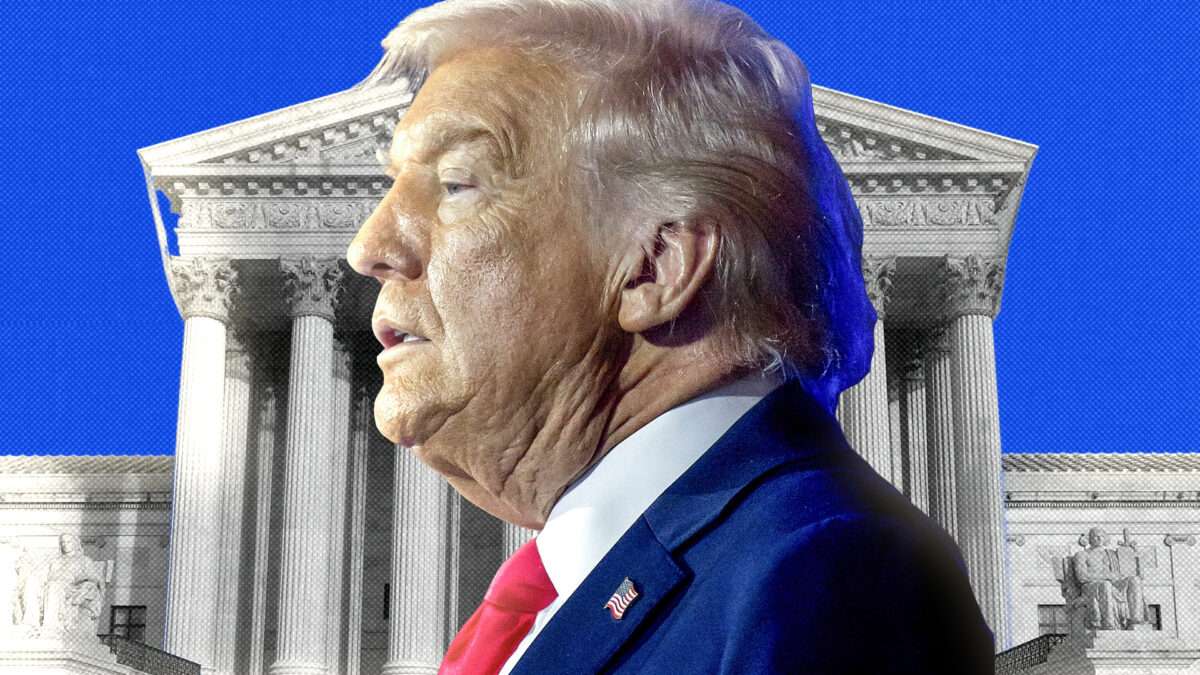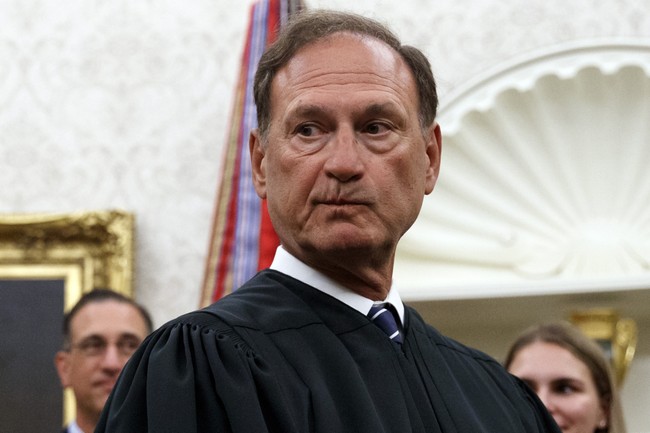
Alito Says He Will Remain on Supreme Court for Now
Alito, 76, informed acquaintances after the election results became clear that he had no intention of leaving the Supreme Court right away. Last month, he said he planned to stay through the court’s current term, which runs until June, regardless of the election outcome. He has not publicly indicated that his plans have changed.
Democrats’ Senate victories mean Republicans are expected to lose control of the chamber in January. That narrows the opportunity for Trump to nominate and secure confirmation of another Supreme Court justice during his remaining time in office. The prospect of Alito or Justice Clarence Thomas retiring before that shift had fueled speculation, but Thomas has given no public indication he plans to step down.
Cornell law professor Michael Dorf said a retirement in the coming months, without an acute health crisis, would appear overtly political. Thomas, 78, has previously said he intends to serve at least 43 years on the court, which would mean several more years on the bench. While a Supreme Court vacancy may not arise during the Senate’s lame-duck session, lower-court nominations remain before senators, including nominees for appeals courts in the Fifth, Eighth and Tenth Circuits. Republicans have until the new Congress takes office to act on them.
Alito’s Decision Leaves Trump’s Supreme Court Window Closing
Alito’s decision to remain on the Supreme Court leaves Trump with little time to seek another conservative appointment before Democrats take control of the Senate in January. The 76-year-old justice indicated to his associates that he plans to stay on for now, despite the election outcome.
Alito had said last month that he planned to stay through the court’s term, which ends in June. Thomas, 78, has given no public sign that he intends to leave, either. The prospect of a vacancy before the Senate changes hands had prompted speculation, but a retirement now would carry an unmistakable political appearance, Cornell law professor Michael Dorf said.
The stakes extend beyond one appointment: a Supreme Court vacancy could give Trump an opportunity to add another justice, while the incoming Senate’s control will shape what nominations can advance. Republicans still have a lame-duck session in which to consider lower-court nominees, including candidates for appeals courts in the Fifth, Eighth and Tenth Circuits. Their remaining window for those lifetime appointments is short.
Alito Stays, Leaving GOP Senators a Final Chance on Judges
Alito will remain on the Supreme Court for now, ending speculation that he might step down before Democrats take control of the Senate in January. The 76-year-old justice said the election outcome did not alter his plans; last month, he said he would stay through the court’s term, which runs until June.
That removes the prospect of a near-term Supreme Court nomination for Trump, but it does not make the Senate’s remaining work unimportant. Lower-court nominees are still pending, including candidates for the Fifth, Eighth and Tenth Circuit appeals courts. A judicial appointment can shape the courts long after the current political moment has passed, making the lame-duck session a consequential chance for Republicans to act.
Thomas, 78, has not publicly indicated that he plans to retire and has previously said he intends to serve at least 43 years on the court. Cornell law professor Michael Dorf said a retirement in the next several months, absent an acute health crisis, would look overtly political. Republicans now face a narrower opportunity to confirm the lower-court nominees before the new Congress begins.
Reported by Hot Air, Reason, The Daily Beast, Daily Mail US, The Daily Wire, PJ Media, Fox News, The Boston Globe.