Weiser Signals Possible Changes to Colorado Sports Ballot Measure
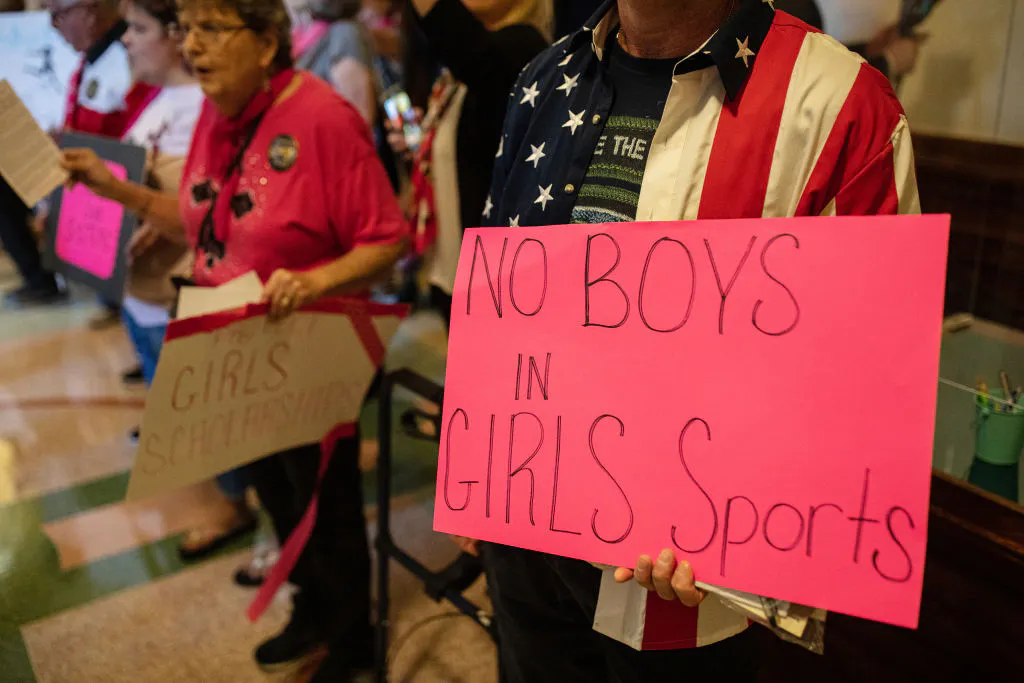
Weiser said legislators would examine whether changes were needed to Proposition 134, which would classify school sports squads from grade school through university as male, female or coeducational. It would bar male students from female teams, while allowing female students onto male teams when no equivalent female team was available. Mixed-gender squads would continue admitting every student.
With votes still being counted, Proposition 134 had 52.66% support and 47.34% opposition in unofficial results updated November 5, 2026. The measure was listed as too close to call. It was put forward as a statute, not a constitutional amendment.
Weiser raised concerns that enforcing the measure could lead to invasive checks of athletes’ bodies. The proposal does not specify how schools must verify athletes’ sex; Colorado’s voter guide says schools and districts would set their own procedures. The guide also says it is unclear how the measure would interact with the state’s existing law protecting gender identity.
Supporters, including the group that led the campaign, say sex-based team rules would protect girls’ safety and competitive opportunities. Weiser said statutory ballot measures may be reviewed by the legislature for needed adjustments, but did not identify specific changes.
His remarks also addressed Proposition 135, another measure limiting operations designed to change minors’ biological sex traits. Both measures were ahead in the count when he spoke. Weiser had beaten Republican candidate Victor Marx in the governor’s race, and Democrats secured supermajorities in both legislative chambers, giving them substantial influence over any legislative response.
Weiser Leaves Room to Fix a Restrictive Sports Measure
Colorado’s incoming governor is signaling that the legislature can respond to Proposition 134 with more than a simple yes-or-no choice. Weiser said lawmakers should examine what adjustments might be appropriate, citing the risk that enforcement could subject every student athlete to invasive checks.
The measure would sort school teams from elementary through college into male, female or coeducational categories, barring male students from female teams. It does not prescribe a method for verifying sex, and the state voter guide says schools and districts would decide their own procedures. The guide also flags uncertainty about how the proposal would fit with Colorado’s existing protections for gender identity.
The measure’s supporters say it is necessary for girls’ safety and fair competition. But those aims do not resolve the practical questions about privacy and the interaction with current law that remain around the proposal. Weiser said statutory initiatives can be reviewed and adjusted by lawmakers, without specifying what changes he would support.
Proposition 134 had 52.66% support and 47.34% opposition in unofficial results updated November 5, 2026, and was still too close to call. Weiser also addressed Proposition 135, which would restrict certain surgeries for minors. Democrats’ supermajorities in both legislative chambers give them significant influence over any response.
Colorado Voters Back Girls’ Sports Measure, Weiser Signals Revisions
Colorado voters were narrowly backing Proposition 134 as incoming Democratic Gov. Phil Weiser raised the possibility of legislative changes. The proposal would reserve female school teams for female students, while allowing female students to play on male teams if no equivalent female team exists.
Supporters say sex-based eligibility protects girls’ safety and competitive opportunities. Yet Weiser pointed to privacy concerns about how the policy might be enforced and said legislators could review statutory ballot measures for adjustments. The measure itself does not require a specific verification process: schools and districts would determine their procedures.
That leaves an important question for lawmakers: how to carry out the voter-approved rules without imposing intrusive checks. The state’s voter guide also says the measure’s relationship to Colorado’s existing gender-identity protections is unclear. Weiser did not say what specific revisions he would pursue.
Unofficial returns updated November 5, 2026 showed 52.66% support and 47.34% opposition, with the measure still too close to call. Proposition 135, another measure limiting certain surgeries for minors, was also leading when Weiser spoke. Democrats won commanding majorities in both legislative chambers, giving the party substantial sway over any changes.
Reported by Hot Air, Fox News.