Three Senate winners make historic firsts
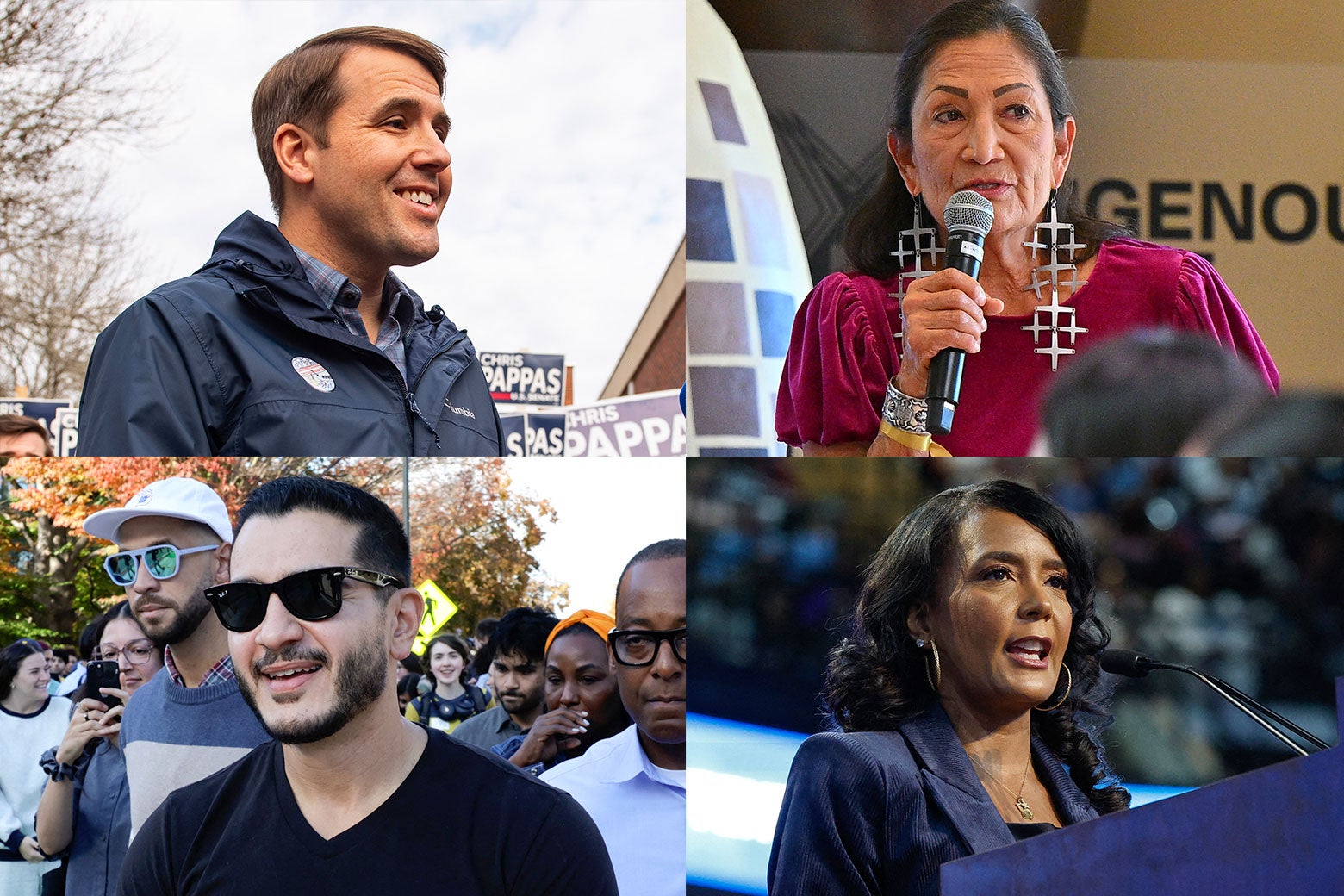
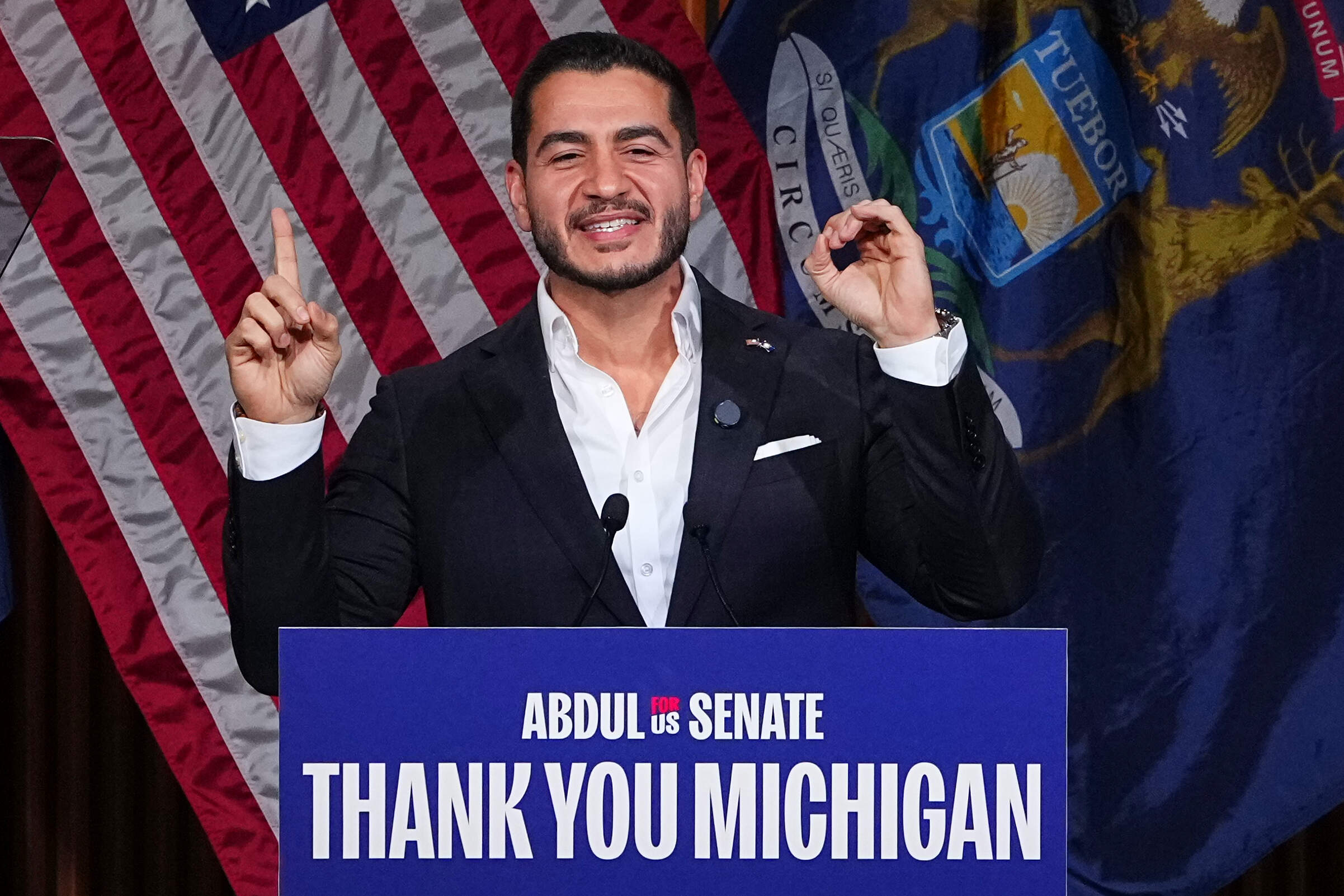
The November 3 midterm elections sent three candidates to the U.S. Senate whose victories mark firsts for the chamber. Abdul El-Sayed of Michigan will be the Senate’s first Muslim member, Peggy Flanagan of Minnesota its first Native American woman, and Chris Pappas of New Hampshire its first openly gay male member.
The wins span three states and distinct milestones in representation. El-Sayed, Flanagan and Pappas each made history with their election, bringing people from groups not previously represented in those ways in the Senate into the chamber.
Analysts said voters were looking for affordability, efforts to curb corruption and candidates unaffiliated with established political circles. Those themes offer one explanation for the election outcomes alongside the historic significance of the three victories.
The results establish who will hold the Senate seats in Michigan, Minnesota and New Hampshire. The election’s firsts will be part of the new Senate’s makeup when the winners take their places.
Senate gains historic representation in three states
Voters in three states chose Senate winners whose victories widen representation in a chamber that has not included these firsts. Michigan’s Abdul El-Sayed will be the first Muslim senator, Minnesota’s Peggy Flanagan the first Native American woman senator, and New Hampshire’s Chris Pappas the first openly gay male senator.
The results are significant not only as personal milestones but as changes in who will be represented in the Senate. All three candidates made history on November 3, adding distinct perspectives to a chamber where their communities have not previously been represented in these ways.
Analysts identified affordability, measures to fight corruption and candidates who stand apart from established politics as priorities for voters. The victories show those concerns alongside the importance of representation in this election.
El-Sayed, Flanagan and Pappas will take their places in the Senate as the winners of their states’ midterm contests. Their election makes three historic firsts part of the chamber’s next lineup.
Voters reward outsider messages and historic Senate winners
The midterms delivered a clear message about what voters wanted: affordability, anti-corruption appeals and candidates outside the mainstream, analysts said. In Michigan, Minnesota and New Hampshire, voters also sent three candidates to the Senate who will make history.
Abdul El-Sayed will become the Senate’s first Muslim member; Peggy Flanagan will be its first Native American woman, and Chris Pappas its first openly gay male member. Their victories represent milestones for the chamber, but the election results also reflect the issues and outsider messages analysts said voters sought.
These outcomes matter because Senate elections are decided by voters in each state, and the three winners now bring those messages and their historic firsts into the chamber. The contests offer a reminder that candidates can make a mark by speaking to affordability and corruption concerns as well as by breaking barriers.
El-Sayed, Flanagan and Pappas won their seats on November 3. They will join the Senate as the first members to hold each of these distinctions.
Reported by WBUR, CBS Chicago.