Midterms Could Bring Historic Firsts to Governorships and Senate
On November 3, 2026, voters across the country could send a record number of women and candidates from historically underrepresented groups into state and federal office, creating a wave of political firsts in the midterms.
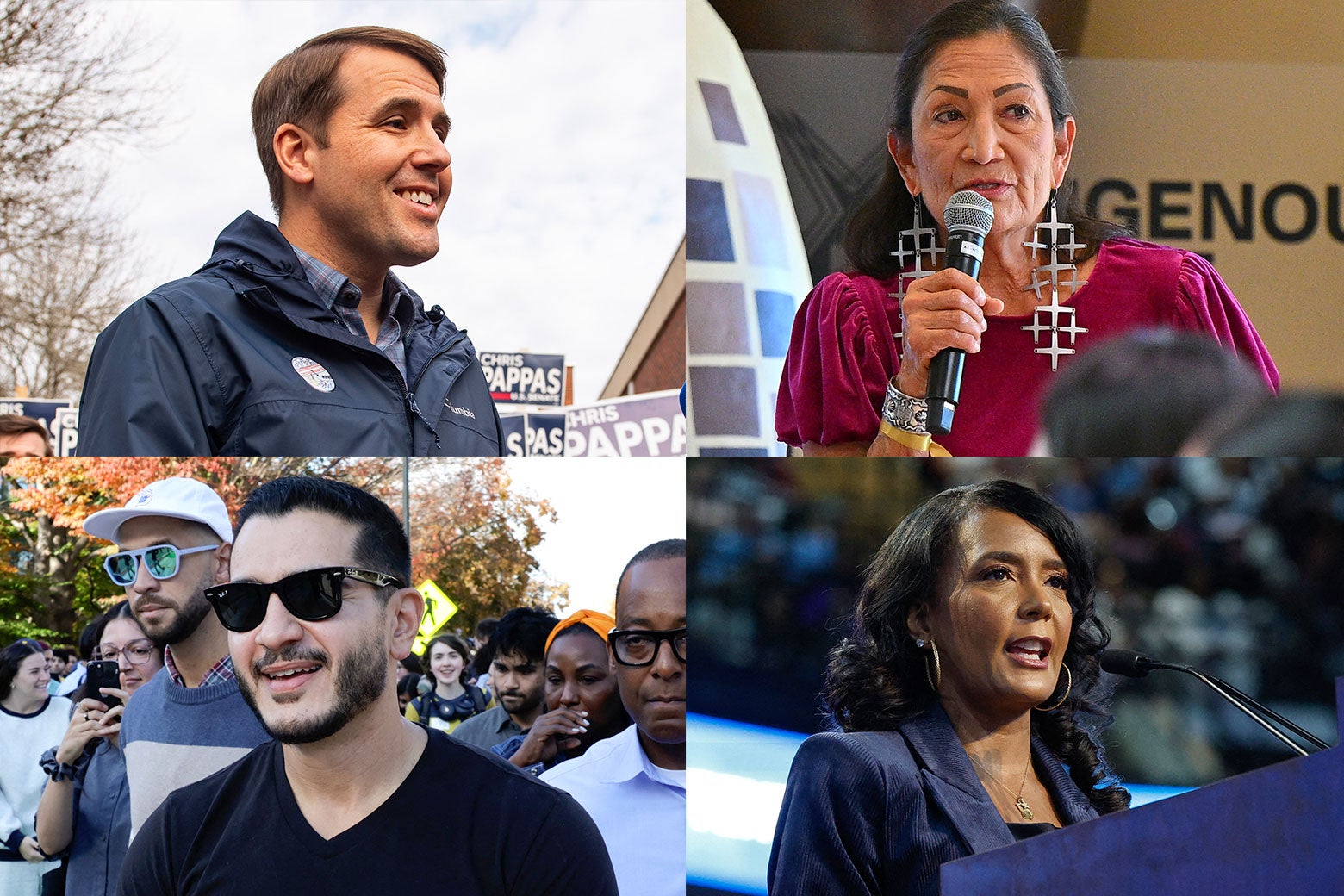
In New Mexico, Democrat Deb Haaland is seeking to become the first Native American woman governor, facing Republican former mayor Gregg Hull. Alaska Democrat Mary Peltola and Minnesota Democrat Peggy Flanagan could become the first Native women elected to the Senate. Flanagan faces Republican Michele Tafoya, who would become the first Latina Republican senator if elected.
Georgia Democrat Keisha Lance Bottoms and Minnesota Republican Lisa Demuth could each become the first Black woman governor. Bottoms is challenging Republican Rick Jackson in Georgia; Demuth faces Minnesota Sen. Amy Klobuchar. Minnesota is set to elect its first woman governor. Maryland Gov. Wes Moore, the state's sole sitting Black governor, is expected to secure another term, while Black candidates could win governor's races in Florida, Wisconsin, Nevada, South Carolina and Michigan.
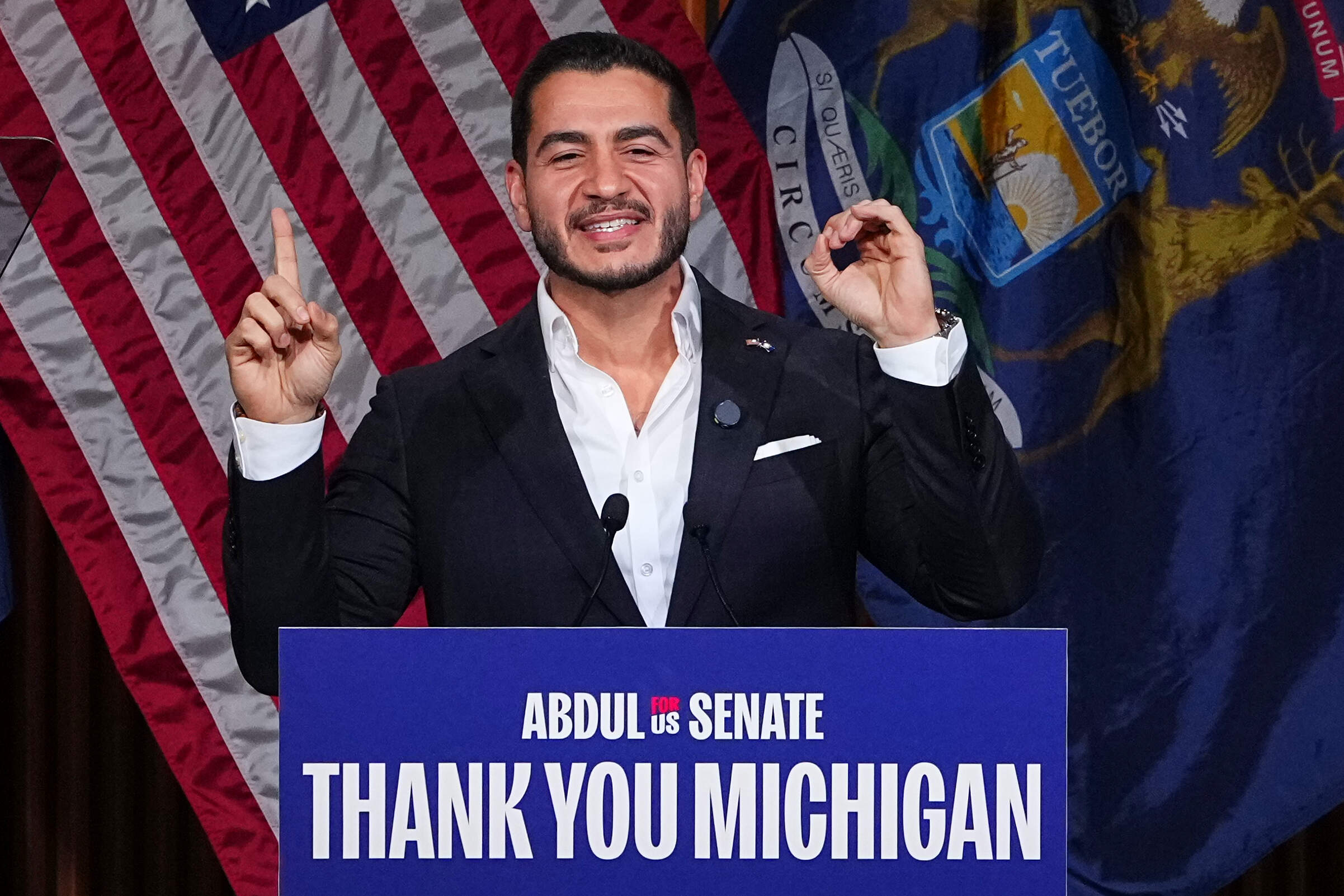
Michigan Democrat Abdul El-Sayed could become the first Muslim American senator, but must defeat Republican Mike Rogers in a close race. In New Hampshire, Democratic Rep. Chris Pappas could become the first openly gay U.S. senator if he defeats former Republican senator John E. Sununu.
Some candidates have not made their identities the focus of their campaigns. Pappas has said he is not running to make history. Advocates for civic engagement say the possible breakthroughs reflect years of organizing and a changing electorate. The results will show which milestones voters make real.
Voters Could Break Barriers Across Government in Midterms
On November 3, 2026, voters have a chance to deliver long-overdue representation in statehouses and the U.S. Senate. The midterms feature candidates who could become the first Native American woman governor, the first Black woman governor, the first Muslim senator and the first openly gay senator.
Democrat Deb Haaland could make history in New Mexico, while Mary Peltola in Alaska and Peggy Flanagan in Minnesota could become the first Native women senators. In Georgia, Keisha Lance Bottoms could become the first Black woman governor—and the state's first governor of color. Minnesota is certain to elect its first woman governor, with Democrat Amy Klobuchar and Republican Lisa Demuth competing.
Michigan Democrat Abdul El-Sayed could become the first Muslim American senator, despite attacks that his supporters have denounced as Islamophobic or racist. New Hampshire Democrat Chris Pappas could become the first openly gay senator. His campaign has not centered on that distinction, but the possible milestone matters in a government that has rarely reflected the country’s diversity.
The possible breakthroughs are not automatic: voters decide the outcomes. Advocates say they are the result of sustained organizing by people of color and LGBTQ+ communities. The breadth of these races underscores the stakes of participation and whether more communities will have a place in political leadership.
Midterms Put Historic Wins Within Reach for Republicans Too
On November 3, 2026, voters could make history across the country—and the potential breakthroughs are not limited to Democrats. Republican candidates are also in races that could put women and people of color in top offices for the first time.
In Minnesota, Republican Lisa Demuth could become the first Black woman governor, while the state is assured of electing its first woman governor. Republican Michele Tafoya could become the first Latina Republican in the Senate if she defeats Democrat Peggy Flanagan. In Georgia, Republican Rick Jackson faces Democrat Keisha Lance Bottoms in a race that could produce the state's first governor of color.
Other possible milestones include Democrat Deb Haaland becoming the first Native American woman governor, and Native women Mary Peltola or Flanagan winning Senate seats. Democrat Abdul El-Sayed could become the first Muslim American senator, and New Hampshire Democrat Chris Pappas could become the first openly gay senator.
The contests are elections, not guaranteed outcomes. Some candidates have chosen not to foreground the historic nature of their identities; Pappas has said he is not running to make history. Voters will determine whether these potential firsts become real, including whether Republicans make breakthroughs of their own.
Reported by KTVU FOX 2, The Philadelphia Inquirer, FOX 10 Phoenix, WSVN 7News, WXYZ Detroit.