El-Sayed’s Victory Speech Brings Arabic Into Senate Politics
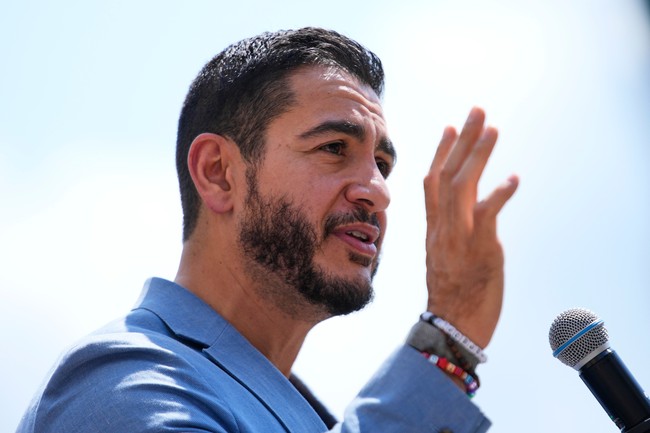
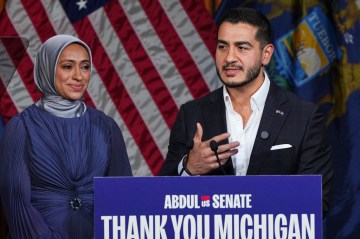
Abdul El-Sayed’s win in Michigan’s Senate race has drawn celebrations from Arabs in the United States and the Middle East, where many have welcomed his use of Arabic in a major American political speech. He is set to become the first Muslim American senator, and his victory speech leaned into his Egyptian heritage and faith after a campaign marked by Islamophobic attacks.
El-Sayed addressed Vice President JD Vance as “habibi,” an Arabic term of affection that can mean beloved, buddy or pal. He joked that Vance would be constitutionally required to swear him in in January. El-Sayed also said his campaign’s use of “inshallah,” or God willing, had given way to “hamdulillah,” meaning thank God.
The speech prompted a wave of humorous posts and videos, including Egyptian music and film clips shared in celebration. An Egyptian academic praised the word “habibi” and thanked El-Sayed for bringing joy to Egyptians.
El-Sayed also spoke about Palestinians and U.S. support for Israel’s war in Gaza, saying American tax dollars should go toward needs at home rather than apartheid, genocide or war. His remarks followed a campaign in which President Donald Trump called him a jihadist, invoked the September 11 attacks and misstated his name. Vance had warned that El-Sayed would lead rioters in burning down Detroit.
The reactions to El-Sayed’s win have included renewed fears on the right about sharia and criticism of his comments. Supporters, meanwhile, have celebrated his refusal to hide his identity and his use of Arabic on the national political stage.
El-Sayed Wins Without Hiding His Arab and Muslim Identity
Abdul El-Sayed’s Michigan Senate victory is a rebuke to the demand that Arab and Muslim candidates soften their identities to win. In his victory speech, the senator-elect embraced his Egyptian heritage, used Arabic and addressed the Palestinian cause after enduring Islamophobic attacks during the campaign.
El-Sayed called Vice President JD Vance “habibi,” a term of affection, and joked that Vance would have to swear him in in January. He also turned the campaign’s “inshallah,” or God willing, into “hamdulillah,” meaning thank God. Arabs in the United States and the Middle East celebrated the language and humor, sharing music and film clips online.
The speech did not stop at symbolism. El-Sayed criticized U.S. spending connected to the war in Gaza, arguing that tax dollars should support schools, health care and infrastructure at home instead of apartheid, genocide or war. His remarks give voice to people who care about Palestinians and have faced accusations of hatred for doing so.
The campaign’s attacks show the pressure Arab and Muslim candidates face: President Donald Trump called El-Sayed a jihadist, invoked September 11 and misstated his name. Yet El-Sayed won without hiding his background. Attempts to paint his identity and advocacy as inherently divisive only reinforce the very prejudice his victory challenged.
El-Sayed’s Victory Speech Deepens Political Divisions
Abdul El-Sayed’s Senate victory in Michigan has been celebrated as a milestone, but his victory speech offered little effort to bridge the divisions of a bitter campaign. He addressed Vice President JD Vance as “habibi,” then joked that Vance would be required to swear him in in January. The moment drew cheers from supporters across the Middle East and online.
El-Sayed also brought Arabic expressions into his speech, moving from “inshallah,” or God willing, to “hamdulillah,” meaning thank God. His supporters shared music and film clips in celebration. But the speech was not simply a display of heritage: El-Sayed also condemned U.S. spending tied to Israel’s war in Gaza, invoking apartheid and genocide.
That focus on Gaza and the taunting of opponents are likely to keep the argument over his politics in view as he prepares to take office. The campaign already featured warnings from Vance about rioters burning down Detroit and attacks from President Donald Trump, who called El-Sayed a jihadist, invoked September 11 and misstated his name.
El-Sayed’s supporters see his refusal to temper his identity as a strength. But a victory speech that mocks adversaries and sharply condemns U.S. policy underscores how far apart the two sides remain, rather than offering a shared path forward.
Reported by The Guardian US, The Philadelphia Inquirer.