Michigan Senate Candidate Faces Attacks and Scrutiny Over His Record
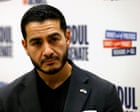
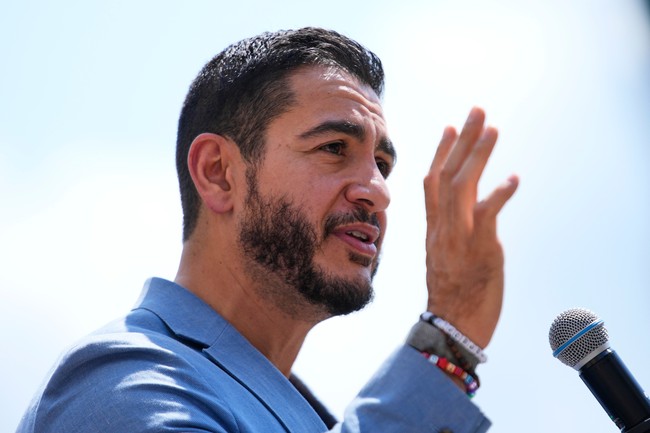
On October 30, Michigan Senate nominee Abdul El-Sayed was facing sharply different arguments over his candidacy: he publicly challenged President Donald Trump’s attacks, while conservative commentator Betsy McCaughey questioned his academic research and campaign positions in an opinion piece.
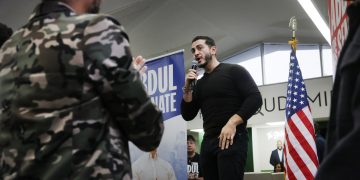
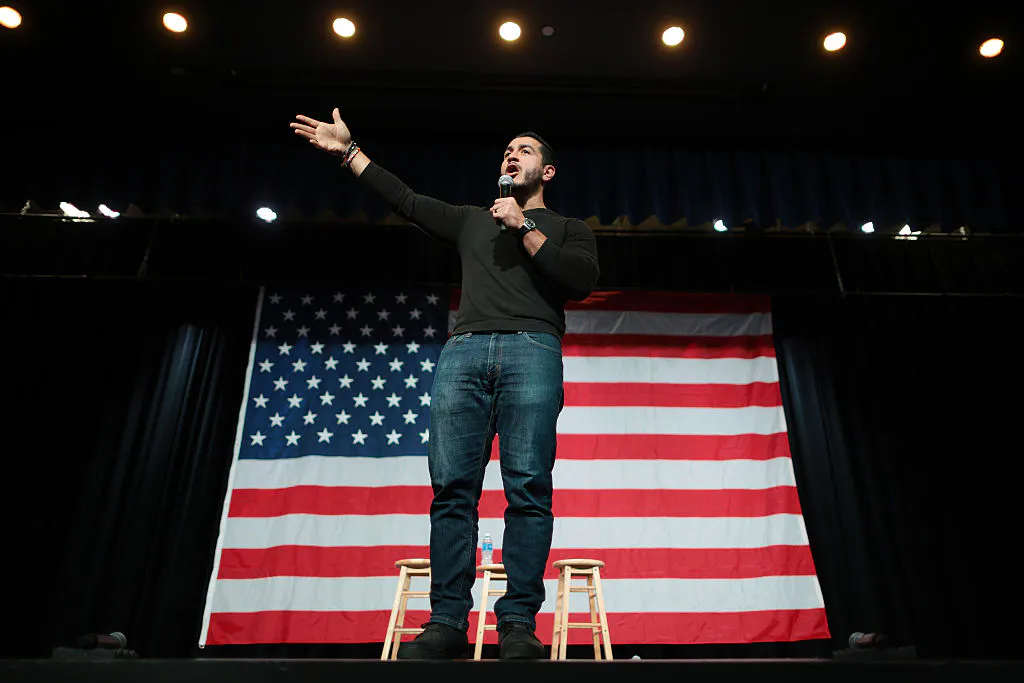
At a Thursday rally, El-Sayed addressed Trump’s use of “Abdul Ramadan” in place of his name and mocked the suggestion that he should pass through a metal detector to enter the Senate. He said he would take a lie detector test if Trump did, and raised questions about Trump’s connection to Jeffrey Epstein and his claims about the 2020 election.
McCaughey criticized El-Sayed’s pre-political academic papers on Arab American health, including research on birth outcomes, suicide and the effects of living in ethnic enclaves. She argued that the studies overstated the benefits of separation and failed to adequately consider other possible explanations for their findings.
She also challenged El-Sayed’s statement at an October 8 debate that people could keep private insurance under his Medicare for All plan, citing his 2021 book’s description of the government as the sole insurer. El-Sayed’s campaign promise was a focus of her criticism; the material provided no response from him to her claims about the book or research.
El-Sayed Answers Trump’s Attacks as Critics Target His Record
President Donald Trump’s attacks on Abdul El-Sayed prompted the Michigan Democratic Senate nominee to answer directly at a rally, while a conservative commentator used his research and Medicare for All proposal to question his candidacy.
El-Sayed mocked Trump’s use of “Abdul Ramadan” and the suggestion that he should face a metal detector before entering the Senate. He said he would accept a metal detector if Trump would take a lie detector test, then raised questions about Epstein and the 2020 election. His response put Trump’s own conduct at the center of the exchange rather than accepting the insinuation about El-Sayed.
Betsy McCaughey’s criticism focused on El-Sayed’s earlier studies of Arab American health and community life. She argued that his research promoted ethnic enclaves and questioned whether it accounted for factors such as age, smoking and socioeconomic status. She also argued that his statement that people could keep private insurance under Medicare for All conflicted with his 2021 book.
The dispute highlights how El-Sayed’s health care platform and scholarly work are being used to challenge his candidacy, even as Trump’s personal attacks have drawn a forceful response from the candidate. The material provided no reply from El-Sayed to McCaughey’s specific criticisms.
Questions Mount Over El-Sayed’s Research and Health Care Pledge
Michigan voters are being asked to look beyond Abdul El-Sayed’s rally retorts and examine whether his research and health care promises stand up to scrutiny. Conservative commentator Betsy McCaughey argued that his academic work on Arab American health supported separation into ethnic enclaves and did not adequately account for alternative explanations in its findings.
Her criticism covered studies on birth outcomes and suicide, including research comparing Arab women in different communities and suicide rates in Wayne County and the rest of Michigan. McCaughey argued that factors such as age, smoking and socioeconomic status deserved more consideration. She also objected to what she characterized as the studies’ treatment of religious and community practices.
McCaughey’s sharpest campaign challenge concerned Medicare for All. At an October 8 debate, El-Sayed said people who wanted to keep private insurance could do so. She cited his 2021 book, which she said described the government as the only insurer, and argued that voters should demand a clear explanation of the apparent conflict.
El-Sayed, meanwhile, answered Trump’s rally insults with jokes about the president’s use of his name and a challenge to take a lie detector test. That exchange may draw attention, but McCaughey’s critique asks voters to weigh the substance of his scholarship and policy commitments. The material provided no response from El-Sayed to those particular claims.
Reported by Daily Kos, Hot Air.