Vance Blames Iran War as He Courts Disaffected Trump Voters
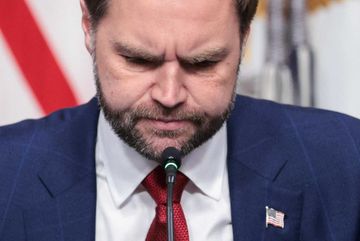
Vice President JD Vance used a social media post on November 4 to argue that the Iran war was the main reason Republicans lost ground in the midterm elections. He also called for a renewed focus on living costs, an “America First” approach and a changed relationship with Israel—positions that could help him attract voters unhappy with President Donald Trump’s foreign policy as the 2028 race approaches.
Vance’s message followed a White House meeting on post-election messaging. He said the war had cost Republicans politically and challenged supporters to argue that the price was worthwhile. Trump had also linked the war to the defeats, while saying he would not have acted differently.
The vice president’s proposed agenda reflects a push to hold on to Trump supporters who favor less foreign involvement and are troubled by the administration’s closeness to Israel. An administration official described the effort as an appeal to a “new right,” not a break with Trump. Vance also floated changes to immigration enforcement, including greater attention to businesses that employ undocumented workers.
The Republican losses were sweeping. Democrats held 54 Senate seats to Republicans’ 44, with Alaska’s result still unsettled, and had secured 237 House seats by Wednesday afternoon. Trump, meanwhile, toured the construction of a White House ballroom as Vance weighed how to rebuild the party’s coalition. Vance is widely viewed as a potential 2028 Republican contender, alongside Secretary of State Marco Rubio.
Vance’s Iran Warning Exposes the Cost of Trump’s Foreign Policy
After Republicans suffered sweeping midterm defeats, Vice President JD Vance said the party must confront the Iran war’s political cost. His November 4 message also called for attention to inflation and living costs, an “America First” course and a changed relationship with Israel—an implicit challenge to the foreign-policy choices of President Donald Trump.
Vance argued that the war was the reason Republicans lost and asked supporters to defend the price if they believed it was justified. Trump likewise connected the conflict to the election results, but said he would have made the same decisions. Vance’s formulation leaves a sharper question for the party: whether a policy that helped drive up fuel prices was worth losing political ground.
The vice president is pitching himself to Trump voters who oppose foreign entanglements and feel the administration is too closely aligned with Israel. His agenda also raises immigration enforcement changes, including a focus on employers who hire undocumented workers. An administration official framed the effort as a bid to lead a “new right,” rather than a split with Trump.
Democrats had won 54 Senate seats to Republicans’ 44, with Alaska still undecided, and 237 House seats by Wednesday afternoon. While Trump toured a ballroom project at the White House, Vance was presenting himself as a potential leader of the party’s post-election rebuilding—and as a possible 2028 candidate.
Vance Seeks a New Right After Republicans’ Midterm Defeat
Republicans’ midterm losses have put the party’s direction in question, and Vice President JD Vance is making the case for a return to priorities that can bring disaffected Trump voters back. In a November 4 post, he urged an end to the Iran war, more focus on living costs, an “America First” approach and a changed relationship with Israel.
Vance said the war was the reason Republicans lost, echoing Trump’s acknowledgment that the conflict contributed to the defeats. The vice president’s appeal puts foreign policy and affordability at the center of the party’s next steps, while speaking to voters who believe the administration has been too aligned with Israel and too involved abroad.
The proposed coalition is not a repudiation of Trump, an administration official said. Vance is trying to reach Republicans who support the president but feel let down by his foreign policy. He also suggested immigration enforcement should focus more on businesses employing undocumented workers, while rejecting the idea that changing enforcement requires amnesty.
Democrats had secured 54 Senate seats to Republicans’ 44, with Alaska’s contest still unresolved, and had won 237 House seats by Wednesday afternoon. Trump toured the White House ballroom project as Vance began making his case for the party’s future. Vance and Secretary of State Marco Rubio are widely considered possible Republican contenders in 2028.