Mars’ volcanic fissures may point to a hidden source of heat
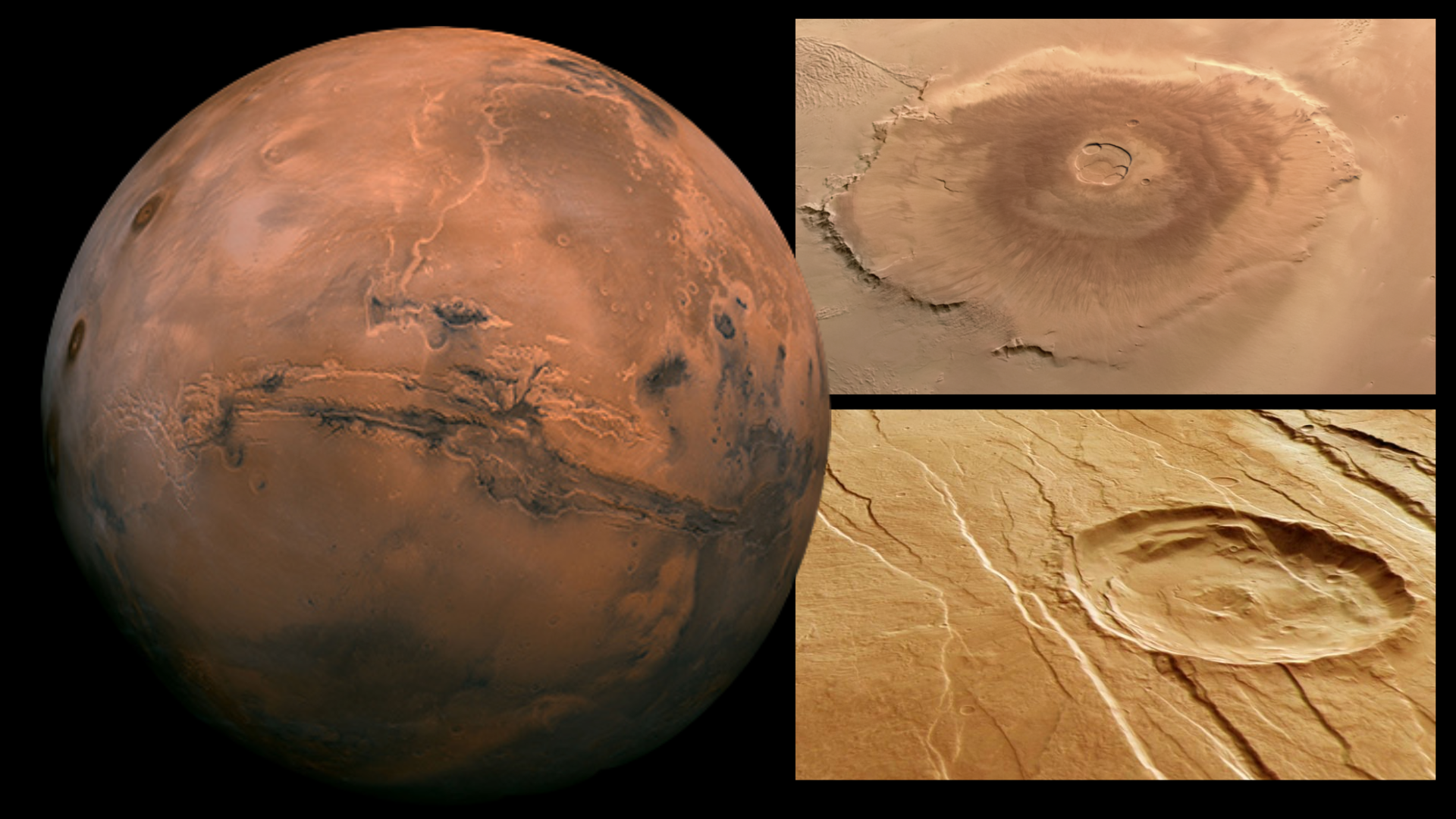
Mars may not be geologically inactive: observations from the European Space Agency’s ExoMars Trace Gas Orbiter detected hydrogen chloride in the atmosphere above fissures in the Alba Mons region. The findings, published in Science Advances on November 4, suggest gases from beneath the planet’s surface are still escaping through volcanic structures.
Hydrogen chloride levels usually peak in the Martian northern winter and decline in summer, a pattern linked to the planet’s dust and water cycles. But the spacecraft detected unusual spikes over Alba Mons in early summer. Images showed narrow, apparently fresh fissures, some hundreds of metres long.
The researchers propose that gas rises from the Martian interior and becomes trapped by ice during winter. As the ice turns directly into gas in summer, it releases hydrogen chloride into the atmosphere. On Earth, the compound can escape from magmatic vents, making its detection on Mars a possible sign of dormant volcanism. Earlier orbital images and marsquake measurements had also hinted at recent volcanic activity, though no eruptions or lava flows have been observed.
The team says volcanic and hydrothermal systems around the fissures could provide heat, energy and ingredients useful to microorganisms, while offering some protection from Mars’ harsh surface conditions. Past volcanic gas emissions may also have contributed to a thicker atmosphere and warmer climate, potentially allowing liquid water at the surface. The researchers identify the Alba Mons fissures as a promising place to investigate for signs of life.
Reported by Space.com, Daily Mail US.