Black Candidates Win Historic Governor Races Across the US
The victories would sharply increase the number of Black Americans elected governor. Before this election, only three Black people had won gubernatorial elections: Virginia’s L. Douglas Wilder, Massachusetts’ Deval Patrick and Maryland’s Wes Moore, who took office in 2023 after his 2022 victory. Moore was projected to win a second term on November 3.
Georgia’s Keisha Lance Bottoms is set to become the first Black woman elected governor in the United States. She would also be Georgia’s first woman and first Black governor. Bottoms, a former Atlanta mayor, said she learned of her victory while working on her speech, after her husband told her the race had been called.
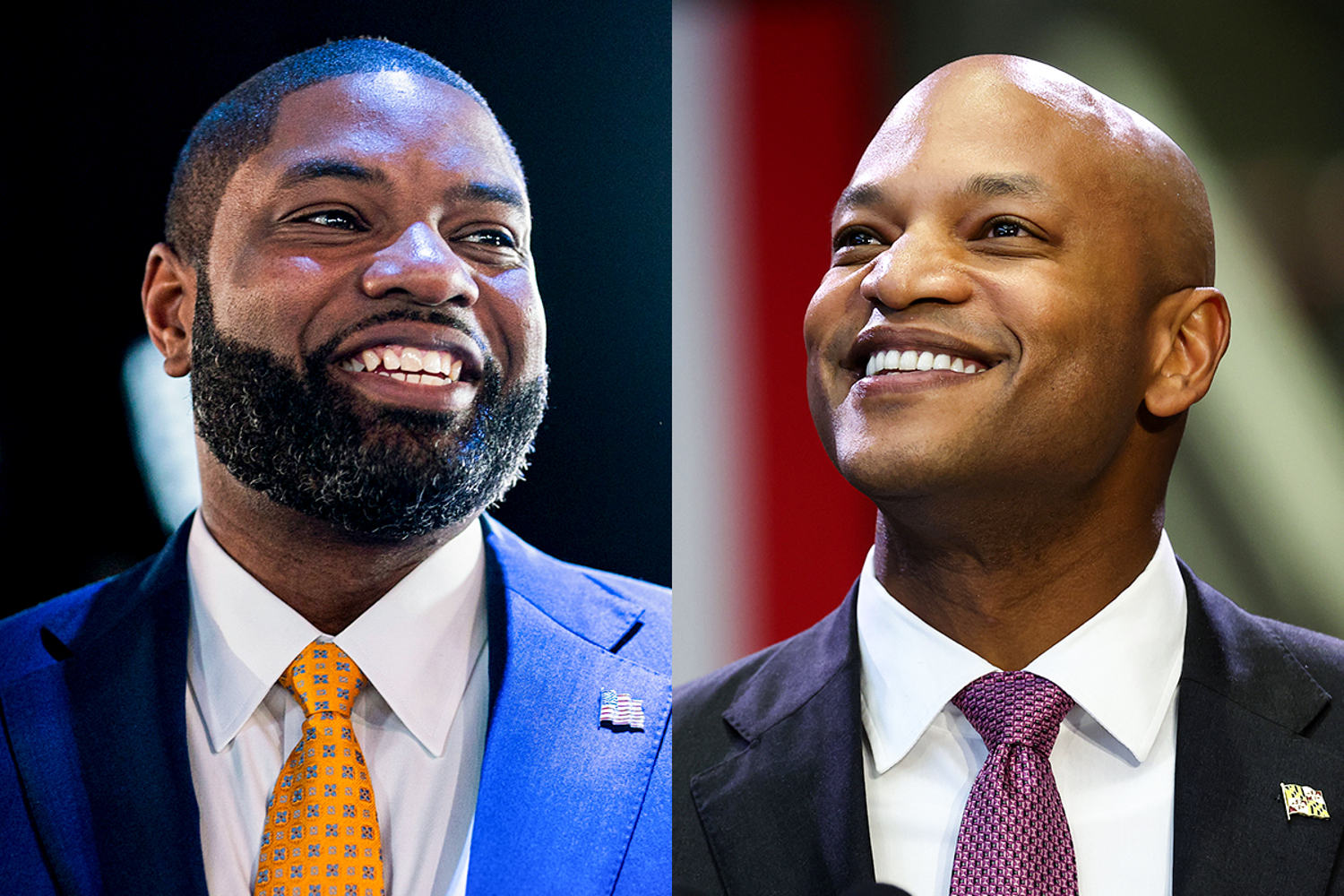
Florida Republican Byron Donalds, a congressman endorsed by President Donald Trump, is projected to become the state’s first Black governor and the first Black Republican elected governor. In Wisconsin, Democrat David Crowley, Milwaukee County’s executive, is projected to become the state’s first Black governor in its 178-year history.
Nevada Attorney General Aaron Ford was also projected to win, a result that would make him the first Black person elected governor west of the Mississippi River. Votes were still being counted, and the race remained unsettled in some projections; Ford was leading by more than 70,000 votes.
Moore called the gains historic, saying he did not want to remain the country’s only Black governor for long. If the projected winners take office next year, Black governors will lead 10% of the nation’s states for the first time.
Historic Black Wins Expand Representation in Governors’ Offices
Voters delivered a historic expansion of Black representation in state leadership on November 3. Keisha Lance Bottoms is set to become the nation’s first Black woman elected governor, and Georgia’s first Black and first woman governor. The expected wins by Wisconsin’s David Crowley and Nevada’s Aaron Ford, alongside Moore’s reelection, would add to that milestone.
Before this election, just three Black Americans had been elected governor. If the projected winners take office next year, Black governors will lead 10% of the nation’s states for the first time. Moore, the only Black governor before these results, called the victories important and said he did not want to hold that distinction for long.
The gains cross party lines. Republican Byron Donalds is projected to become Florida’s first Black governor and the first Black Republican elected to a governorship. That does not erase the significance of the Democratic victories: Bottoms would break a barrier that has kept both Black people and women from Georgia’s top office.
Ford was projected to win Nevada, which would make him the first Black person elected governor west of the Mississippi River. More than 70,000 votes separated him from his opponent as counting continued, though projections did not all treat the race as settled. The results mark a major step toward broader representation in state government.
Black Governors’ Historic Gains Cross Party Lines
The historic governor victories of November 3 belong to both parties. Republican Byron Donalds, endorsed by President Donald Trump, is projected to become Florida’s first Black governor and the first Black Republican elected governor. Democrats Keisha Lance Bottoms, David Crowley and Aaron Ford were also projected winners, while Maryland Democrat Wes Moore was projected to win another term.
The results show that Black candidates can make history across sharply different political views. Donalds’ win would put a Republican among the new generation of Black governors, while Bottoms would become the first Black woman elected governor in the country and Georgia’s first woman governor. Crowley is projected to become Wisconsin’s first Black governor.
Before the election, only three Black Americans had won gubernatorial elections. Should those expected victors assume office next year, Black governors would head 10% of the nation’s state chief executives for the first time. Moore said he was glad not to remain the only Black governor for long.
Ford was projected to win Nevada, a result that would make him the first Black person elected governor west of the Mississippi River. He led by more than 70,000 votes as ballots were still being counted, although the race was not considered settled in every projection. The historic outcomes span parties and regions, rather than belonging to one political camp.
Reported by CBS News, ABC News, The Philadelphia Inquirer, The Boston Globe.