Global Leaders Weigh Democratic Midterm Victory
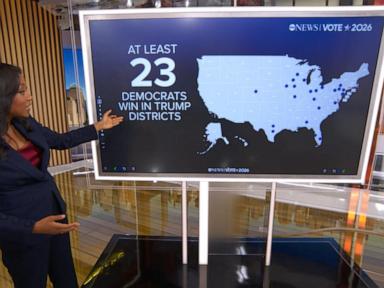
Democrats’ victory in Tuesday’s U.S. midterm elections drew responses from government leaders and political figures around the world on November 4. Democrats took control of both the Senate and the House, while Trump remained in office as president.
Spain’s Prime Minister Pedro Sánchez cast the result as a rejection of policies he associated with higher costs, hate and climate denial. South African President Cyril Ramaphosa said he hoped the change in congressional control would open a path to improved relations with Washington, including on trade and investment. The U.S. had withdrawn South Africa’s tariff-free entry to its marketplace days before the election.
European leaders saw possible openings for closer alignment with the United States on issues including Ukraine, climate and foreign aid. Norway’s prime minister pointed to American voices whose positions were closer to Europe’s. Belgium’s defense minister, meanwhile, warned that divisions in Washington could make governing difficult.
Other leaders questioned whether the result would change U.S. policy. German Chancellor Friedrich Merz argued Trump had governed without much consultation with Congress and might continue to do so. Russian officials expressed differing concerns: Kremlin spokesman Dmitry Peskov hoped Trump would continue efforts to mediate the Russia-Ukraine conflict, while Deputy Foreign Minister Sergei Ryabkov said Russia’s foreign policy did not depend on political shifts in other countries.
Some European conservatives blamed Republican losses on international conflicts and their economic effects. British Prime Minister Andy Burnham emphasized the cost of living and called for attention to conflicts in Ukraine and the Middle East. The reactions reflected uncertainty over how the election would affect U.S. relations and policy abroad.
Voters Reject Trump’s Agenda, Leaders See Chance for Change
Democrats’ capture of both chambers of Congress is a rebuke to President Donald Trump and the policies that foreign leaders say have fueled economic strain and international division. Responses on November 4 pointed to the possibility that the election could bring Washington closer to allies’ views.
Spain’s Prime Minister Pedro Sánchez described the result as a rejection of policies he linked to making people poorer, hate and climate denial. Norway’s prime minister said voices in U.S. politics were emerging that were closer to Europe on climate, the environment and foreign aid. European Parliament Vice-President Sophie Wilmes said the congressional shift could help create a calmer, more constructive relationship with Europe.
South African President Cyril Ramaphosa welcomed the prospect of better relations with Washington, including on trade and investment. His comments came shortly after the U.S. withdrew South Africa’s tariff-free access to the American marketplace. Leaders also pointed to the stakes for support for Ukraine and diplomacy abroad.
The election does not itself guarantee a change in the administration’s approach. German Chancellor Friedrich Merz doubted Trump would alter his governing style, and Belgium’s defense minister warned that political division could make governing difficult. But Kremlin spokesman Dmitry Peskov said he hoped Trump would keep pursuing mediation in the Russia-Ukraine conflict.
The result gives Democrats greater influence in Congress as voters and foreign governments watch whether that power changes U.S. policy. The responses underscored how closely allies connect the cost of living, international conflicts and Washington’s direction on climate and trade.
Foreign Leaders Hope Midterm Losses Force Trump to Retreat
Democrats’ midterm victory has foreign leaders looking to use the shift in Congress to push the United States toward their preferred policies. Their reactions on November 4 focused on climate, trade, Ukraine and Washington’s role abroad, even though President Donald Trump remains in office.
Spain’s socialist Prime Minister Pedro Sánchez portrayed the vote as a rejection of policies he opposed, and said he expected a similar political trend in Spain. European leaders welcomed the prospect of closer U.S. alignment with their positions on climate, the environment and foreign aid. European Parliament Vice-President Sophie Wilmes said the new congressional balance could make relations with Europe more constructive.
South African President Cyril Ramaphosa said he hoped the result would improve ties on trade and investment. That appeal followed Washington’s removal of South Africa’s tariff-free entry to its marketplace. Foreign officials also highlighted the implications for U.S. support for Ukraine and other international priorities.
The election’s impact on Trump’s approach remains disputed. German Chancellor Friedrich Merz said Trump had largely governed without consulting Congress and questioned why that would change. Belgium’s defense minister warned that political divisions could make governing nearly impossible. Russian officials also differed: Kremlin spokesman Dmitry Peskov hoped Trump would continue mediation efforts, while Deputy Foreign Minister Sergei Ryabkov said Russia’s policy would not be driven by political changes abroad.
Some European right-wing figures argued that international conflicts and their economic consequences hurt Republicans. Their comments, like calls from other leaders for a change of course, show how foreign politicians are interpreting a U.S. election whose effects on policy are still to come.
Reported by ABC News, Breitbart.