Texas GOP Blames Trump, Paxton and Party Infighting for Rout
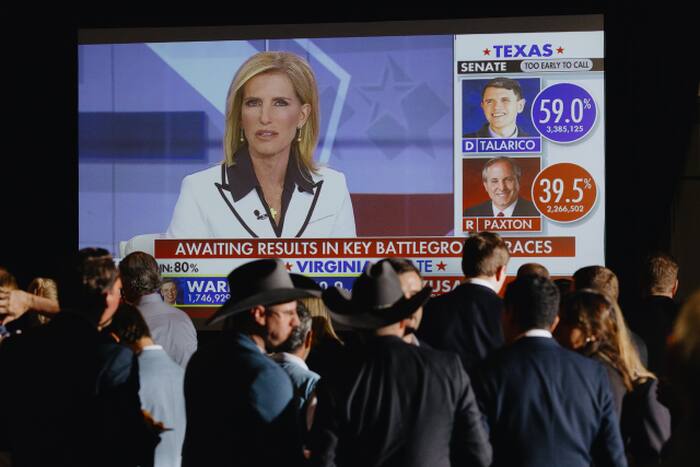
Texas Republicans spent the night of November 3 reckoning with a sweeping defeat after Democrats captured all the top statewide posts up for election and gained control of the Texas House. Democrat James Talarico beat Attorney General Ken Paxton for a U.S. Senate seat by about 1.2 million votes, ending decades of Republican control of the seat, according to the account of the results.
The losses prompted party figures to point fingers at one another and at President Donald Trump. At his election-night party, Comptroller Don Huffines, who fell short in his campaign to secure a full term, blamed state leaders including Gov. Greg Abbott and Lt. Gov. Dan Patrick. Sen. John Cornyn, who lost the Republican primary runoff to Paxton, later argued that nominating candidates with personal scandals forced voters to weigh policy against character.
Some Republicans singled out Paxton as a drag on the ticket, while others said the party’s broader strategy had narrowed its appeal. GOP operative Matt Mackowiak said Republicans had focused on a smaller slice of voters and treated primaries as the main contest. Paxton’s campaign continued to emphasize his opposition to the party establishment, including at his final rally.
Trump, who endorsed Paxton, was also a target of criticism. Former Texas GOP executive director Chad Wilbanks said responsibility for the national Republican losses rested with the president. Paxton supporter Mike Little likewise blamed Trump, citing his endorsements in Texas and South Carolina. At Paxton’s watch party, another supporter, Gregor Heise, reacted to the result by warning of “civil war” and claiming Democrats would use subpoena power to pursue impeachment and imprisonment.
Republicans now face the task of repairing internal divisions and rebuilding their general-election strategy. Some party critics argued that time in the minority could force the changes they believe are needed.»
Texas Voters Reject Trump’s GOP as Party Blames Itself
Texas voters delivered a sweeping rebuke to Republicans on November 3, handing Democrats every major statewide office on the ballot, the state House and a Senate seat after decades of GOP control. Ken Paxton, endorsed by President Donald Trump, lost to Democrat James Talarico by about 1.2 million votes.
The defeat also put Trump’s influence under scrutiny. Republicans lost Senate races elsewhere, including in South Carolina, and former Texas GOP executive director Chad Wilbanks said responsibility for the national losses rested with the president. Paxton supporter Mike Little also blamed Trump, pointing to his endorsements of Paxton and South Carolina candidate Darline Graham.
The party’s own critics described a strategy that had become too narrow for a general election. GOP operative Matt Mackowiak said Republicans had focused on an increasingly small share of voters and acted as though primaries were the only elections they could lose. Cornyn argued that candidates’ personal scandals forced voters to choose between policy and character; he also criticized Trump’s tariffs and immigration enforcement.
Republican officials and supporters instead turned on one another. Comptroller Don Huffines blamed state leaders, while some Republicans said Paxton hurt the ticket. At Paxton’s watch party, one supporter responded to the result with a warning of “civil war” and claims that Democrats would pursue impeachment and imprisonment.
The losses leave the GOP facing a choice: broaden its appeal and repair its divisions, or continue a politics that critics say has put allegiance to Trump and primary contests ahead of winning over the wider electorate.
Texas GOP Must Rebuild After Democrats’ Sweep
Texas Republicans suffered a historic defeat on November 3, losing every major statewide office on the ballot, the state House and a Senate seat to Democrat James Talarico, who beat Ken Paxton by about 1.2 million votes. After more than 30 years of dominance, the party’s usual ability to unite after bitter primaries did not prevent a wipeout.
Republicans now face a serious argument over how to recover. Some say the party’s long run of victories left candidates and operatives focused on primary fights rather than reaching general-election voters. GOP operative Matt Mackowiak said Republicans had catered to a narrower slice of the electorate. Others blamed Paxton’s candidacy, with Sen. John Cornyn arguing that personal scandals made it harder for voters to support the party’s policies.
But blame also landed on state leaders and Trump, who endorsed Paxton. Comptroller Don Huffines faulted Gov. Greg Abbott, Lt. Gov. Dan Patrick and other leaders. Former Texas GOP executive director Chad Wilbanks said Trump had to answer for the party’s national failures. The dispute risks deepening divisions just as Republicans need to rebuild their election strategy.
Paxton’s campaign had continued to cast him as a challenger to the GOP establishment, including at his final rally. Some Republicans argued that the party’s effort to satisfy its base had shrunk its appeal, while other supporters reacted to the defeat with anger and alarm.
The losses have made a once-distant prospect—life in the political minority—a reality for Texas Republicans. Some party figures see that setback as a chance to repair the party’s general-election approach and close its internal rifts.
Reported by Raw Story, KPRC 2 Click2Houston.