Florida Democrats Break House Supermajority as Senate Control Remains Unclear
Florida Republicans appeared to lose their supermajority in the state House on November 3, with Democrats gaining about 15 seats. Republicans entered the election with 82 of the chamber’s 120 seats; a supermajority requires 80. Democrat Daniel McDow appeared to defeat Republican Monique Miller, though the result was close enough to fall within the margin for a recount. Republican Jon Maples, meanwhile, appeared poised to reclaim a Palm Beach County seat won by Democrat Emily Gregory in a spring special election.
Democratic House Leader-designate Christine Hunschofsky said losing the supermajority would limit Republicans’ ability to act alone on some major decisions. Those include overriding a governor’s veto and bypassing legislative rules, both of which require two-thirds support. Florida Democratic Party Chair Nikki Fried also highlighted a net gain of 15 House seats.
The Republican supermajority in the Senate was less certain. Democrat John Lowndes, Maitland’s mayor, was ahead of Republican Sen. Jason Brodeur. A Senate supermajority requires 27 seats; Republicans began the election with 26, alongside 12 Democrats, an independent and a vacancy. Former Sen. Bryan Avila’s seat remains vacant after he resigned to run for lieutenant governor.
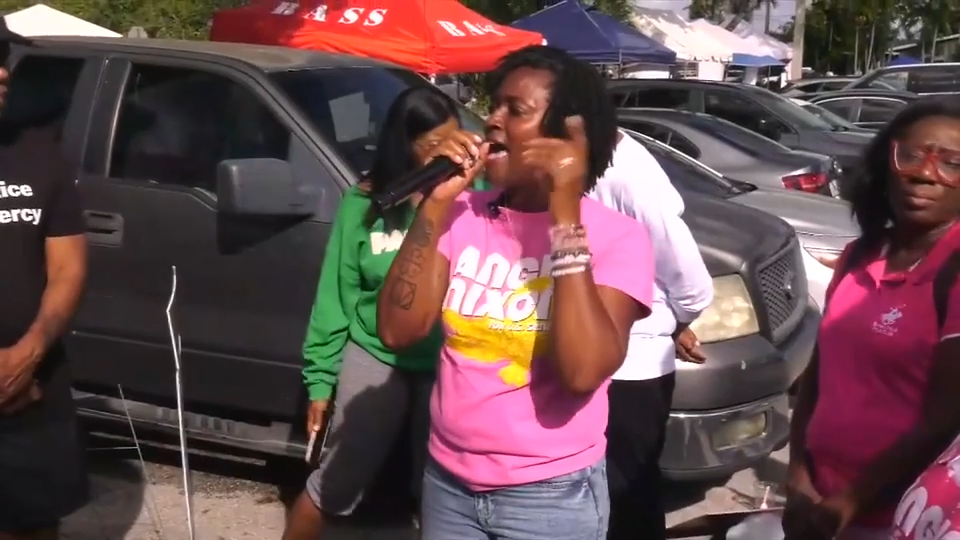
Democrats also pointed to narrower-than-expected losses in statewide races. Byron Donalds won the governor’s race by just over 107,000 votes, while Republican Sen. Ashley Moody beat Angie Nixon by about 240,000. Donalds pledged to govern for all Floridians, and Democrat David Jolly said his vote share showed his party had built a coalition. Democrats said the legislative gains, achieved with little national-party financial support, could encourage greater investment in future Florida races.
Florida Democrats Shatter GOP House Supermajority and Open a Path Forward
Florida voters dealt Republicans a major check in the state House on November 3, as Democrats gained about 15 seats and appeared to end the GOP’s supermajority. With Republicans entering the election at 82 seats and 80 required for a supermajority, the shift curbs their ability to make certain major decisions without Democratic support.
Democratic House Leader-designate Christine Hunschofsky said the change would constrain unilateral action on matters such as veto overrides and legislative rules. Florida Democratic Party Chair Nikki Fried celebrated the net gain, while Democrats argued the result gives them a better chance to push back against Republican policies.
The Senate picture remains unsettled. Democrat John Lowndes, Maitland’s mayor, was ahead of Republican Sen. Jason Brodeur, but Republicans’ path to the 27 seats needed for a supermajority was still in doubt. The chamber began with 26 Republicans, 12 Democrats, one independent and a vacant seat.
The statewide races went to Republicans, but Democrats emphasized that the margins were far narrower than the state’s recent Republican landslide. Byron Donalds won the governorship by just over 107,000 votes, and Sen. Ashley Moody defeated Angie Nixon by about 240,000. Jolly said his result reflected a coalition, and Democrats hope their legislative gains—made with little national-party financial support—will persuade the party to devote more resources to Florida. The gains make clear that Republican dominance is not beyond challenge.
Florida GOP Still Wins Statewide as Democrats Take House Seats
Florida remained in Republican hands statewide on November 3: Byron Donalds won the governor’s race and Sen. Ashley Moody defeated Angie Nixon. But Democrats made significant gains in the Legislature, appearing to take about 15 House seats and break the Republican supermajority.
The House losses reduce Republicans’ ability to pass certain measures on their own, including veto overrides, which require a two-thirds vote. Republicans entered the election with 82 seats, while 80 are needed for a supermajority. A close result involving Republican Monique Miller could face a recount, and Republican Jon Maples appeared likely to retake a Palm Beach County seat from Democrat Emily Gregory.
Republicans also face uncertainty in the Senate, where Democrat John Lowndes was ahead of Republican Sen. Jason Brodeur. The GOP began with 26 seats, one short of the 27 needed for a Senate supermajority; a vacancy remains after Bryan Avila resigned to run for lieutenant governor.
Still, Democrats’ gains did not translate into statewide victories. Donalds won by just over 107,000 votes, and Moody beat Nixon by about 240,000. Donalds said he would govern for all Floridians, while Gov. Ron DeSantis cautioned that Republicans should not expect to repeat his 2022 landslide. Democrats are now hoping their legislative performance, despite little national-party financial support, will bring more money and resources to future campaigns. The election showed a tighter contest, not a statewide transfer of power.
Reported by CBS Miami, WSVN 7News, Mother Jones.