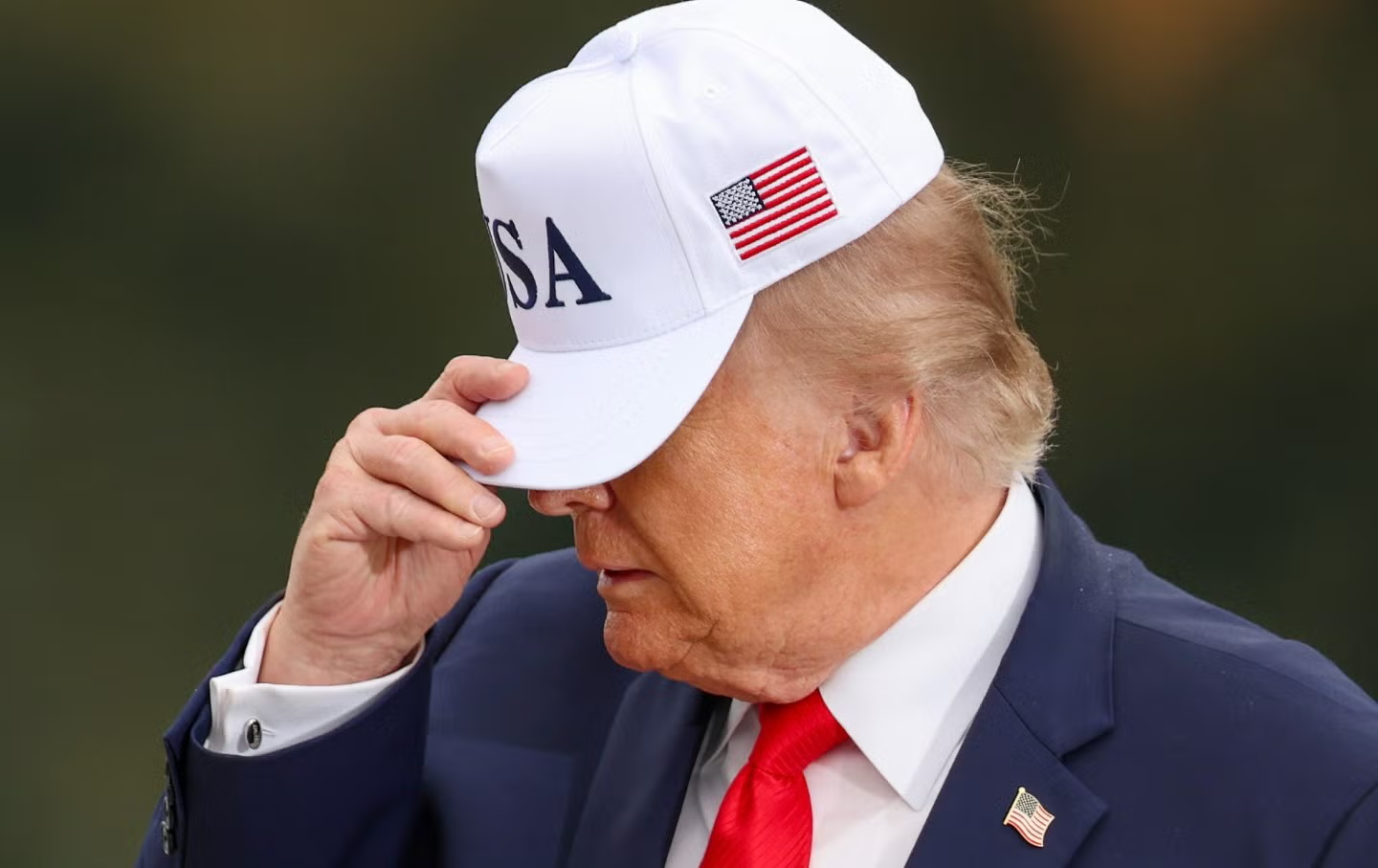
Democrats Sweep Midterms as Trump’s Coalition Unravels
Democrats scored sweeping midterm victories on November 3, taking Senate seats in Texas and South Carolina and ending Republican control of both chambers of Congress. In Texas, James Talarico won the seat held by Republican John Cornyn. Georgia voters reelected Democratic Sen. Jon Ossoff and chose Democrat Keisha Lance Bottoms as the state’s first Black governor. Kansas also appeared set to elect a Democratic senator. Several closely watched races in Maine, Michigan and Alaska remained uncalled as the results emerged.
The scale of the gains marked a striking reversal for Trump, who returned to the White House in 2024 with Republicans controlling Congress. His coalition had included notable support from Black, Latino and younger voters. By election night, voters were delivering a broad rebuke to his party and the agenda pursued during his second term.
That agenda included sweeping changes to the federal government, immigration enforcement and trade policy. The election followed a period in which tariffs and other decisions had contributed to rising prices, while the administration faced criticism over its use of executive power and politically charged prosecutions.
The Democratic victories give the party control of Congress and a national platform for debates over its direction ahead of the next presidential contest. The party’s primaries have been turbulent, and questions remain over its positions on issues including Israel and transgender rights. Republicans, meanwhile, face the challenge of defining their future while Trump remains president. The results leave both parties confronting a changed political landscape after voters rejected the Republican governing agenda.
Voters Reject Trump’s MAGA Agenda in Democratic Midterm Wave
Donald Trump’s sweeping return to power in 2024 proved no lasting mandate. On November 3, voters handed Democrats control of Congress, delivered Senate victories in Texas and South Carolina, reelected Georgia Sen. Jon Ossoff and elected Keisha Lance Bottoms as the state’s first Black governor. Kansas also appeared poised to send a Democrat to the Senate.
The message is hard to miss: voters rejected the direction of Trump’s second term. His administration pursued deep cuts to the federal government, aggressive immigration enforcement and tariffs, while prices rose again. The election turned a Republican Congress into a Democratic one and showed that Trump’s past gains among Black, Latino and younger voters did not guarantee lasting support.
Democrats now have a national platform to press for accountability and set out an alternative. Their own party remains divided over important questions, including Israel and transgender rights, and its primaries have been unsettled. But voters backed Democrats across a broad range of races, giving the party room to debate its future in power.
Republicans must now reckon with the consequences of governing under Trump. The president remains in office, but his party has lost control of Congress after voters saw the results of its agenda. The next fight will be over what Democrats do with the opening voters have given them.
Democrats Win Congress, but Their Post-Trump Direction Remains Unclear
Democrats made major gains on November 3, taking control of Congress and winning Senate seats in Texas and South Carolina. Georgia voters reelected Jon Ossoff and chose Keisha Lance Bottoms as the state’s first Black governor; Kansas also appeared likely to elect a Democratic senator. The results are a sharp setback for Republicans, who entered Trump’s second term controlling both chambers.
But a victory over an unpopular governing party is not the same as a settled Democratic agenda. The party’s primary season was chaotic, and Democrats are still working through divisions on issues including Israel and transgender rights. Voters backed candidates with a “D” beside their names across a wide range of races, even as the party continues to debate what it stands for.
Trump’s party has reason to examine how it lost support after the president’s 2024 coalition included substantial gains among Black, Latino and younger voters. The midterms followed a term marked by sweeping changes to government, immigration enforcement and trade policy, and rising prices. The results show that those gains did not hold through the next election.
Democrats now control Congress and will have a prominent role in shaping the national debate. Republicans, meanwhile, must decide how to define their movement while Trump is still president. The election settles who controls Congress, but leaves both parties facing questions about what comes next.
Reported by The New Republic, The Free Press, MSNBC, The Daily Beast.