Midterms Pass Smoothly Despite Federal Election Pressure
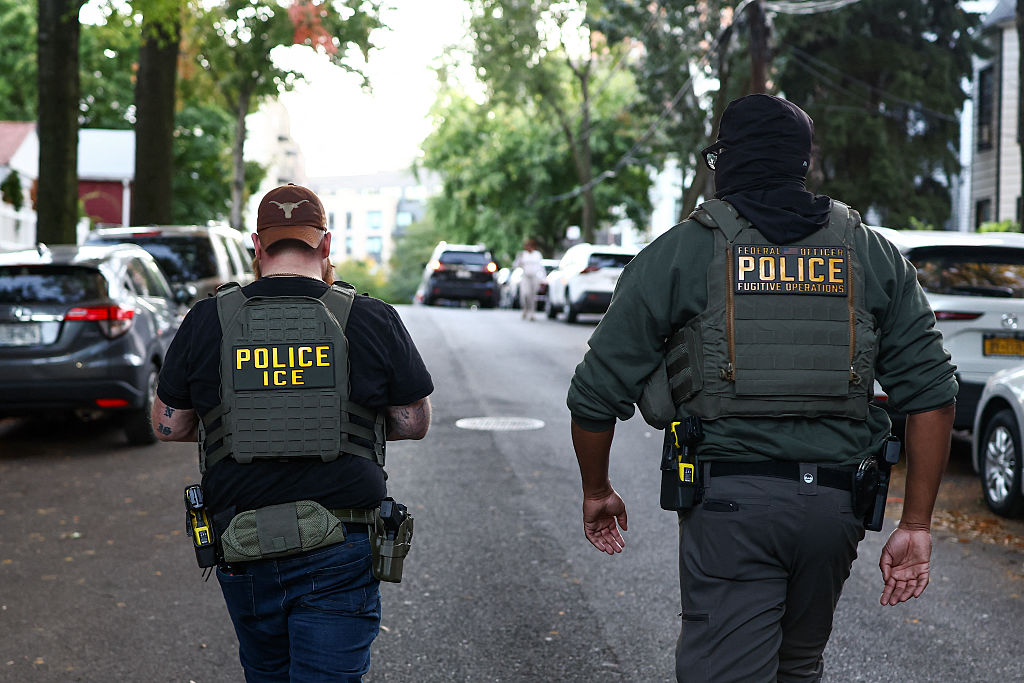
The 2026 midterm elections unfolded without widespread disruption on November 3, despite days of concern that the Trump administration might interfere. Polling-place monitors sent by the Justice Department numbered more than 900, but there were no reports of troops or immigration agents being deployed to voting sites. Homeland Security Secretary Markwayne Mullin said ICE agents had not been sent to polling places.
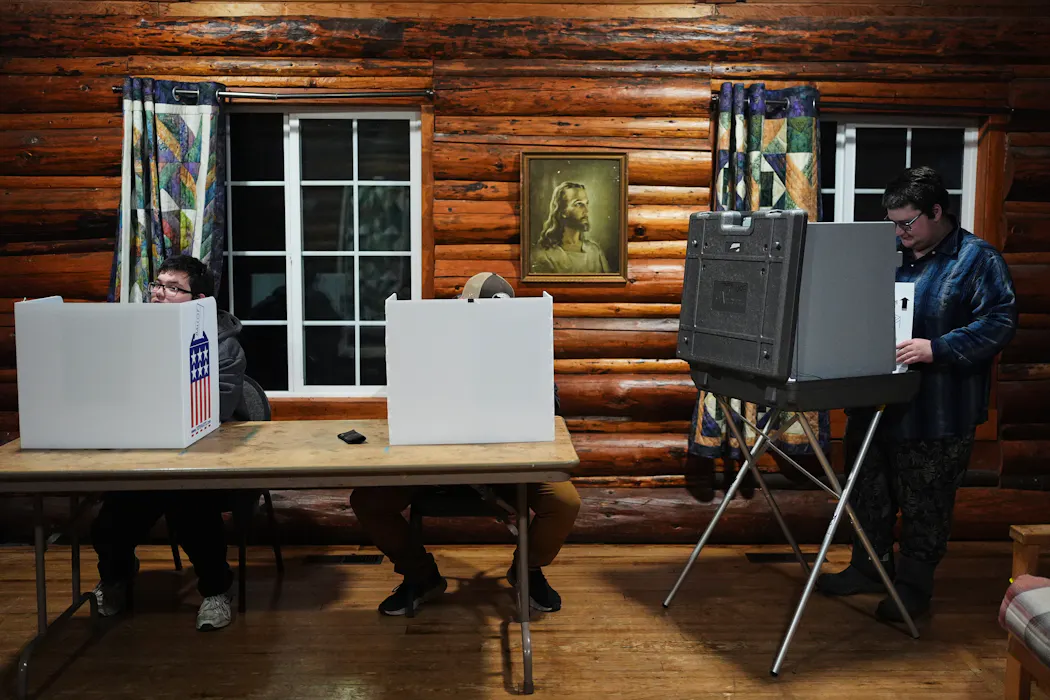
The day brought ordinary problems in some locations. Flooding forced more than 20 Florida polling places to move, North Carolina sites extended voting hours, and a Kansas City-area precinct received too few ballots. A programming issue also delayed ballot scanning in Westchester County, New York. Conservative commentators used that problem to allege election wrongdoing.
In the days before voting, the Justice Department pursued election-related cases and made plans to send an unusually large number of monitors. Federal judges rejected administration efforts in several disputes, including a request involving California ballot counting. A former federal judge said states have the central role in regulating elections and that courts generally avoid disrupting voting once it is underway.
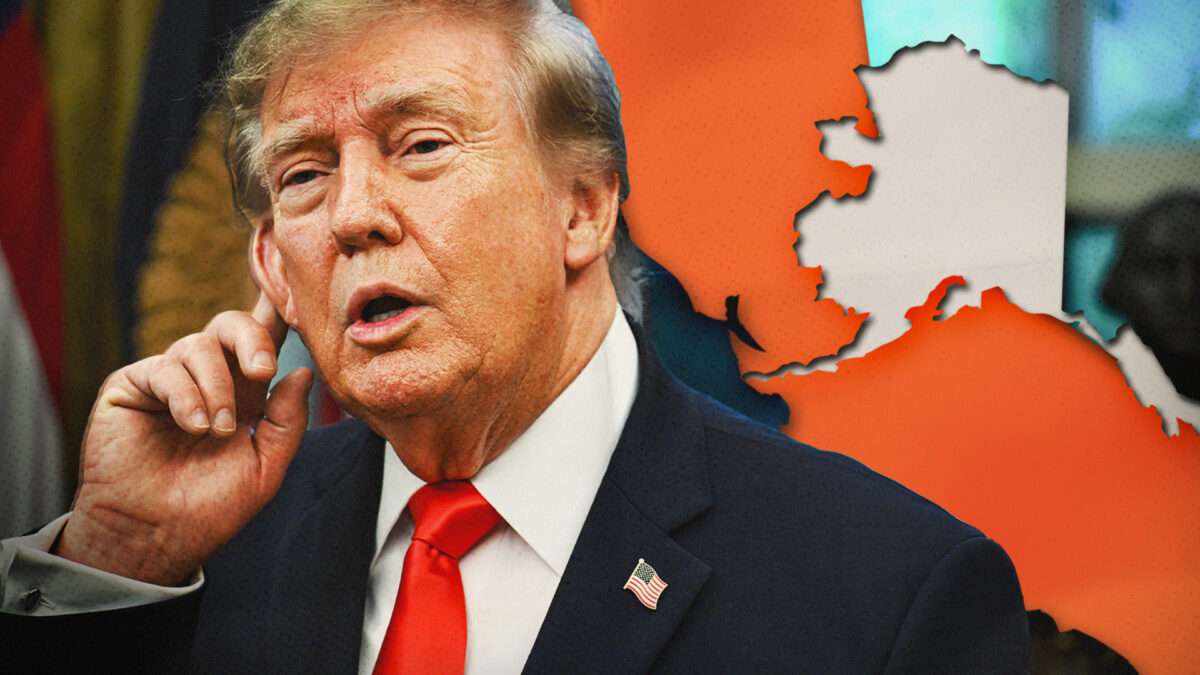
President Donald Trump said he would accept the results after Democrats won majorities in both the House and Senate. Losing candidates across the country conceded. Election specialists said those concessions and Trump’s statement made broad challenges less likely, though vote counting and potential disputes in California and Alaska could bring further tests in the coming weeks.
Democratic officials remained alert to the possibility of federal efforts to halt counting. Los Angeles County’s top election official said contingency plans were in place, while a Democratic National Committee vice chair said she was watching for attempts to reject results unfavorable to the administration.
Voters Withstood Federal Pressure as Midterms Proceeded
Voters and election workers carried the midterms through November 3 without the feared deployment of troops or immigration agents to polling places. That peaceful outcome matters, but it does not erase the administration’s extraordinary pressure on election systems: the Justice Department sent more than 900 monitors and pursued election-related cases close to voting day.
Federal judges rejected several administration efforts, including an appeal related to California ballot counting. A former federal judge said the Constitution places election regulation chiefly with states and that courts are reluctant to intervene once voting is underway. Those rulings underscore the stakes of an executive branch pressing into a process that has already begun.
Most problems on Election Day were routine: flooding moved more than 20 Florida sites, some North Carolina locations kept voting open longer, and a ballot shortage disrupted one precinct near Kansas City. A scanning delay in Westchester County also drew conservative allegations of fraud, despite an explanation that machines needed a programming update.
President Donald Trump said he would accept the results after Democrats won both chambers of Congress, and losing candidates conceded. Still, Democratic officials said they were preparing for possible attempts to stop counting or reject results. The election’s smooth operation is a credit to voters and local officials—not a reason to dismiss the risks created by federal pressure and unsupported claims about fraud.
Election Day Ran Smoothly Despite Democrats’ Alarm
The dire predictions of election-day chaos did not come to pass. Voting across the country proceeded largely smoothly on November 3, no troops or ICE agents were reported at polling sites, and President Donald Trump said he would accept the outcome after Democrats won the House and Senate.
There were isolated, familiar administrative problems: flooding forced Florida polling places to relocate, some North Carolina sites extended hours, and a precinct near Kansas City received an inadequate supply of ballots. A programming issue delayed scanning in Westchester County, but the Republican incumbent there expressed confidence the votes would be counted. Claims by conservative commentators about that incident were allegations, not established findings.
The Justice Department deployed more than 900 election monitors, a historically large presence. Yet concerns that monitors would disrupt voting proved unfounded, as did fears of a federal deployment of troops or immigration agents. A Republican former Kentucky election official described the day as smooth, and candidates who lost conceded across the country.
Democrats continue to warn that federal interference could emerge as counting proceeds, particularly in California and Alaska. Those concerns should be judged by what happens next, not treated as proof that routine election administration has been compromised. With Trump accepting the results and losing candidates conceding, the broad post-election confrontation some anticipated appears less likely.
Reported by The Conversation US, The Philadelphia Inquirer.