Election challenges loom as midterms approach
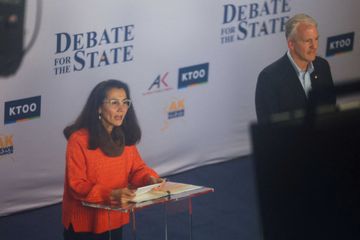
The election dispute is taking shape before voters finish casting ballots. Federal lawsuits and investigations are already challenging election procedures in Alaska and California, and officials and party lawyers expect more disputes over counting and certification after Election Day. In a North Texas county, Republicans have sued to prevent certification unless ballots statewide are counted by hand.
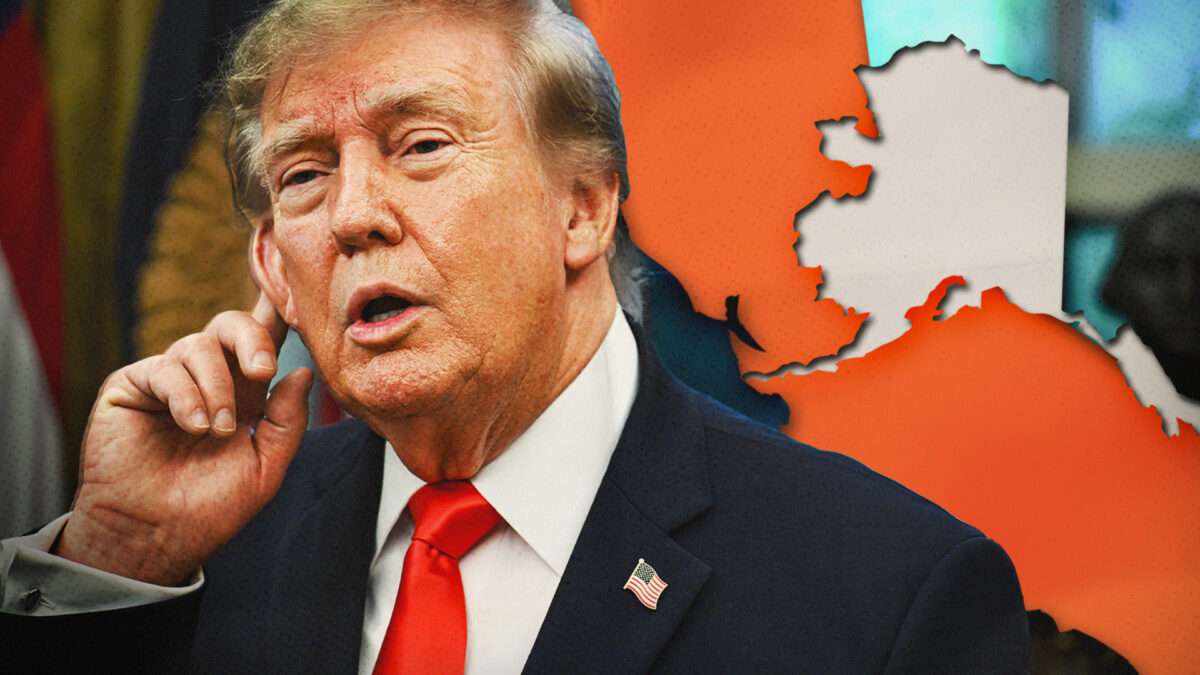
The Justice Department’s actions include a bid to block certification of Alaska’s Senate race if Republican Dan Sullivan loses narrowly, and subpoenas in California concerning alleged noncitizens on voter rolls. The department has also challenged election practices in Washington state, citing people it says may be noncitizens. Those claims have drawn scrutiny, and experts across political parties characterize the legal challenges as unlikely to succeed.
Some Trump allies are also discussing whether to challenge seating Democratic Senate winners Mary Peltola in Alaska or Abdul El-Sayed in Michigan when the new Congress convenes in January. President Donald Trump has not ruled out such objections. Senate rules allow challenges to election results, but constitutional law and congressional procedure experts say the seating process cannot be used to overturn voters’ decisions. A 1969 Supreme Court ruling limits congressional consideration of a member-elect’s qualifications to age, citizenship and state residency.
Trump has repeatedly alleged election fraud and said he would accept results if elections are honest. Former Attorney General Eric Holder said such claims can weaken public confidence and discourage voting. Election officials are preparing for disruptions including threats, bad weather and technical problems, while Democratic aides say their main concern is certification disputes in state and local courts. If lawsuits fail, objections in Congress could still intensify the political fight, though experts say overturning results there would require broad support.
Trump allies prepare to challenge voters’ choices
The threat to the midterms is not just another round of unsupported fraud claims: federal officials and Trump allies are preparing legal and political challenges that could keep close races in dispute after voters have spoken. Lawsuits and investigations are already targeting election procedures in Alaska, California and Washington state, while Republicans in a North Texas county are seeking a hand count of every ballot before certification.
Trump has repeatedly claimed Democrats cheat, despite the absence of evidence cited in the reports to substantiate his accusations. The Justice Department is pursuing challenges involving alleged noncitizens on voter rolls and Alaska’s Senate race. Claims about noncitizen voting have faced scrutiny, and experts across the political spectrum view the legal cases as long shots. But Democrats say the danger also lies in sowing doubt and complicating certification, not only in winning in court.
Some Trump allies are considering objections to seating Democratic Senate winners Mary Peltola or Abdul El-Sayed in January. A Senate Democratic aide called fabricated allegations about terrorist ties an invalid basis for denying a seat. The Supreme Court ruled in 1969 that Congress can assess a member-elect’s age, citizenship and state residency, not use qualifications as a pretext to overturn an election.
Election officials are preparing for disruptions, and Democratic aides expect the central fights to unfold in county and state courts. If those challenges fail, Congress could become another arena for objections. Experts say the process cannot overturn voters’ verdict without broad support, but the effort itself risks eroding confidence in elections and deterring participation.
Election disputes risk turning routine safeguards into partisan weapons
Election security and accurate vote counts matter, but the current rush to litigate before voters have even finished casting ballots risks turning ordinary safeguards into a partisan campaign against results Republicans may dislike. Federal actions are already challenging procedures in Alaska, California and Washington state, and a North Texas GOP party is seeking a statewide hand count before results can be certified.
The Justice Department is investigating allegations involving noncitizens on voter rolls and the Alaska Senate race. The claims deserve scrutiny: allegations in California and Washington have drawn questions, and legal experts across party lines say the challenges are unlikely to prevail. Even former Republican election lawyer Ben Ginsberg said the Alaska candidate-recruitment controversy involved no illegality, despite the criminal probe.
The larger concern is that Trump has left open whether he will accept the results, saying he would do so if the elections are honest. His allies are also discussing objections to seating Democratic Senate winners Mary Peltola or Abdul El-Sayed. The Constitution and a 1969 Supreme Court ruling sharply limit Congress’s authority to reject a member-elect, while experts say the January process offers no route to overturning voters’ choice.
Election administrators are preparing for practical disruptions such as threats, bad weather and technical failures. Those preparations should not be confused with evidence of widespread fraud. Certification challenges in state courts and possible objections in Congress could prolong uncertainty, while repeated claims of fraud risk further weakening public trust in a system whose votes officials say will be cast and counted accurately.
Reported by MSNBC, CNN, Jacobin, The Philadelphia Inquirer.