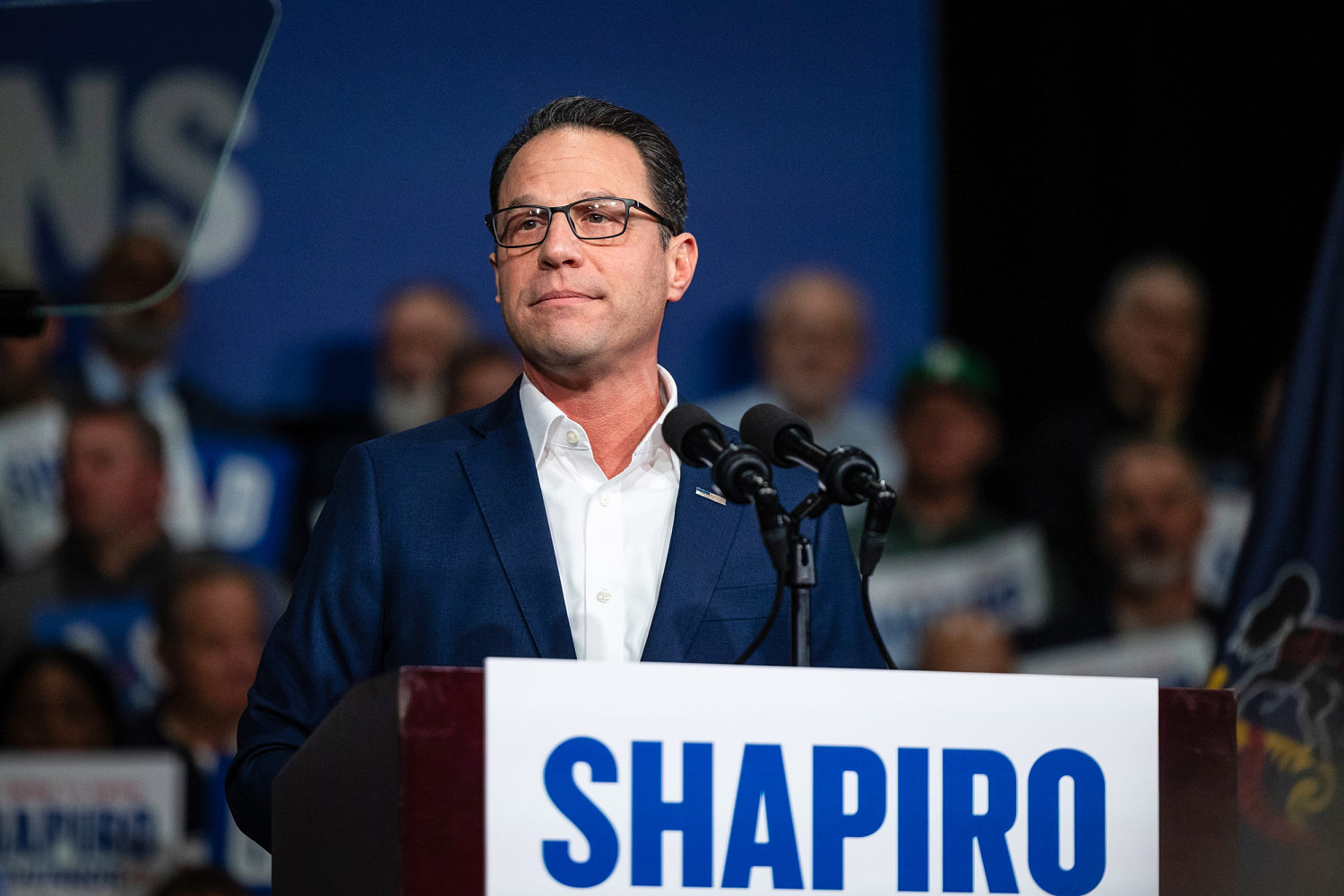
Shapiro Wins Second Term as Pennsylvania Governor
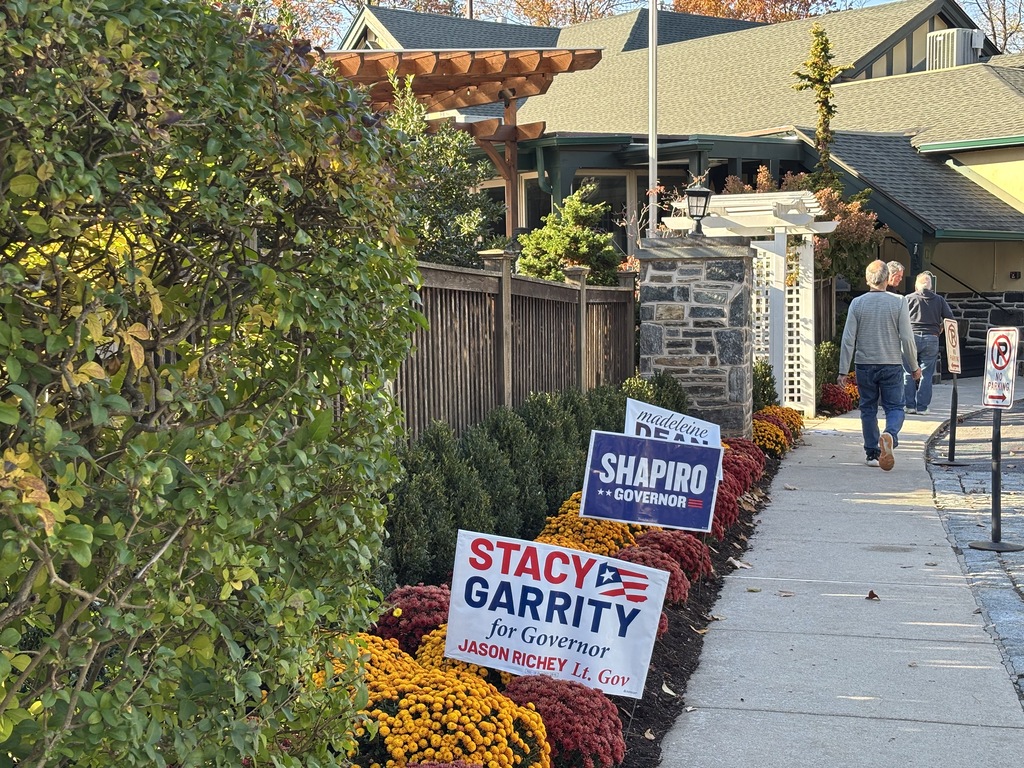
Shapiro won reelection over Garrity, the state treasurer, with the Associated Press calling the race shortly after polls closed on November 3. The incumbent held a wide polling and fundraising advantage through the campaign, and Garrity struggled to build name recognition among voters.
Shapiro campaigned on his first-term record, including investments in public education, law enforcement staffing and job creation, as well as free school breakfasts. He has named raising the minimum wage, enshrining abortion protections in Pennsylvania law and levying taxes on electronic skill-game devices among his priorities for a second term.
The candidates clashed over data centers, education and taxes. Garrity backed a pause on data center development and expanding school choice; Shapiro opposed a 2023 expansion of private-school vouchers and emphasized local control over data center siting. Garrity also called for tax cuts, while Shapiro defended using state reserves to address budget gaps.
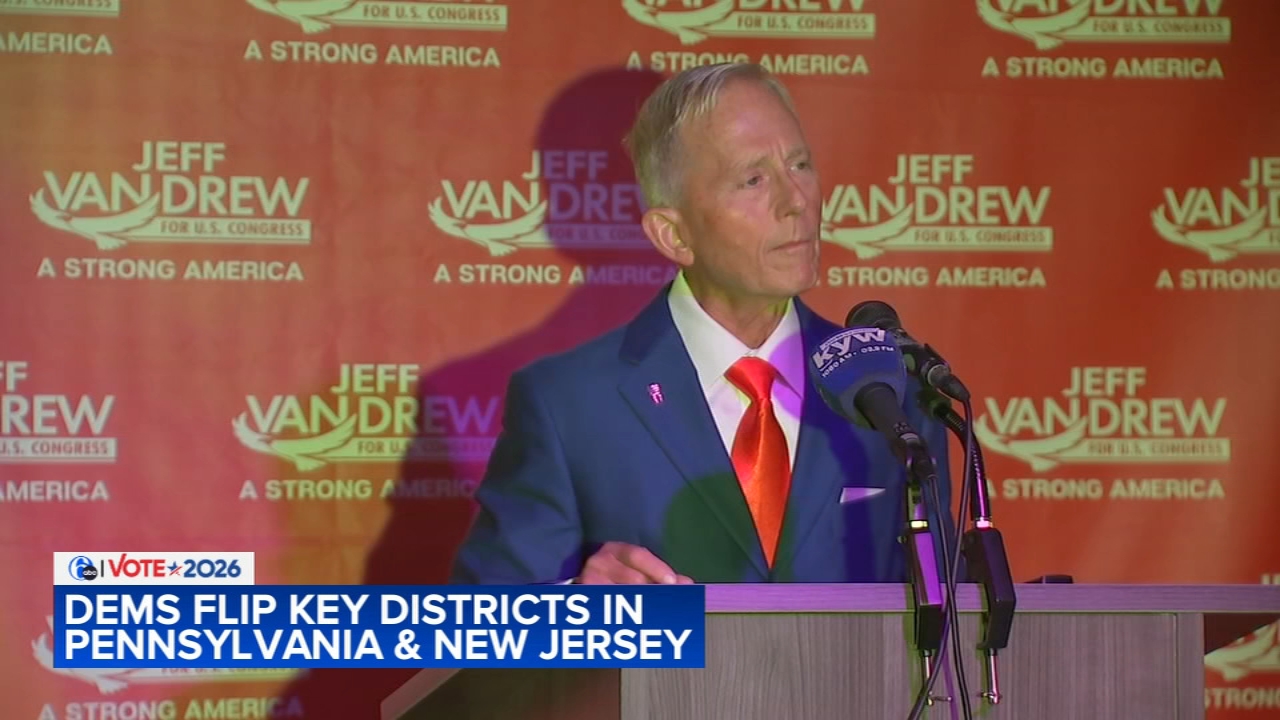
Shapiro also put campaign resources behind Democratic candidates in congressional and state legislative races, seeking to help his party win control of the U.S. House and secure a Democratic trifecta in Harrisburg. Those contests remained unresolved on election night.
The victory adds to speculation about a possible 2028 presidential campaign. Shapiro has downplayed that prospect, saying his focus is on Pennsylvania. In the closing weeks of the race, he launched a federal political action committee, which his campaign said would help congressional candidates in the state.
Shapiro’s Win Gives Democrats a Battleground-State Leader
Josh Shapiro’s decisive reelection in Pennsylvania gives Democrats a popular governor in a pivotal battleground and a leader who has made helping his party win up and down the ballot part of his campaign. Republican Stacy Garrity never mounted a close challenge, while Shapiro used his resources to support congressional and state legislative candidates.
Shapiro campaigned on investments in public education, law enforcement staffing and job creation, and on continuing free school breakfasts. His second-term goals include raising the minimum wage and writing abortion rights into state law. The result gives him another opportunity to press an agenda he says has waited too long.
Garrity offered a different course, including a pause on data center development and expanded school choice. Shapiro rejected a 2023 expansion of private-school vouchers and emphasized local control over data center siting. Their contest also exposed the divide between his approach and Garrity’s calls for tax cuts.
The stakes extend beyond Harrisburg: Shapiro backed Democrats seeking congressional seats and control of the state legislature, though those contests were still unresolved on election night. His victory also adds fuel to speculation about 2028. He has said his attention is on Pennsylvania, even as a new federal political action committee gives him a way to support congressional candidates.
Shapiro Wins Easily as Garrity’s Fiscal Challenge Falls Short
Shapiro’s reelection leaves Pennsylvania Republicans facing another four years of a governor who defended using state reserves to address budget gaps and opposed a 2023 expansion of private-school vouchers. Garrity challenged his fiscal choices and offered voters a sharply different direction, but her campaign never closed the wide polling and fundraising gap.
The Republican state treasurer called for reducing Pennsylvania’s personal income tax, eliminating its inheritance tax and cutting or ending the gross receipts tax on utilities. She also favored a pause on new data center development and expanding school choice. Shapiro instead defended investing state funds and emphasized local control over data center siting.
Shapiro’s victory also strengthens his hand in pushing for Democratic gains in congressional and state legislative races. He put campaign money behind those efforts, seeking a Democratic trifecta in Harrisburg and gains in the U.S. House; those contests remained unresolved on election night. A governor’s race win does not settle the debate over his spending priorities or the policies Garrity put forward.
Shapiro’s national profile is also growing as speculation continues about a 2028 presidential bid. He has said he is focused on Pennsylvania, while launching a federal political action committee that his campaign said would help congressional candidates in the state.
Reported by NBC News, FOX 29 Philadelphia, WTOP, The Washington Examiner, 6abc Philadelphia, CNN, Breitbart, PBS NewsHour, ABC News.