Voting glitches fuel fraud claims before polls close
Election Day voting was only hours underway on November 3 when claims of widespread fraud began circulating online. The posts followed several voting disruptions, including a ballot-scanner problem in Westchester County, New York, where Republican Rep. Mike Lawler was seeking reelection against Democrat Cait Conley.
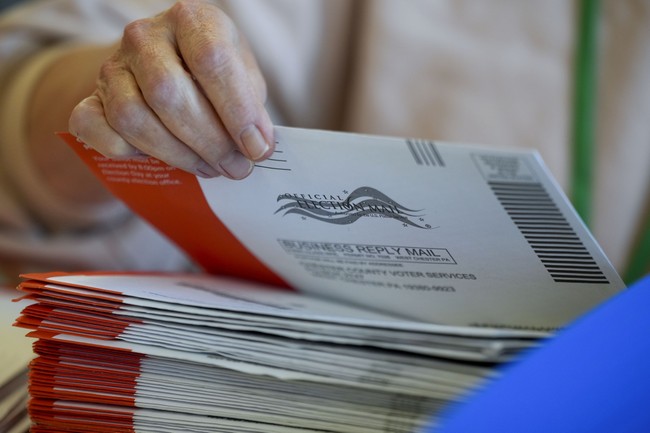
Westchester officials said a programming update made after voting equipment had been prepared and tested left most scanners unable to recognize Election Day ballots. Voting continued, but affected ballots had to be kept in secure backup containers until they could be counted. Officials said the issue delayed counting, not the accurate tabulation of votes. Lawler told voters there were “no shenanigans” and said every ballot would be counted.
The equipment problem quickly prompted online allegations that Democrats were trying to suppress Republican votes. Election officials gave no indication that the breakdown was deliberate. New York officials said they were working to restore scanning at polling places, and the Republican National Committee said it was seeking a joint court order with Democrats for centralized ballot tabulation.
Other disruptions included polling-place moves because of flooding in Florida, temporary closures after power outages in Arizona’s Maricopa County, and technical difficulties in Florida’s Broward County that were quickly resolved. In Georgia’s Fulton County, officials said voters said they got misleading messages claiming polling locations had changed; it was unclear who sent them or whether they were intended to mislead voters.
Online election rumors spread rapidly as these issues emerged. Researchers tracking election-related posts on X counted about 150 posts a minute discussing the Westchester scanners shortly after 10 a.m. Eastern time, often with conspiratorial framing. Officials said Westchester’s ballots would be counted.
False fraud claims turn voting glitches into political weapons
As Election Day voting began on November 3, online voices turned a scanner breakdown in Westchester County, New York, into claims that Democrats were stealing votes. Officials said the machines had outdated programming after a later update, and the problem stopped them from accepting ballots—not from counting votes accurately. Ballots were put in secure backup containers until they could be counted, and voting continued.
Republican Rep. Mike Lawler, whose reelection race was underway, said there were “no shenanigans” and that every ballot would be counted. Yet fraud allegations spread rapidly, even though officials gave no indication that the malfunction was engineered to hurt either party. Researchers tracking election posts on X counted about 150 Westchester-related posts a minute shortly after 10 a.m. Eastern time, often framed as conspiracy.
The episode came amid other disruptions: flooding forced polling-place moves in Florida, power outages temporarily closed some locations in Arizona’s Maricopa County, and technical issues in Florida’s Broward County were quickly resolved. Georgia officials also said voters reported false texts about polling-place changes, though who sent them and whether they aimed to deceive voters remained unclear.
The stakes are clear: routine administrative failures can become fuel for claims that elections are illegitimate. New York officials worked to restore ballot scanning, while the Republican National Committee said it was seeking a joint court order with Democrats for centralized tabulation. Westchester officials said ballots would be counted.
Voting failures demand answers, not instant dismissal
Election Day brought real problems for voters on November 3: Westchester County, New York, had ballot scanners that would not accept ballots, flooding forced polling-place moves in Florida, and power outages temporarily closed locations in Arizona’s Maricopa County. Those failures deserve clear explanations and accountability, not a rush to treat every concern as proof of a conspiracy.
Westchester officials said most machines had outdated programming after an update made after equipment was prepared and tested. Ballots were stored in secure backup containers until they could be counted, and officials said the issue delayed counting rather than causing votes to be tallied incorrectly. Republican Rep. Mike Lawler said there were “no shenanigans” and assured voters every ballot would be counted.
The episode nonetheless drew accusations of Democratic cheating, despite no credible evidence of deliberate interference. The scale of the online reaction was striking: researchers counted about 150 posts per minute about the scanners shortly after 10 a.m. Eastern time, often with conspiratorial framing. That volume does not establish wrongdoing, but election officials’ explanations and follow-through matter when voting systems fail.
Other concerns included quickly resolved technical difficulties in Florida’s Broward County and reports in Georgia’s Fulton County of false texts about polling-place changes. Officials said they did not know who sent the texts or whether they were intended to mislead voters. New York officials worked to restore scanning, and the Republican National Committee said it was seeking a joint court order with Democrats for centralized ballot tabulation.
Reported by Wired, The Philadelphia Inquirer.