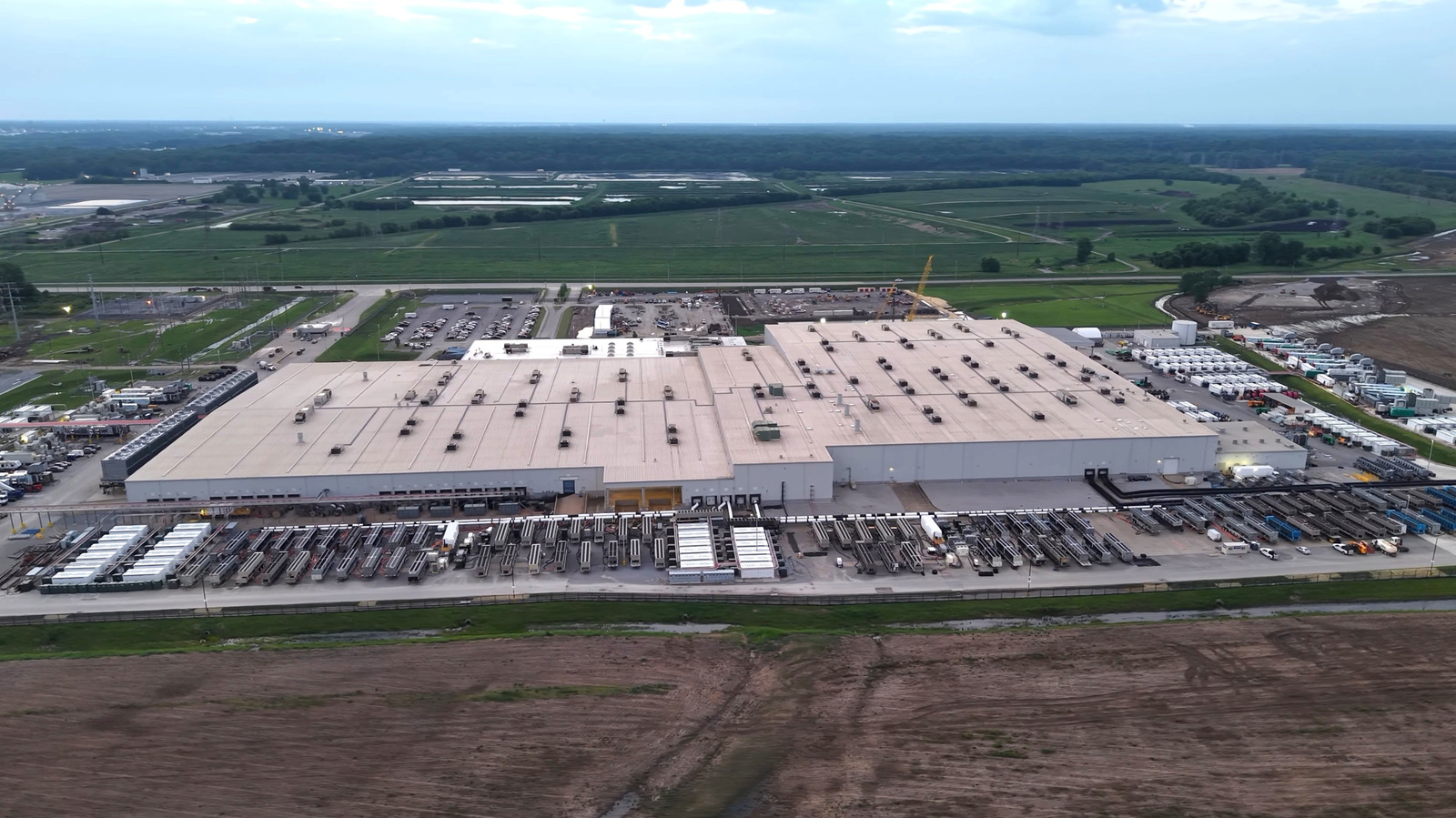
xAI Uses Converted Jet Engines to Power Memphis Data Center
The eight units, made by Missouri-based ProEnergy, are built around refurbished aircraft-engine cores and are each rated at 50 megawatts. The engines, once used in Boeing 747s, have been converted to burn natural gas. xAI’s Southaven power plant is intended to supply electricity to Colossus 2, just across the state line in Memphis.
The installation reflects a broader push by data center companies to generate their own electricity as grid connections and new power equipment take years to secure. An analyst told the New York Times that converted engines can help a data center come online faster. The International Energy Agency estimates that connecting 100 megawatts to the grid in Northern Virginia takes about seven years.
The units are covered by a state air permit issued March 11. The NAACP and two local organizations are challenging the permit, arguing that regulators should have required pollution offsets. The permit allows higher limits for carbon monoxide and smog-forming volatile organic compounds than those set for 33 other turbines at the plant. In another case brought by the NAACP, a federal judge allowed the lawsuit to proceed on October 30; it concerns temporary turbines at the site, not these eight units.
Converted jet engines are less efficient and emit more pollution than turbines typically used at gas-fired power stations, and more units are needed to generate equivalent power. The Trump administration has urged major technology companies to provide their own electricity, and xAI signed a pledge committing to build, bring or buy new generation and pay for needed grid upgrades. The Justice Department intervened to oppose the NAACP’s separate lawsuit.
xAI’s Jet-Engine Power Plan Raises Pollution Concerns
xAI is turning refurbished aircraft engines into a power source for its Colossus 2 data center, but the speed of the AI buildout is bringing a pollution dispute with it. Eight ProEnergy units, each rated at 50 megawatts, are installed at the company’s Southaven, Mississippi, power plant.
The NAACP, along with two community organizations, is contesting the state air permit. They argue regulators should have required pollution offsets, while the permit allows the units higher carbon monoxide and smog-forming volatile organic compound limits than 33 other turbines at the plant. The Southern Environmental Law Center cited a study finding that fine-particle emissions from the facility could increase health dangers for families in the surrounding area.
The distinction between the permit challenge and another legal case matters: a federal judge allowed a separate NAACP lawsuit to proceed on October 30, but that case concerns temporary turbines, not these eight converted units. The Justice Department intervened in that case to oppose the NAACP’s suit.
The engines can help companies get power sooner while grid connections lag, but they are less efficient and emit more pollution than turbines typically used at gas-fired power stations. xAI has pledged to build, bring or buy new generation and pay for grid upgrades. That commitment does not resolve the core local question: whether the power needed for AI should come with higher emissions limits and added health risks for nearby residents.
Converted Jet Engines Help xAI Beat the Data Center Power Bottleneck
The AI race depends on electricity, and xAI is using refurbished jet engines to get it. Eight ProEnergy units, each rated at 50 megawatts, are installed at the company’s Southaven, Mississippi, power plant to support its Colossus 2 data center in Memphis.
The choice reflects a practical problem: grid connections can take years. In Northern Virginia, adding 100 megawatts to the grid takes roughly seven years, the International Energy Agency estimates. Converted engines can help data centers start operating sooner, and the Trump administration has encouraged major technology companies to provide their own power rather than push costs onto other customers.
xAI signed a pledge to build, bring or buy new generation and pay for grid upgrades. Supporters of on-site power say it can reduce the need for new transmission and make better use of existing infrastructure. The engines burn natural gas, and the state issued their air permit on March 11.
The NAACP, together with two local organizations, is challenging the permit, arguing regulators should have required pollution offsets. The permit sets higher limits for some pollutants than those applied to 33 other turbines at the site. Converted aircraft engines are less efficient and release more pollution than turbines commonly used at gas-fired power stations, but the power crunch makes speed a central consideration. A separate lawsuit, opposed by the Justice Department, concerns temporary turbines rather than these eight units.
Reported by The Daily Caller, TechCrunch.