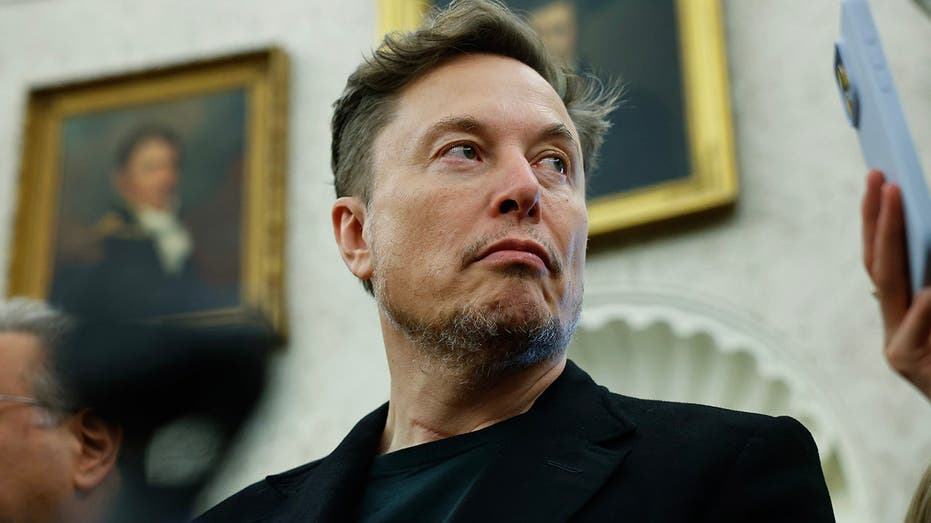
Musk Turns to Orbital Data Centers After Democratic Midterm Wins
Elon Musk pointed to space as an attractive place for data centers on November 4, following Democratic victories in the midterm elections. Opposition to the facilities featured in campaigns across the country, including in Texas, a major data center hub where Democratic candidates won state and congressional races.
The debate centers on local impacts and the United States’ ability to compete in artificial intelligence. Some Democratic lawmakers have called for a pause on new construction or proposed giving communities a greater say. President Donald Trump and House Speaker Mike Johnson have argued that restrictions could weaken the country’s position relative to China. Trump has also urged developers to offer local residents a financial benefit and said large data centers should generate their own electricity.
Musk’s companies are already pursuing computing projects on Earth and in orbit. His AI company, xAI, operates two large supercomputers in Memphis and has acquired a third site in Mississippi. SpaceX has asked the Federal Communications Commission for permission to launch as many as one million solar-powered satellites that could serve as orbital data centers. Musk has predicted that space will become the least expensive location for AI computing within 30 to 36 months.
Other companies are exploring the idea, but building data centers in orbit faces substantial challenges. They cost more than land-based facilities, are difficult to expand to hyperscale, and depend on satellite launches. In Texas, changes to data center oversight could also face limits: Republicans retain control of the state Senate, and developers have protections once permits are approved. The next legislative season could bring proposals to give counties more authority over the facilities.
Voters Put Data Center Expansion Under New Scrutiny
The midterm results put data center expansion squarely in the political spotlight on November 4. Democratic candidates who opposed the industry won races across the country, including in Texas, where the facilities have become a major issue. Musk’s suggestion that data centers could move into space underscores how the industry may look beyond communities rather than address their concerns.
Democratic lawmakers have proposed a national construction pause and measures that would give communities a say in whether to host data centers. In Texas, a new administration could use executive orders or oversight agencies to affect enforcement, while lawmakers could consider giving counties limited zoning authority. Those possibilities matter because many Texas facilities sit beyond city zoning rules.
The industry’s shift toward orbit is no simple solution. Orbital data centers are more costly than those on Earth, cannot readily reach hyperscale, and rely on successful satellite launches. SpaceX is seeking permission to launch as many as one million solar-powered satellites for computing, while Musk says space could become the cheapest place to run AI within 30 to 36 months.
Developers have strong protections once permits are approved, and the Republican-controlled Texas Senate could constrain near-term changes. But local opposition has already shaped the debate, and the coming legislative season may test whether the industry is willing to work with state and local leaders. Moving computing into orbit does not resolve the questions communities are raising about facilities on the ground.
Democratic Wins Put AI Infrastructure in the Political Crosshairs
Democratic victories on November 4 have intensified the fight over data centers, a key part of the infrastructure behind artificial intelligence. Musk’s turn toward orbital computing reflects the stakes: Democrats have backed proposals to halt construction or give communities new power over projects, while Republicans warn that restrictions could hand China an advantage.
President Donald Trump has urged developers to win local support and provide benefits to residents, and has said large facilities should produce their own electricity. House Speaker Mike Johnson has warned against a moratorium on AI development. Those concerns are especially relevant as companies race to build computing capacity on Earth and explore alternatives beyond it.
Musk’s xAI operates two supercomputers in Memphis, has secured another Mississippi site, and has sought an expansion. SpaceX has asked federal regulators to approve as many as one million solar-powered satellites that could function as data centers. Musk predicts that space will be the cheapest place to run AI within 30 to 36 months.
Orbital computing remains challenging: it is costlier than land-based facilities, difficult to scale to hyperscale, and dependent on launches. Yet the election also shows how local resistance can threaten infrastructure plans. In Texas, some oversight changes may be possible, but Republicans control the state Senate and developers have protections after permits are approved. The coming debate must balance community concerns against the need to keep building America’s AI capacity.
Reported by The Daily Wire, Wired.