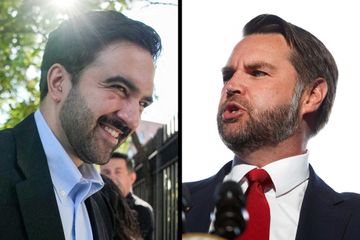
Billy Evans Addresses Cocaine Speculation and Holmes’ Social Media
Evans used a social-media Q&A on November 2 and 3 to respond to questions about You Can See Everything, Nathan Fielder’s documentary about Evans and imprisoned Theranos founder Elizabeth Holmes. He said he did not regret taking part and that he and Holmes had done no preparation before filming.
Asked about speculation that his frequent sniffing in the film indicated cocaine use, Evans said he had never liked the drug. He attributed the sniffles to illness while caring for two young children and to allergies in Austin, Texas. He also said weight gain reflected raising the children, depression, Holmes’ imprisonment and building a business.
The Q&A revisited Evans’ control of posts on Holmes’ social-media account. He said they had discussed the posts and that his power of attorney allowed him to act for her while she was incarcerated, but did not replace her consent. The film showed that Evans had posted on her account, which carried pro-Trump messages; Holmes previously said loved ones had helped manage it and that posts in her own words would be marked with her initials.
Evans rejected the idea that he controls Holmes, describing her as independent and saying they make decisions together. He also said he missed her and looked forward to holding their children with her after her release. The Q&A followed director Fielder’s account that communication with Evans had broken down during the film’s production. Evans also weighed in on the film’s portrayal of him, agreeing with a fan’s suggestion that Jonah Hill could have played him instead of Christopher Abbott.
Evans’ Q&A Revives Questions About Holmes’ Voice and Control
Billy Evans’ social-media Q&A offered a defense of his authority to post for Elizabeth Holmes while she is imprisoned, even as You Can See Everything has put that arrangement and his influence under scrutiny. Evans said Holmes knew what they were doing and that his power of attorney was a legal tool, not a replacement for her consent.
The stakes are clear: Holmes’ account carried pro-Trump messages, and she has said loved ones helped manage it during her incarceration. She also said posts written in her own words would be marked with her initials. Evans insisted he does not control Holmes and described their relationship as one between independent partners. The film, however, made his role in shaping her public presence a central point of tension.
Evans also pushed back on speculation about cocaine use prompted by his sniffing in the film, blaming illness while solo-parenting two toddlers and Austin allergies. He said he did not regret participating, though director Nathan Fielder has said the pair’s communication broke down during production.
The dispute is not just about a documentary’s portrayal. It concerns who speaks publicly for an incarcerated woman, and whether a legal mechanism and a partner’s assurances are enough to settle questions about her public voice.
Evans Defends His Role in Holmes’ Account and Their Partnership
Billy Evans used a social-media Q&A to push back against a documentary’s portrayal of him as a controlling presence in Elizabeth Holmes’ life. He said Holmes is fiercely independent, that they discuss everything, and that nothing he posted on her account happened behind her back.
Evans said his power of attorney gave him a legal way to act for Holmes while she is incarcerated, not permission to override her wishes. Holmes has also said loved ones helped manage her account and that posts written in her own words would carry her initials. The account had carried pro-Trump messages, a detail that has drawn attention to Evans’ political views and role in speaking for her.
He also rejected speculation that cocaine explained his frequent sniffing in You Can See Everything. Evans pointed instead to illness while caring for two young children and allergies in Austin. He said he did not regret taking part in the film, despite director Nathan Fielder’s account that communication broke down during production.
The documentary’s clashes over politics and its depiction of Evans have fueled the dispute. His response argues that viewers should distinguish a legal arrangement and a couple’s private understanding from the film’s dramatic portrait of him.
Reported by Variety, The Daily Beast.