Charles Expresses Sorrow Over Slave Trade in Commonwealth Speech
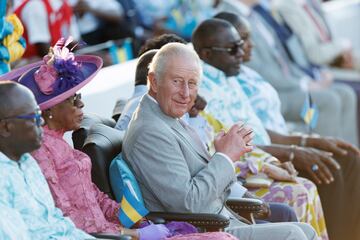
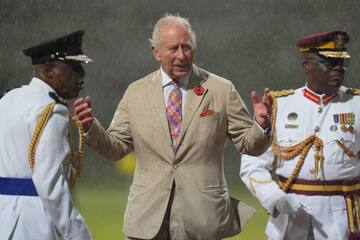
King Charles III said the transatlantic slave trade still affects Commonwealth nations and described it as a shameful chapter that fills him with horror and personal sorrow. He made the remarks on November 3 in Antigua and Barbuda, opening the Commonwealth gathering of government leaders without offering an apology.
Charles Acknowledges Slavery’s Harm but Offers No Apology
King Charles acknowledged the enduring shadow of the transatlantic slave trade at the Commonwealth leaders’ meeting in Antigua and Barbuda on November 3. But sorrowful words did not amount to an apology, even as protesters urged Britain to acknowledge the wrong and make repairs.
The King said the trade was a shameful chapter that filled him with horror and profound personal sorrow. He also said history’s actions cannot be changed, while calling for modern partnership to address past wrongs through education, jobs, trade and climate resilience.
That emphasis on future initiatives leaves the central demand unanswered. Antigua protester Shana Michelle said an apology would be a starting point for repair and argued that colonialism’s effects remain visible in how people speak about themselves.
British Prime Minister Andy Burnham has said he is open to discussing a formal apology but rejects reparations. Conservative leader Kemi Badenoch has also opposed an apology, arguing Britain’s role in ending the trade should shape the debate. Charles’s speech recognized the harm, but stopped short of the accountability protesters sought.
Charles Urges Commonwealth to Learn From History and Look Ahead
King Charles used his Commonwealth address in Antigua and Barbuda on November 3 to recognize the horrors of the transatlantic slave trade while arguing that history also records efforts to end it. The Royal Navy, he said, played a leading role in ending the international trade in enslaved people.
Charles called the trade a shameful chapter that still casts a shadow, and said it fills him with horror and personal sorrow. He did not apologize, instead urging the Commonwealth to learn from the past and work together on education, jobs, trade and climate resilience.
The speech comes amid calls for Britain to apologize and pay reparations. Burnham has said he is open to an apology but opposes reparations, while Conservative leader Kemi Badenoch has argued Britain should not apologize and should focus on the future. Charles’s emphasis on both historical wrongdoing and abolition reflects why the debate cannot be reduced to one part of the past.
Protesters outside the meeting called for reparatory justice. The King’s proposed response was practical cooperation among Commonwealth nations, not financial reparations.
Reported by Daily Mail US, The Philadelphia Inquirer, Newsweek, The Week.