Commonwealth leaders gather in Antigua amid global tensions
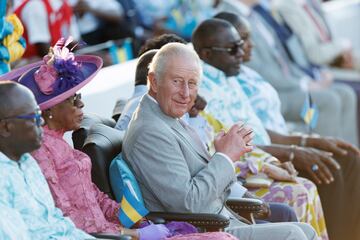
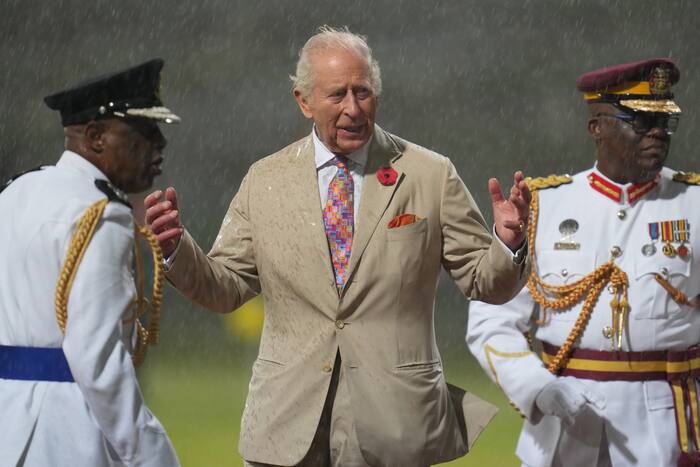
Leaders from the Commonwealth’s 56 member countries are gathering in Antigua for a summit focused on strengthening ties amid political and economic upheaval. The group represents about 2.7 billion people, and officials from Qatar, Kuwait, Bahrain, Brazil and the United Arab Emirates are also expected to attend. The meeting takes place every two years, and new agreements and pledges are expected.
Commonwealth Secretary-General Shirley Botchwey said the agenda includes conflict, rising costs, climate change and trade. Leaders will consider ways to attract investment and lower barriers to trade among member countries, as they seek to make their economies less exposed to tariffs and other external shocks. U.S. President Donald Trump’s import duties on trading partners have fluctuated amid legal challenges.
The organization is seeking support for a program to equip roughly 10 million young adults with digital skills. Officials are also likely to launch a fund assisting countries in moving from fossil fuels to renewable energy. Climate risks are a key concern: 49 Commonwealth countries border an ocean, amid worries about rising sea levels.
Slavery reparations are another issue some Caribbean leaders want discussed. British Prime Minister Andy Burnham has said he is open to expressing regret over Britain’s part in the trans-Atlantic slave trade, while rejecting reparations payments and proposing debt restructuring for poorer Commonwealth countries. Antigua and Barbuda reparations commission head Dorbrene O’Marde said an apology should include agreement to repair the harm.
The summit’s four-day program includes forums on business, women and young people. A civil society forum is expected to address climate justice, freedom of expression and support for vulnerable groups, including Indigenous people.
Commonwealth summit puts climate and slavery reparations in focus
The Commonwealth summit in Antigua is a test of whether leaders will answer the priorities of vulnerable communities with more than pledges. Caribbean leaders want slavery reparations discussed, while the gathering also considers climate risks, support for young people and barriers facing civil society.
British Prime Minister Andy Burnham has expressed openness to acknowledging Britain’s part in the trans-Atlantic slave trade, but has rejected reparations payments. His proposal for debt restructuring does not meet the demand voiced by Antigua and Barbuda reparations commission head Dorbrene O’Marde: an apology, he said, must mean agreement to repair the harm.
Climate policy is equally urgent for a region exposed to rising seas. Forty-nine Commonwealth countries border an ocean, and officials are expected to establish a fund to help countries move from fossil fuels to renewable energy. The group is also seeking contributions for digital skills training for about 10 million young adults.
Commonwealth leaders represent 2.7 billion people, and they will discuss trade barriers and ways to attract investment. Secretary-General Shirley Botchwey has pointed to tariffs and economic shocks as reasons to strengthen trade among member countries. But the summit’s credibility will rest on whether its proposals address the unequal burdens raised by Caribbean leaders and civil society, not simply on whether new funds are announced.
The four-day meeting includes forums on business, women and young people. A civil society representative expects climate justice, freedom of expression and the inclusion of Indigenous people to feature in discussions.
Commonwealth leaders weigh trade resilience and new commitments
The Commonwealth summit in Antigua opens with a practical challenge: how can member countries strengthen their economies amid trade shocks and global political turmoil? Leaders representing about 2.7 billion people are expected to consider ways to attract investment and lower barriers to trade within the 56-member group.
Secretary-General Shirley Botchwey has argued that stronger trade among member countries could reduce their exposure to events beyond the Commonwealth. U.S. President Donald Trump’s import duties have fluctuated amid legal challenges, and the summit’s focus on economic resilience reflects the pressure tariffs and rising costs can place on households.
Leaders are also considering new commitments, including a fund for digital skills training for about 10 million young adults. Officials are expected to set up a separate fund to assist countries making the shift from fossil fuels to renewable energy. With 49 Commonwealth nations bordering an ocean, climate risks and rising sea levels are also on the agenda.
Caribbean representatives are urging the gathering to take up slavery reparations. British Prime Minister Andy Burnham is open to acknowledging Britain’s part in the trans-Atlantic slave trade, but has rejected reparations payments and proposed debt restructuring for poorer member countries. That distinction matters: an apology and debt measures are not the same as reparations, which Antigua and Barbuda commission head Dorbrene O’Marde says should involve repairing the damage.
The four-day meeting also includes forums on business, women and young people. Civil society discussions are expected to cover climate justice, freedom of expression and ways to help organizations access financing.
Reported by KPRC 2 Click2Houston, The Philadelphia Inquirer.