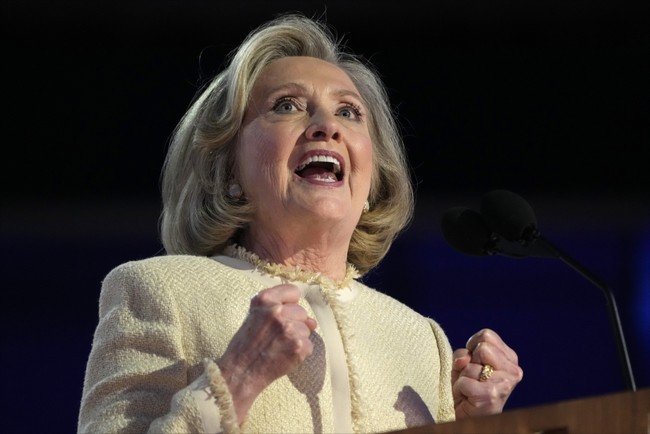
Clinton Raises Concerns About Midterm Election Interference
Clinton said President Donald Trump had tried to influence election administration through legal actions and threats, including litigation against states. She also warned that voters could face intimidation if immigration agents or others appeared near polling places. The program aired a day before voters went to the polls in the midterm elections.
Clinton said she and allies had conducted exercises to prepare for possible disruptions, and she referred to discussions with Rep. Joe Morelle, who was leading House Democrats’ response. She also warned that states could face pressure not to certify results and that Republican-led congressional investigations could follow.
Swisher raised concerns about the Justice Department, the U.S. Marshals Service and data she said might have been taken by Elon Musk’s team during its work with DOGE. Clinton repeated an allegation about Social Security data, while saying she did not know whether it had happened. The claims about possible election interference were not accompanied by evidence during the appearance.
Homeland Security officials had rejected the idea that federal agents would be deployed to intimidate voters. Statutes prohibit armed federal personnel from being present at voting sites. Clinton also appeared on CNN and discussed her 2016 debate with Trump, saying she had considered telling him not to intimidate her but worried that an angry response would be judged negatively.
Warnings About Voter Intimidation Deserve Serious Scrutiny
With voters heading to the polls, Clinton raised concerns about possible intimidation at polling places and efforts to disrupt the handling or certification of election results. She said Trump had used legal actions and threats over election administration, and warned that immigration agents or others might appear near polling sites in a way that could frighten voters.
Clinton said she and allies had run exercises to prepare for potential disruptions and had spoken with Rep. Joe Morelle, who was leading House Democrats’ response. She also cautioned that states could be pressed not to certify results and that congressional investigations could follow.
Swisher raised questions about the Justice Department, the U.S. Marshals Service and data linked to DOGE. Clinton repeated concerns about Social Security information, while acknowledging she did not know whether it had been taken. The allegations were not supported with evidence during the appearance, and Homeland Security officials rejected the suggestion that federal agents would be sent to intimidate voters. Statutes prohibit armed federal personnel from being present at voting sites.
Election safeguards matter precisely because voters must be able to cast ballots without fear and have results handled lawfully. Claims of potential interference warrant scrutiny, but the appearance offered no evidence that the scenarios discussed were occurring.
Clinton Floats Election Fears Before Votes Are Counted
Before a single midterm vote was counted, Clinton and Swisher aired a series of warnings about possible interference, from immigration agents near polling places to hacking and disputes over certification. The appearance offered no evidence for those scenarios, and Clinton acknowledged she did not know whether an allegation about Social Security data was true.
Clinton said Trump had tried to influence election administration through legal actions and threats. She also warned that states could be pressured not to certify results and that Republican-led congressional investigations could follow. Swisher questioned the role of federal prosecutors and the agency of U.S. marshals and raised concerns about data associated with DOGE.
Homeland Security officials rejected the idea that federal agents would be deployed to intimidate voters, and statutes prohibit armed federal personnel from being present at voting sites. That makes it especially important to distinguish documented facts from speculation when discussing election security.
Clinton’s warnings put potential misconduct in the spotlight before voters had even cast ballots. Raising possibilities without evidence risks making distrust of the outcome the story, rather than allowing the election process to play out.
Reported by Townhall, PJ Media.






