Aramco Profit Climbs as War Disrupts Oil Routes
Saudi Aramco’s third-quarter net profit increased to $36.3 billion from $26.9 billion a year earlier, the state-majority-owned oil company said on November 3. Excluding proceeds from selling its stake in Malaysian company PRefChem, profit rose 9% to $31.2 billion.
The company’s average oil selling price climbed to $95.20 a barrel from $70.10 a year earlier, while strong refining margins also contributed. Oil prices rose after the Iran war began in February, as supply disruptions and uncertainty pushed prices higher.
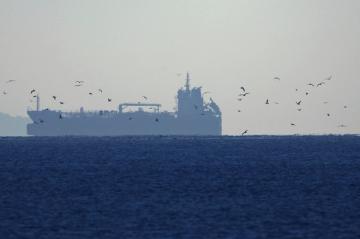
Aramco has continued exporting despite attacks and disruption around the Strait of Hormuz. It rerouted significant volumes through its East-West pipeline to Yanbu on the Red Sea after tanker traffic through Hormuz was put at risk. The pipeline was attacked on September 10 but has resumed operations. Saudi oil is also moving through Hormuz via a U.S.-protected corridor near Oman, while Houthi attacks on Aramco facilities have continued.
Production remained below prewar levels, but was higher than in the previous quarter. Aramco also increased shipments through the Red Sea and used more ship-to-ship transfers to move crude through Hormuz. Chief Executive Amin Nasser said the company aims to maximize production through year-end using all available routes.
Nasser said Aramco expects strong demand to continue for several years and that replenishing depleted global oil storage could take two years even if the war ended immediately. The company also increased its payouts, with most directed to Saudi authorities, a major source of government revenue as the kingdom pursues economic diversification.
Aramco’s War-Era Windfall Shows the Cost of Oil Disruption
Saudi Aramco’s third-quarter results show how conflict can deliver a windfall to an oil producer even as it endangers infrastructure and shipping. The state-majority-owned company said on November 3 that net profit rose 35% to $36.3 billion, helped by higher oil prices and a Malaysian stake sale. Without that sale, profit was up 9% to $31.2 billion.
Aramco received an average $95.20 a barrel, compared with $70.10 a year earlier. Prices jumped after the Iran war began in February, amid supply disruption and uncertainty. Higher refining margins added to earnings, and increased dividends will largely flow to the Saudi state.
But the profits came amid repeated threats to the routes and facilities that keep oil moving. Aramco relied on its East-West pipeline to Yanbu when Hormuz tanker traffic was disrupted; the pipeline itself was attacked on September 10 before flows resumed. Shipments have also continued through a U.S.-protected corridor near Oman despite attacks on facilities by Yemen’s Houthis.
Aramco is seeking to maximize production through year-end, using Red Sea shipments and riskier ship-to-ship transfers through Hormuz. CEO Amin Nasser said demand could remain strong for years and that replacing depleted global oil stocks could take two years even if the war ended now. The results underline the stakes of a strategy built around fossil-fuel exports: conflict can lift revenues, while leaving supply routes exposed.
Aramco Keeps Oil Moving Despite Attacks and War Disruption
Saudi Aramco’s results demonstrate the value of keeping energy flowing through a dangerous period. The company reported third-quarter net profit of $36.3 billion on November 3, up 35% from a year earlier. Excluding its PRefChem stake sale, profit rose 9% to $31.2 billion as its average oil selling price reached $95.20 a barrel.
The Iran war, which began in February, disrupted supply and pushed oil prices higher. Aramco nevertheless sustained significant exports by using its East-West pipeline to Yanbu when tanker traffic through the Strait of Hormuz faced risks. The pipeline was attacked on September 10 but has resumed flows, and Saudi oil is also passing through Hormuz via a U.S.-protected corridor near Oman.
The company has also faced attacks on facilities by Yemen’s Houthis. Production is still below prewar levels, but rose from the previous quarter as Aramco expanded Red Sea shipments and ship-to-ship transfers. CEO Amin Nasser said it plans to boost output until year-end using all available routes.
Higher earnings and increased dividends support the Saudi state, which relies on Aramco revenue while investing in economic diversification. Nasser said demand could remain buoyant for several years and that refilling depleted global oil storage could take two years even if the war ended immediately. The results make the case for reliable supply and resilient export routes, rather than treating continued production as the problem.
Reported by The Philadelphia Inquirer, Semafor.