Czech Public Media Workers Strike Over Funding Overhaul
Czech television and radio workers walked off the job on November 3 in protest at legislation that would replace regular fees paid by individuals, households and businesses with funding from the state budget. The proposal, led by Prime Minister Andrej Babiš, would leave the broadcasters with about 15% less money than they receive now.
Michal Kubal, Czech Television’s chief news editor, described the stoppage as unprecedented for the country’s public media. Television schedules were reduced to archived material and shorter news bulletins, while public radio played music, with a brief explanation of the strike and a minute of silence.
Workers and other critics say the funding change could expose editorial decisions to political pressure. They also warn that a smaller budget could bring layoffs, fewer productions and canceled programs. Media organizations including the European Federation of Journalists and Reporters Without Borders said the proposed model risks weakening editorial independence.
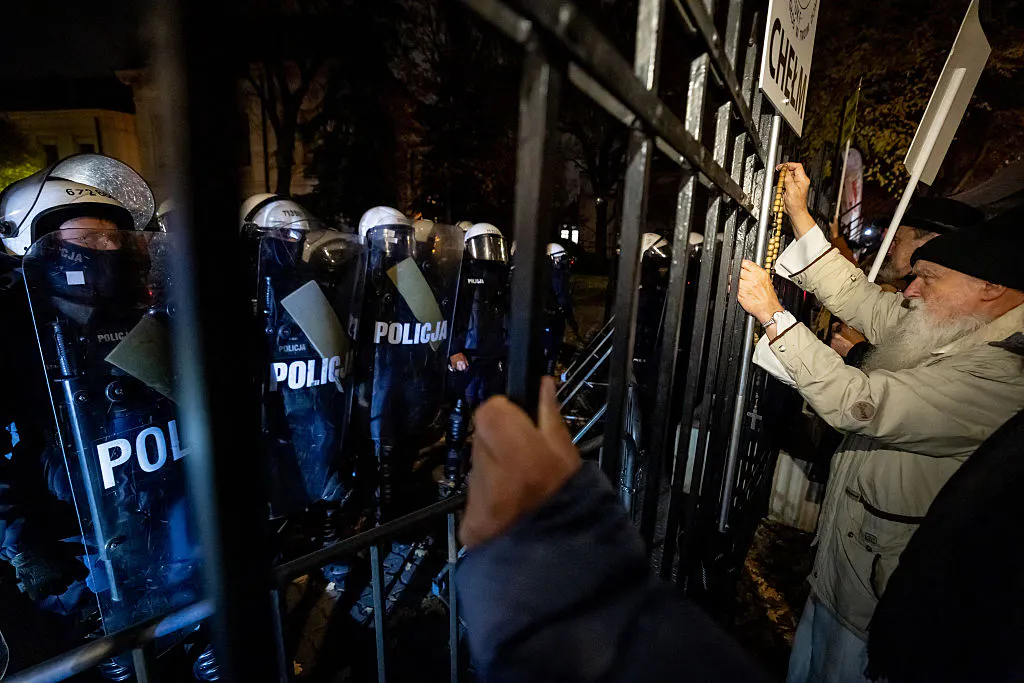
Thousands gathered at Prague’s Wenceslas Square to call for the legislation to be withdrawn and for a thorough, transparent public debate. The strike also had support from unions, university leaders, churches, artists, athletes and international media groups. Students marched in Prague and other cities before planned rallies.
The proposal has already prompted street protests in Prague. Another major demonstration is scheduled for November 15 at Letná park. Babiš’s governing coalition includes two smaller parties described as holding extremist views; their agenda includes reducing aid to Ukraine and rejecting some European Union policies.
Czech Media Strike Warns of Government Pressure on Newsrooms
Czech public media workers took a one-day stand on November 3 against a government proposal that would make broadcasters rely on state-budget allocations instead of regular fees. The plan would reduce their funding by about 15%, placing jobs, programming and editorial independence in jeopardy, critics say.
The warning is especially serious because the change would put public radio and television funding within the state budget. Critics argue that this creates a route for political pressure on newsrooms. A coalition of international media groups said the model threatens independent journalism.
The effects were visible during the strike: television aired archived material and shorter news bulletins, while radio broadcast music and a short explanation. Chief news editor Michal Kubal called the action unprecedented in Czech public-media history.
Thousands of people rallied in Prague’s Wenceslas Square, demanding withdrawal of the measure and an open, transparent debate. Unions, university leaders, churches, artists, athletes and media organizations backed the protest. Another large demonstration is planned for November 15.
The government’s proposal comes from Prime Minister Andrej Babiš’s coalition, which includes two smaller parties whose agendas include reducing support for Ukraine and opposing some EU policies. With public media’s independence at stake, critics see the funding shift as far more than a budget adjustment.
Czech Broadcasters Strike Against a State-Funded Model
Czech public media workers halted much of their output on November 3 to oppose a proposed change in how broadcasters are financed. The plan would replace regular fees paid by people, households and businesses with state-budget funding, cutting the broadcasters’ resources by about 15%.
That is a consequential change in a system supporting public television and radio, and it deserves scrutiny as a question of funding and public accountability. But the plan’s opponents have made the risk of political control the dominant argument, even as the proposal’s stated mechanics are a change in the source of financing.
The walkout sharply curtailed programming: television showed archived content and shorter news, while radio aired music and a brief statement. Thousands protested at Prague’s Wenceslas Square, calling for the legislation to be withdrawn and for a transparent public debate. Unions, universities, churches, artists, athletes and media groups also supported the strike.
The proposal is led by Prime Minister Andrej Babiš. Critics compare it with changes made under populist governments in Slovakia and Hungary, and say reduced funds could mean job losses and canceled programs. Those warnings should be weighed in the public debate, not treated as a substitute for examining how the funding plan would work.
A further major protest is scheduled in Prague for November 15.
Reported by The Philadelphia Inquirer, WTOP.