Southwest Floods Leave Communities Stranded and Water Crisis Unresolved
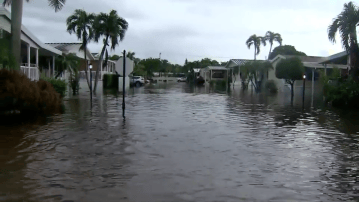
Rain was easing on November 2, but flood danger remained across parts of the Southwest after intense storms sent water through normally dry landscapes. Hundreds of people evacuated, rescue crews searched for stranded residents and officials warned that repairs and cleanup could take weeks. One person died in floodwaters; police said a second death might be weather-related, pending confirmation.
In Pagosa Springs, Colorado, the San Juan River rose to 16.81 feet on Sunday, flooding downtown before falling the next day. The water carried a house from its foundation into a pedestrian bridge and damaged a road bridge. Evacuation orders remained in place, while crews continued searches and rescues. Flooding also forced evacuations along New Mexico’s San Juan River and around Chama, which was cut off by road closures.
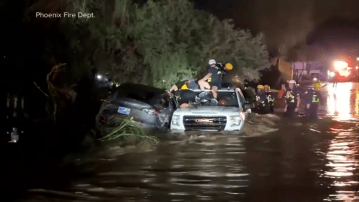
Arizona recorded heavy rainfall, including 7.3 inches over two days at Workman Creek and 5.15 inches in Flagstaff. In Flagstaff, authorities found the body of 73-year-old Williams Singavarapu after he was seen falling into a drainage tunnel. A second man was found dead in a drainage area. Flooding trapped residents in Sedona, washed out part of a highway and prompted swift-water rescues in Tucson. Arizona Gov. Katie Hobbs declared a statewide emergency.
The storms have raised reservoir levels but have not ended the Colorado River basin’s water shortage. Lake Powell rose nearly 16 feet from mid-September through October, yet remains below 26% capacity. The basin supplies water to 40 million people and farmland across seven states. Experts say a wet autumn does not guarantee the winter snowpack that typically provides most of the river’s flow; sustained precipitation and continued water-use cuts would be needed to rebuild supplies.
El Niño is contributing moisture to the storms, while climate change is intensifying rainfall and the swings between drought and flooding, hydrologists said. Floodwaters may bring more runoff to reservoirs, but the region’s longer-term water outlook still depends heavily on what happens this winter.
Southwest Floods Expose Climate Extremes and Water Insecurity
The Southwest’s floods are a stark warning about worsening climate extremes: communities faced dangerous torrents after a dry stretch, while the region’s essential reservoirs remain depleted. On November 2, rain began to clear, but flood risk persisted and officials said recovery could take weeks. One person died in floodwaters, and police were investigating a second possible weather-related death.
In Pagosa Springs, Colorado, the San Juan River flooded downtown, carried a home into a pedestrian bridge and damaged a road bridge. Evacuations and rescues continued. Other residents fled rising rivers in New Mexico and Colorado, while Arizona saw record rainfall, deaths in Flagstaff drainage areas, trapped residents in Sedona and rescues in Tucson.
The floodwater has not solved the basin’s underlying crisis. Lake Powell rose nearly 16 feet from mid-September through October, but remains less than 26% full. The Colorado River serves 40 million people and millions of acres of farmland. Experts say the region needs years of wet weather and ongoing reductions in water use to restore supplies; a rainy autumn does not promise the winter snowpack the river depends on.
Hydrologists said warming increases the moisture storms can carry and also dries soils and vegetation faster during drought. El Niño is adding moisture to this storm pattern, but the bigger lesson is that increasingly severe swings between drought and deluge are no substitute for reliable water planning. More rain may run off into reservoirs, yet it cannot erase the basin’s long-term shortfall.
Flood Damage Is Severe, but One Wet Fall Won’t Refill the West
The Southwest is dealing with dangerous flooding and costly damage, but the deluge is no quick fix for the region’s water supply. On November 2, rainfall was easing while flood risks remained, with officials warning that cleanup and repairs could take weeks. One person died in floodwaters, and police suspected a second death may be weather-related.
Pagosa Springs, Colorado, saw the San Juan River flood downtown, sweep a house into a pedestrian bridge and damage a road bridge. Evacuations and rescues continued there and elsewhere, including along rivers in New Mexico and Colorado. Arizona’s heavy rainfall led to flooding, deaths in drainage areas, washed-out roads and swift-water rescues. Gov. Katie Hobbs declared a statewide emergency.
The storms lifted Lake Powell nearly 16 feet between mid-September and the end of October, but the reservoir remains less than 26% full. The Colorado River basin supplies 40 million people and farmland across seven states. Experts say replenishing the reservoir would require years of rainy and snowy conditions alongside continued water-use cuts.
El Niño is contributing moisture to the storms, and hydrologists say climate change is intensifying rainfall and drought alike. But a wet autumn does not guarantee a snowy winter: snowmelt usually supplies roughly 80% of the river’s flow. The practical stakes remain clear—flooding can cause immediate harm, while the region still needs dependable water and sustained conservation to address its shortage.
Reported by The Philadelphia Inquirer, PBS NewsHour, The Boston Globe.