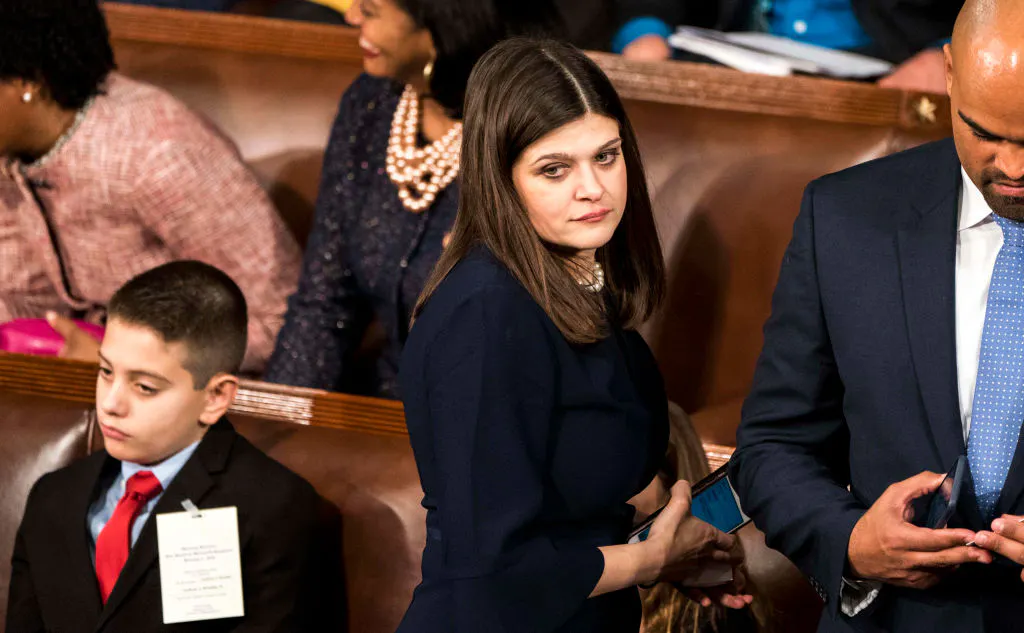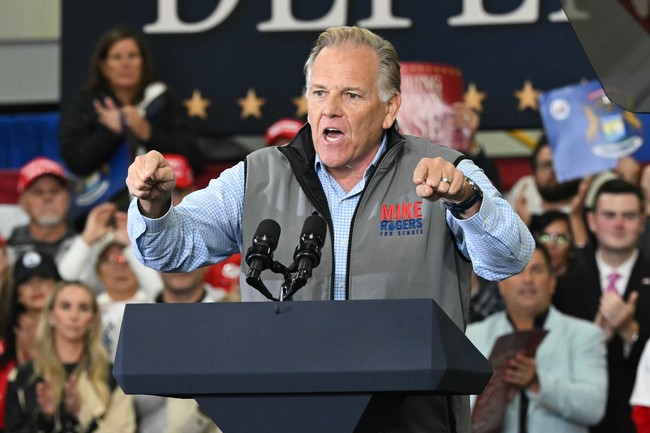
Stevens Endorses Rogers After Clash With El-Sayed Campaign
Stevens’ endorsement of Rogers followed a dispute with El-Sayed, a Democratic candidate whose campaign she said had not welcomed her. The dispute centered on her asking El-Sayed to condemn antisemitism; a social media post attributed a refusal and a request that she stay away from his campaign to him.
Hertel, chair of the Michigan Democratic Party, sharply rebuked Stevens over backing the Republican nominee. He framed the party as a place for serious political work, not what he called high school behavior.
The party’s response also included changes to Stevens’ presence in its materials. She lost access to the Michigan Democrats’ voter database, and her photograph was removed from the party website, according to information attributed to sources familiar with the changes.
The endorsement drew personal attacks from political commentator James Carville and podcaster Keith Olbermann. Carville used a degrading sexual comparison about how Republicans would view Stevens, while Olbermann described her conduct as a “vermin-like betrayal.” Their remarks prompted further criticism online.
Stevens’ move comes ahead of the November 3 election. El-Sayed and other Democrats have argued that her endorsement does not matter, while the party’s sharp response has kept the dispute in public view.
Stevens’ GOP Endorsement Fuels Democratic Infighting
Stevens’ endorsement of Rogers gives the Republican nominee support from a Democratic congresswoman, after Stevens said El-Sayed’s campaign had not welcomed her. The dispute followed her call for El-Sayed to condemn antisemitism; a social media post attributed a refusal and a request that she stay away from his campaign to him.
Curtis Hertel, who chairs the Michigan Democratic Party, rebuked Stevens, describing the conduct as beneath the seriousness expected in politics. The party also removed her photograph from its website, and she lost access to its voter database, according to information attributed to sources familiar with the changes.
That reaction has made a disagreement over an endorsement a visible party fight just days before voting. Democrats have said Stevens’ decision does not matter, but the public reprimand and changes to her party access give the clash a higher profile.
The dispute has also drawn personal attacks from political figures. James Carville used a degrading sexual comparison about Stevens, while Keith Olbermann called her conduct a “vermin-like betrayal.” Those remarks drew criticism online and further shifted attention from the candidates to the party’s treatment of one of its own members.
Democrats Punish Stevens After She Backs Republican Rogers
Haley Stevens’ endorsement of Republican Senate nominee Mike Rogers has exposed the intolerance of a party that says her decision does not matter. Stevens said she was unwelcome in Abdul El-Sayed’s campaign after asking him to condemn antisemitism; a social media post attributed a refusal and a request that she stay away to El-Sayed.
Michigan Democratic Party Chair Curtis Hertel responded with a sharp rebuke. Stevens also lost access to the party’s voter database, and her photo was removed from its website, according to information attributed to sources familiar with the changes. That is a consequential response to a congresswoman publicly breaking with her party’s preferred candidate.
The backlash extended beyond party officials. James Carville used a degrading sexual comparison about Stevens, and Keith Olbermann called her conduct a “vermin-like betrayal.” Those attacks prompted online criticism and made the party’s reaction part of the story.
Democrats have said Stevens’ endorsement does not matter, yet their criticism and the changes to her party profile have kept the conflict alive just before voting on November 3. The episode puts the party’s treatment of dissent alongside its claims that the endorsement has no effect.