Dingell Calls Stevens’ Defense of Rogers Endorsement Painful
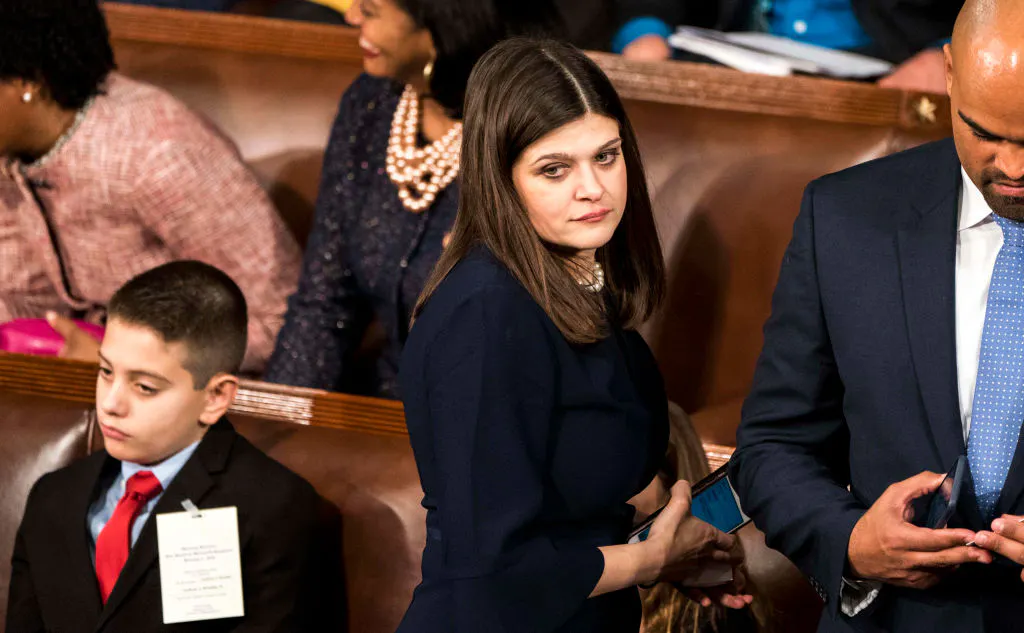
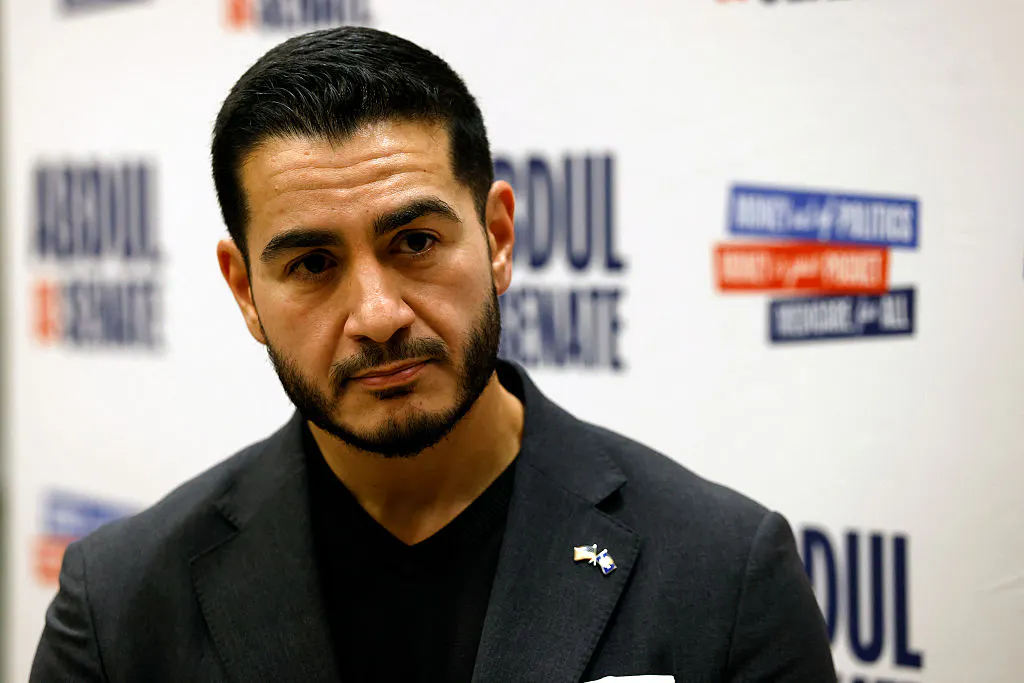
Stevens appeared on CNN with Anderson Cooper on November 1 to explain her decision to endorse Rogers over fellow Democrat Abdulrahman Mohamed El-Sayed in Michigan’s Senate race. Dingell, also a Michigan Democrat, went on the program after Stevens and said the interview had been painful to watch. She said she had been worried about Stevens and had spoken with her several times.
Dingell said the dispute was becoming a distraction while Michigan residents were concerned about grocery prices, mortgage payments and fuel costs. She also said she was tired of campaign advertisements from all sides.
She argued the endorsement could backfire, saying El-Sayed had raised more than $1 million that day and that she had heard of increased turnout and lines on the final day of early voting. Dingell said Black voters were angry about others claiming to speak for them. She added that she thought El-Sayed would win earlier in the day, but had sensed a shift and expected a close race.
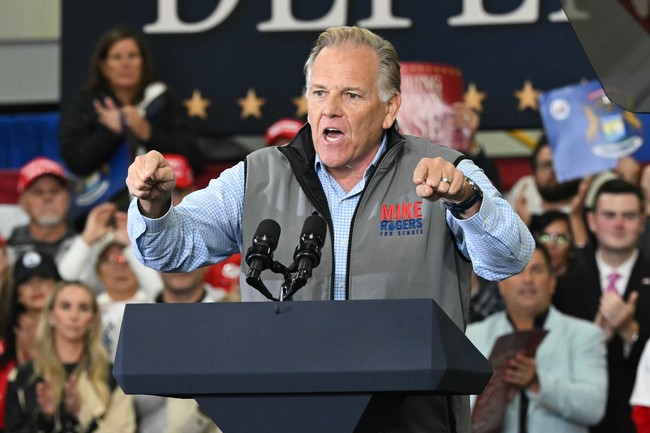
Rogers praised Stevens’ endorsement in a social media post, describing it as courageous and saying she was putting Michigan first. President Donald Trump also praised her in a Truth Social post, calling the endorsement brave and highlighting her standing with Michigan voters.
Stevens narrowly lost the Democratic primary to El-Sayed, Trump wrote. The Senate contest was still underway, with Dingell saying she expected it to be close.
Dingell Warns Stevens’ Rogers Endorsement Could Backfire
A prominent Michigan Democrat’s endorsement of Republican Senate candidate Mike Rogers drew a sharp rebuke from Rep. Debbie Dingell on November 1. After Stevens defended her decision in a CNN interview, Dingell called the appearance painful to watch and said the controversy was taking attention from families worried about groceries, mortgage payments and gas.
Dingell said Stevens was a human being she had worried about and spoken with. She also warned that the endorsement could backfire for Rogers’ Democratic opponent, Abdulrahman Mohamed El-Sayed. Dingell said El-Sayed had raised more than $1 million that day and described increased turnout and lines on the final day of early voting.
She said Black voters were angry about others speaking for them. Though she had thought El-Sayed would win earlier in the day, Dingell said she sensed a shift and expected a close contest.
Rogers praised Stevens’ decision as courageous and said she was putting Michigan first. President Donald Trump also celebrated the endorsement, calling it brave. Their praise does not answer Dingell’s central concern: that a high-profile break with her party is intensifying division and distracting from voters’ economic concerns as the Senate race remains close.
Stevens’ Michigan Endorsement Draws Praise, Party Backlash
Haley Stevens took a stand in Michigan’s Senate race by endorsing Republican Mike Rogers, and President Donald Trump praised her for it. On November 1, Stevens defended the decision on CNN; fellow Democrat Debbie Dingell followed her on the program and criticized the interview as painful to watch.
Dingell said she was worried about Stevens and had spoken with her. She also argued the endorsement was becoming a distraction from concerns about grocery prices, mortgage payments and gas. For voters focused on those everyday pressures, Dingell said, campaign disputes and advertisements from all sides were unwelcome.
Dingell warned that the endorsement could backfire for Rogers’ Democratic rival, Abdulrahman Mohamed El-Sayed. She said El-Sayed had raised more than $1 million that day and cited reports of increased turnout and lines on the final day of early voting. She said she sensed a shift in the race and expected a close contest.
Rogers praised Stevens for joining his campaign, while Trump called her decision courageous and cited her standing among Michigan voters. Stevens had narrowly lost the Democratic primary to El-Sayed, Trump wrote. The contrast is clear: Stevens has chosen to support Rogers, while Dingell says the move risks deepening divisions and distracting from voters’ concerns.
Reported by CNN, Breitbart, Townhall.