DOJ Reviews Lewiston Voting Footage After Assistance Allegations
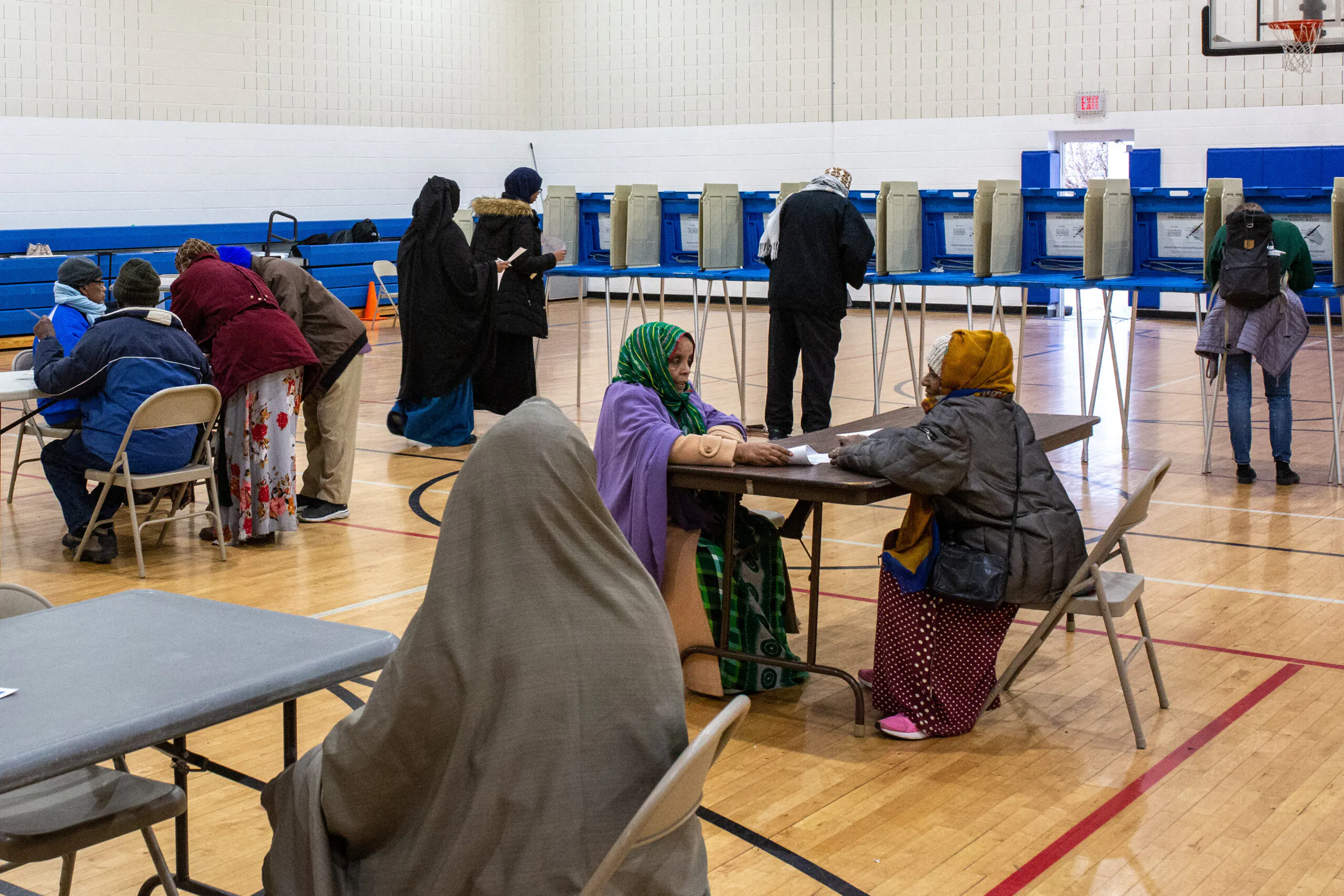
The surveillance videos were recorded during early in-person voting, which began at City Hall on October 13. The footage is said to cover 140 hours and more than 200 Somali voters receiving assistance. Some clips appear to show aides helping voters with ballots, prompting allegations that they may have gone beyond interpreting or other permitted help.
U.S. Attorney for Maine Andrew Benson said federal authorities review evidence related to reported efforts to intimidate voters and disrupt elections, among them the Lewiston video. He said the office would work with Maine’s attorney general and secretary of state to protect election integrity. A Justice Department spokesperson confirmed an investigation is underway and declined to provide further details.
Maine law allows voters who cannot read or mark a ballot because of a disability, difficulty reading, or religious belief to ask for help. An aide may read or mark a ballot as the voter directs, but cannot guide the voter’s decisions or otherwise affect how they vote. Whether any particular interaction breached those limits has not been established by the footage alone.
The video emerged during early voting ahead of the November 3 election. Maine is also holding a closely watched Senate race between Republican Susan Collins and Democrat Troy Jackson. The federal review comes as the Justice Department pursues other cases involving alleged illegal voting and voter registration.
Protect Voters’ Access While Investigating Lewiston Allegations
A federal investigation into alleged interference at Lewiston City Hall should establish what happened without turning lawful help for voters into a pretext for suspicion. The footage covers early voting and shows Somali voters receiving assistance, but the available facts do not establish that any particular voter was pressured or that the law was broken.
Maine permits voters who cannot read or mark a ballot because of disability, illiteracy or religious faith to request help. Aides may read or mark ballots at voters’ direction, while being barred from steering choices. That distinction matters: access to voting and protection against coercion must both be upheld.
U.S. Attorney Andrew Benson said authorities are reviewing the video alongside complaints of voter intimidation and election interference. The Justice Department confirmed an ongoing investigation but offered no further details. Officials should base any conclusions on evidence about specific interactions, not on the voters’ Somali identity or use of assistance.
The review is taking place before the November 3 election, amid a tight Senate contest between Republican Susan Collins and Democrat Troy Jackson. Election integrity matters, but so does ensuring that accusations do not cast a cloud over eligible voters who are using assistance the law allows.
Federal Review Must Determine Whether Lewiston Ballot Rules Were Broken
The footage from Lewiston raises a serious question: whether people assisting voters respected Maine’s limits on ballot help. Maine allows help when a voter asks because they cannot read or mark a ballot, but aides may not direct a voter’s decisions or otherwise affect how they vote. Those safeguards are essential to a trustworthy election.
The videos are said to span 140 hours and show more than 200 Somali voters receiving assistance at City Hall. Some clips appear to show aides helping with ballots. That appearance is not a final finding, but it warrants a careful examination of whether assistance remained under voters’ control.
U.S. Attorney Andrew Benson confirmed federal authorities are reviewing the footage as part of their work on complaints of voter intimidation and election interference. The Justice Department says the investigation is ongoing. Authorities should determine the facts and apply the same election rules to everyone.
The review comes before the November 3 election, with Republican Susan Collins and Democrat Troy Jackson locked in a close Senate race. Protecting voting access is important; so is enforcing the rules that prevent assistance from becoming influence.
Reported by The Daily Wire, Breitbart.