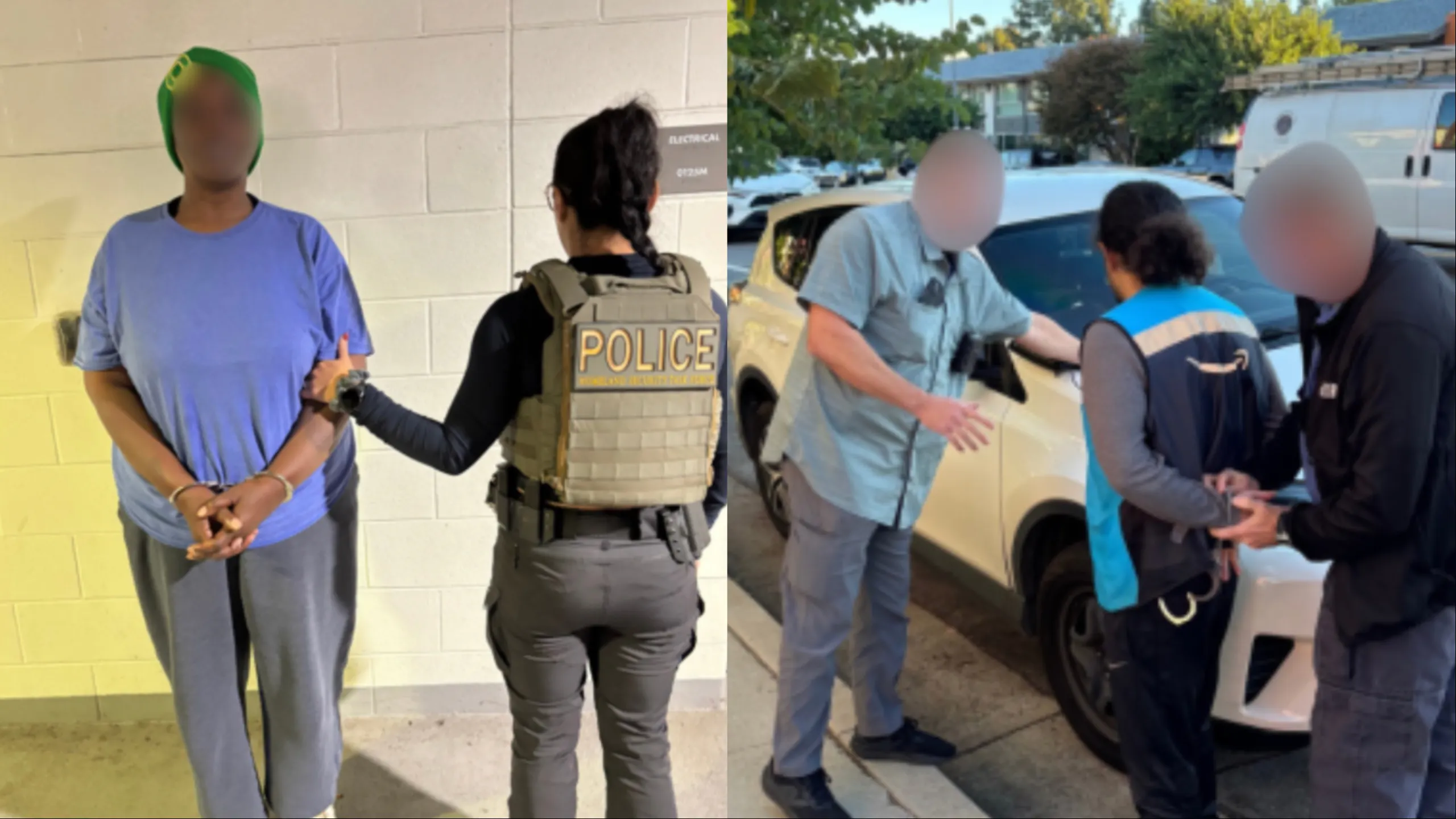
DOJ Charges 63 in Election Cases Before Midterms
The Justice Department announced the charges on November 2, saying the defendants were accused of offenses including voting illegally, submitting fraudulent voter registrations and falsely claiming U.S. citizenship. Four were identified as immigrants living in the country illegally; most of the defendants were described as lawful permanent residents, who cannot vote in federal elections. Charges are allegations, not convictions.
North Carolina had the largest number of cases, with 18 defendants, followed by California with 12 and Tennessee with seven. Texas and Pennsylvania each had five. The remaining cases were spread across 10 states.
The department said 195 noncitizens had been charged across 25 states during the previous nine weeks, and that 239 people had faced voting-fraud-related charges since the administration took office. Attorney General Todd Blanche called the latest cases an unprecedented increase in voter-fraud arrests since Donald Trump’s return to the presidency and said the department would continue investigating and prosecuting such cases.
Some defendants are accused of voting in multiple elections. Prosecutors allege that Elizabeth Margaret Crudup, a Kenyan citizen who holds permanent residency in North Carolina, voted in nine general elections and nine primaries. Gregory Eugene Wade, a Bermudan national and green card holder, is accused of voting in 12 general elections through 2024 and two primaries.
The announcement came as the administration’s election-integrity efforts faced scrutiny over the scale and timing of the cases. Election experts and voting-rights advocates have described noncitizen voting as rare; a Heritage Foundation database recorded 24 cases from 2003 through 2023. The Justice Department planned to place election monitors in all 50 states for Election Day on November 3.
Election Charges Announced on Midterm Eve Raise Questions About Scale
The Justice Department’s announcement of 63 election-related charges landed on the eve of the November 3 midterms, putting alleged noncitizen voting at the center of the final hours before voters went to the polls. The cases involve accusations, not convictions, and most defendants were described as lawful permanent residents; four were identified as living in the country illegally.
The department said 195 noncitizens had been charged across 25 states over nine weeks and 239 people had faced voting-fraud-related charges since the administration took office. Attorney General Todd Blanche called the cases an unprecedented increase in voter-fraud arrests since Donald Trump returned to the presidency. But the department’s release offered no historical comparison to support that description.
That distinction matters in a debate where the numbers can be presented as proof of a widespread threat. Election experts and voting-rights advocates have long said noncitizen voting is rare, and the Heritage Foundation’s database recorded 24 cases from 2003 through 2023. The cases announced by DOJ do not, by themselves, establish the scale of the problem nationwide.
The administration has made election integrity a priority and pushed a bill that would have made citizenship documents mandatory for participation in federal voting. The measure failed to advance in the Republican-controlled Senate. Meanwhile, DOJ said election monitors would be present in all 50 states on November 3. The focus on prosecutions just before voting underscores the stakes of distinguishing allegations from proven misconduct.
DOJ Steps Up Enforcement Against Alleged Illegal Voting
With the midterms approaching, the Justice Department announced charges against 63 people in 15 states accused of illegal voting, deceptive voter enrollment and misrepresenting U.S. citizenship. The cases put enforcement of federal voting laws in sharp focus: lawful permanent residents may live and work in the United States, but they cannot vote in federal elections.
The department said 195 noncitizens had been charged across 25 states in the previous nine weeks and 239 people had faced voting-fraud-related charges since the administration took office. Attorney General Todd Blanche said the department would continue pursuing voter-fraud cases to help rebuild confidence in elections.
Some allegations involve repeated participation in elections. Prosecutors accuse North Carolina resident Elizabeth Margaret Crudup of casting ballots in nine general-election cycles and nine primary contests. Gregory Eugene Wade is accused of voting in 12 general elections through 2024 and two primaries. The charges remain allegations, and defendants are presumed innocent unless proved guilty.
The cases come as the Trump administration has prioritized election integrity and sought a federal requirement for proof of citizenship to vote. That bill did not pass the Republican-controlled Senate, leaving enforcement actions among the administration’s tools to address alleged violations. DOJ said it would deploy election monitors in all 50 states for Election Day on November 3.
Critics who emphasize that noncitizen voting is rare should not obscure the core issue raised by these prosecutions: federal law bars noncitizens from voting in federal elections, and allegations of repeated violations warrant investigation. The cases will now proceed through the justice system, where the claims must be tested.
Reported by The Washington Examiner, The Daily Wire, Newsweek, The Boston Globe.






