Colorado Supreme Court Keeps Amendment 87 on November Ballot
The Colorado Supreme Court on October 30 upheld a Denver District Court ruling and rejected an appeal challenging Amendment 87’s place on Colorado’s November ballot. The court said votes cast on the measure would be counted and that it would issue a fuller opinion later. Its brief ruling did not explain its reasoning.
Arapahoe County resident Michael A. Hancock brought the case, arguing that paid signature gatherers for the measure had not properly registered and that the Secretary of State’s office had not adequately checked their registration. His lawyers said signatures collected by unregistered circulators should be excluded, potentially leaving the proposal short of the required threshold. A district judge dismissed the challenge, and the state’s highest court affirmed that decision.
Amendment 87’s proponents said more than 130,000 petition signers should have their signatures counted and voters should decide the proposal. They have acknowledged administrative oversights in registering a small number of paid circulators, while arguing they substantially complied with the law. Hancock’s attorney, Jason Dunn, said the ruling leaves little accountability for signature gatherers who do not follow the rules. Secretary of State Jena Griswold said the court affirmed that the measure was properly certified.
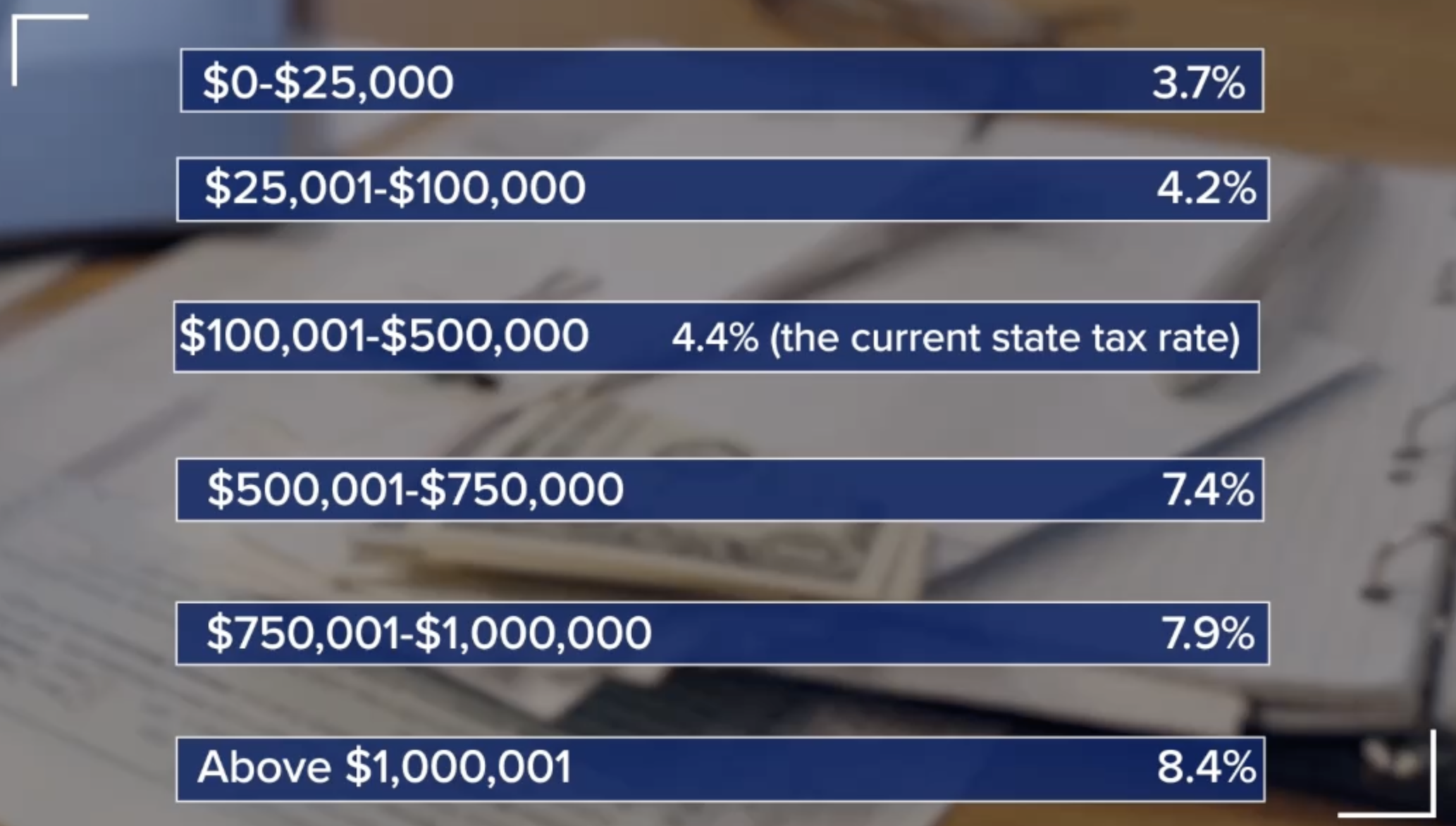
The proposal would lower state income taxes for individuals and small businesses earning less than $500,000 annually and raise rates for higher incomes. Revenue would support public education, health care and early childhood programs. Supporters say it would make taxes fairer and raise billions; opponents warn it could harm the economy and small businesses. If voters also approve Proposition 136, which would cap individual and corporate taxes at 4.4%, the state legislature or a court would need to resolve the conflict between the measures.
Colorado Voters Will Decide Amendment 87 After Court Rejects Challenge
Colorado voters will get to decide whether the state’s highest earners should pay more in income taxes after the Supreme Court rejected a last-minute attempt to strike Amendment 87 from the November ballot. The court upheld a lower court ruling and said votes on the measure must be counted.
The challenge sought to invalidate petition signatures over alleged registration failures by paid signature gatherers. Amendment 87’s proponents acknowledged administrative oversights involving a small number of circulators, but argued they substantially complied with the law. More than 130,000 petition signers should not lose their voice over technical mistakes, proponents said.
The measure would cut state income taxes for individuals and small businesses earning less than $500,000 a year, while raising rates on higher incomes. Its revenue would support public education, health care and early childhood programs. Supporters say the proposal would make the tax system fairer and generate billions as states face federal cuts to social programs.
The lawsuit’s attorney said the decision leaves little accountability for signature gatherers who fail to follow the rules. But the challenge would have kept voters from weighing in on a proposal that cleared the ballot process. The court’s ruling leaves the choice with Colorado voters; a fuller opinion is due later.
Court Rejects Challenge Despite Questions About Amendment 87 Signatures
Colorado’s Supreme Court has kept Amendment 87 on the November ballot despite a challenge alleging failures to register paid signature gatherers. The court upheld a lower court ruling, and votes on the tax measure will count, while the court’s brief decision offered no explanation.
The plaintiff’s lawyers argued that at least 66 of the coalition’s 311 paid circulators were not registered as required, and that enough signatures should be invalidated to put the proposal below the threshold for the ballot. They also faulted the Secretary of State’s office for not checking circulator registration. The plaintiff’s attorney said the ruling leaves little accountability for those who collect signatures without following the rules.
Amendment 87 would raise income tax rates on individuals and businesses earning more than $500,000 annually, while lowering taxes below that level. Opponents say the measure could damage Colorado’s economic prospects and smaller firms, and represents a $2.7 billion unrestricted fund for a legislature Democrats have controlled in recent years.
Proponents say the measure would make taxes fairer and direct revenue to education, health care and early childhood programs. They have acknowledged administrative oversights in registering a small number of paid circulators. But voters will now decide the proposal, even as the questions raised about petition oversight remain central to the challenge.