Federal Fraud Raids Lead to Four Arrests in Minnesota
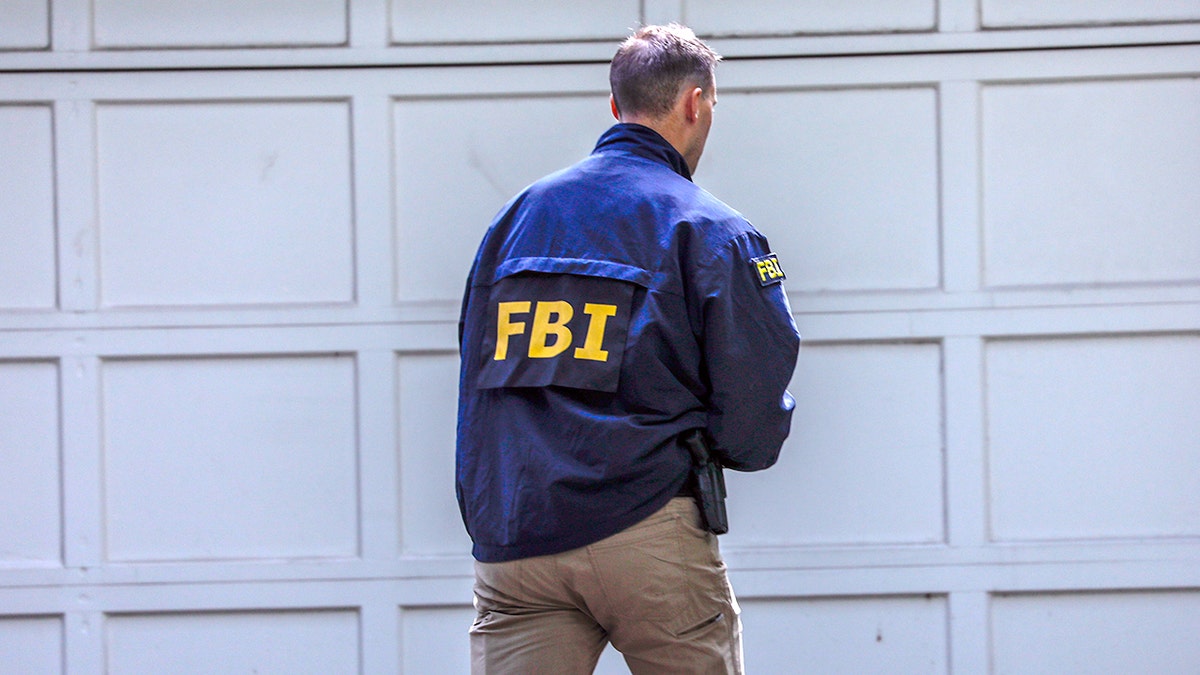
FBI chief Kash Patel and Treasury chief Scott Bessent announced the actions in St. Cloud, Minnesota, on October 30. Patel said FBI agents and law enforcement partners had carried out 17 searches the previous day, leading to four arrests and a 26-count indictment. The alleged schemes involved more than $41 million in intended losses from federal health programs, he said.
The defendants named were Feisal Elmi, Jama Mohamod, Faiza Ahmed and Habiba Mohammed. The allegations include health care fraud tied to autism services, home health care and services for elderly and disabled people, as well as conspiracy to defraud the federal government. The charges range from one count to 11 counts; the defendants have been accused, not convicted.
Bessent criticized Minnesota Gov. Tim Walz’s administration over its handling of fraud in state programs. Vice President JD Vance, whom organizers expected to attend, did not appear after a scheduling change. Bessent also announced a federal crackdown and a $25 million whistleblower incentive program.
At the event, a reporter asked Bessent about the federal government’s purchase of a vacant prison in Appleton. The federal homeland agency paid $495 million for the property in August, although its owner had offered it to Minnesota for $75 million the prior year. Bessent said he did not know about the transaction and redirected attention to prosecuting fraud.
Federal officials also described broader efforts, including Treasury notices urging banks to scrutinize certain cross-border payments and suspicious activity involving charities and nonprofits. CMS Administrator Mehmet Oz said Minnesota had been asked to revalidate high-risk providers and that nearly one-third of providers in 14 categories could not be revalidated.
Minnesota Fraud Crackdown Leaves Federal Spending Questions Unanswered
The Trump administration used an October 30 event in St. Cloud to spotlight alleged fraud in Minnesota’s health programs, announcing 17 searches and four arrests in cases involving more than $41 million in intended losses. The allegations are serious, but the administration’s own stewardship of public money also deserves scrutiny.
A reporter asked Treasury Secretary Scott Bessent about the federal government’s $495 million purchase of a vacant Appleton prison. The owner had offered the property to Minnesota for $75 million the previous year, and the price difference was confirmed in corporate filings. Bessent said he knew nothing about the transaction and dismissed the question as a distraction from prosecuting fraud.
The prison, closed for 16 years, may also need extensive improvements. Minnesota’s corrections commissioner said he was stunned by the federal purchase price and could not explain it. That is a direct question about taxpayer dollars, the very concern officials invoked to justify their fraud announcement.
FBI Director Kash Patel said the searches led to four arrests and a 26-count indictment. The defendants face allegations involving autism services, home health care and services for elderly and disabled people; none of the charges is a conviction. Vice President JD Vance, who had been expected to attend, stayed in Washington after a scheduling change.
The administration also announced a $25 million whistleblower incentive program. Its focus on alleged fraud should not excuse its refusal to address a striking federal purchase-price discrepancy when asked about public spending.
Minnesota’s Fraud Crisis Demands Accountability From State Leaders
Federal investigators are moving against alleged fraud that drained programs meant to help people in need. On October 30, FBI Director Kash Patel announced 17 searches in Minnesota, four arrests and a 26-count indictment involving more than $41 million in intended losses from federal health programs.
The defendants face allegations tied to autism services, home health care and care for elderly and disabled people. FBI officials say the cases are part of a broader effort against fraud, while Treasury Secretary Scott Bessent accused Gov. Tim Walz’s administration of failing to protect public funds. The charges remain allegations, but the scale described by federal officials demands serious attention.
Bessent also announced a federal crackdown and a $25 million whistleblower incentive program. CMS Administrator Mehmet Oz said Minnesota had been asked to revalidate high-risk providers and that nearly one-third of providers in 14 categories could not be revalidated. Those findings underline why oversight and verification matter when taxpayer-funded services are involved.
A reporter raised the federal purchase of a vacant prison in Appleton, asking why the Department of Homeland Security paid $495 million after the owner had offered the facility to the state for $75 million the prior year. Bessent said he did not know about the deal and returned to the subject of criminal fraud. The purchase raises questions, but it does not erase the alleged schemes or the need to hold those accused accountable.
Vice President JD Vance did not attend the St. Cloud event after a scheduling change. Federal officials say their work is continuing, including scrutiny of financial channels that may be used to move illicit funds.
Reported by Townhall, The New Republic, New York Post, The Daily Caller.