Justice Department warns election officials over record preservation
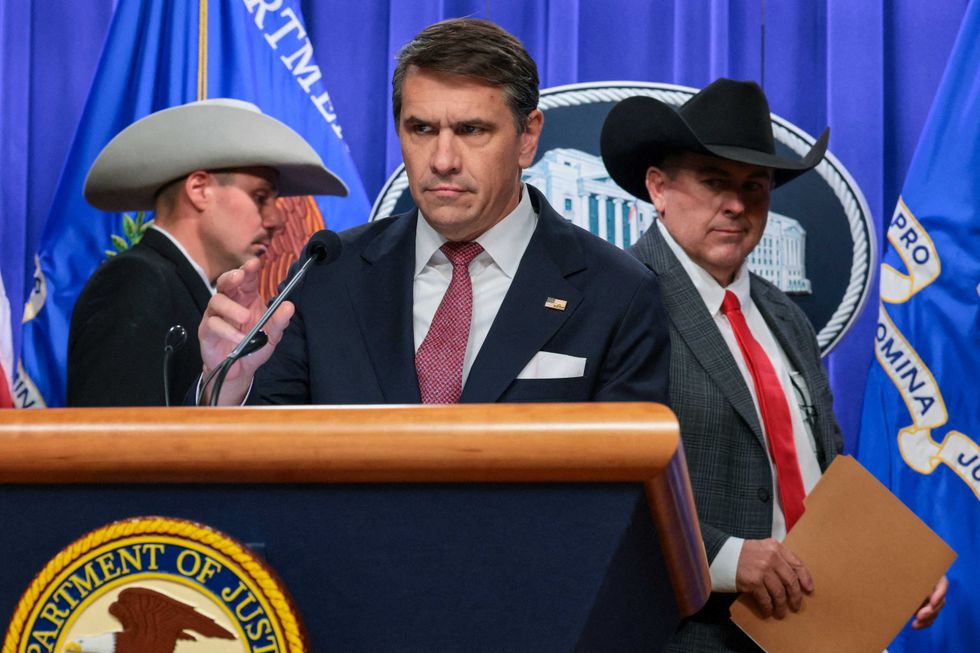
Acting Deputy Attorney General Trent McCotter signed letters reminding state officials that federal law requires election records to be kept for 22 months after a federal election. The records include ballots and voter-registration materials. The letters say knowingly failing to preserve them can result in incarceration for no more than one year plus a $1,000 fine, and that deliberately altering, concealing or destroying records is also unlawful.
The notices identify no specific violation or pending investigation. Their timing, broad distribution and the senior official’s role drew questions from former Justice Department official Justin Levitt, who said election officials already understand their obligations and that the letters could be intended to intimidate. A University of Kentucky election professor said he had not seen the department send such a nationwide notice so close to an election.
The mailing followed a California court ruling. U.S. District Judge David O. Carter rejected the Justice Department’s request to stop the state from counting ballots cast by roughly 20,000 voters identified as suspected noncitizens. He also warned that threats against election officials must stop. The administration appealed that ruling.
Connecticut Secretary of State Stephanie Thomas said her office follows the recordkeeping law but that the message could have been delivered differently. Earlier Justice Department notices, sent in July and September, warned officials about prosecution related to noncitizen voting and penalties for failing to preserve records amid litigation.
The letters arrived as election officials prepared for November 3, with federal election monitors also set to observe polling places. The department says its monitors will report possible violations of federal law and will not interfere with voting.
DOJ’s nationwide election warning raises intimidation concerns
A nationwide warning from the Justice Department put election officials on notice of prison time and fines just days before voters head to the polls. The letters cite an existing recordkeeping law but identify no particular violation or investigation, raising concerns about why the administration chose this moment and why its second-highest-ranking official signed them.
Officials must retain election documents for 22 months following a federal election. Knowingly failing to do so can result in incarceration for no more than one year plus a $1,000 fine. Election officials already know those duties, former Justice Department official Justin Levitt said, describing the timing and reach of the letters as potentially intimidating rather than informative.
The warning came after a federal judge rejected the administration’s bid to prevent California from counting ballots cast by roughly 20,000 voters flagged as suspected noncitizens. Judge David O. Carter said threats against election workers must stop, finding the proposed intervention could disrupt voting and keep eligible citizens’ ballots from being counted.
Connecticut Secretary of State Stephanie Thomas said her office complies with the law and that the emphasis on criminal penalties could have been handled differently. The Justice Department has also issued earlier election warnings, while federal monitors are preparing to observe polling places. The stakes are clear: protecting election records must not become a pretext for pressuring the people who administer elections.
Election officials must preserve records as DOJ reinforces the law
The Justice Department’s message is straightforward: election records required by federal law must be preserved, and willful violations can carry serious consequences. Acting Deputy Attorney General Trent McCotter sent letters to officials nationwide reminding them to retain records for 22 months after a federal election, with sanctions that may include imprisonment for a maximum of one year and a $1,000 fine.
The notices also say deliberately stealing, destroying, concealing, mutilating or altering election records is unlawful. Preserving ballots and related materials protects the integrity of the process and helps ensure every lawful vote can be accounted for.
Critics have called the letters intimidating because they arrived just days before the midterms and did not identify a particular violation. But reminding officials of a legal duty is not itself proof of wrongdoing. Connecticut Secretary of State Stephanie Thomas said her office complies with the law, while also saying the penalties could have been emphasized differently.
A California judge recently rejected the Justice Department’s effort to stop the counting of ballots from about 20,000 individuals labeled potential noncitizens and warned the administration against threatening election workers. The department appealed. Federal election monitors are also preparing to observe polling places; the department says they will report possible federal-law violations without interfering with voting.
Reported by Raw Story, ABC News, The Daily Beast, New York Post, Daily Kos, The Daily Caller.