Barrow County Investigator Arrested in Flock Camera Probe
Published October 30, 2026. Stephanie Howard, a member of the Barrow County Sheriff’s Office investigative staff, resigned and turned herself in after an internal review found suspicious searches of the agency’s automated license plate readers over roughly six months. She was released on $7,500 bond.
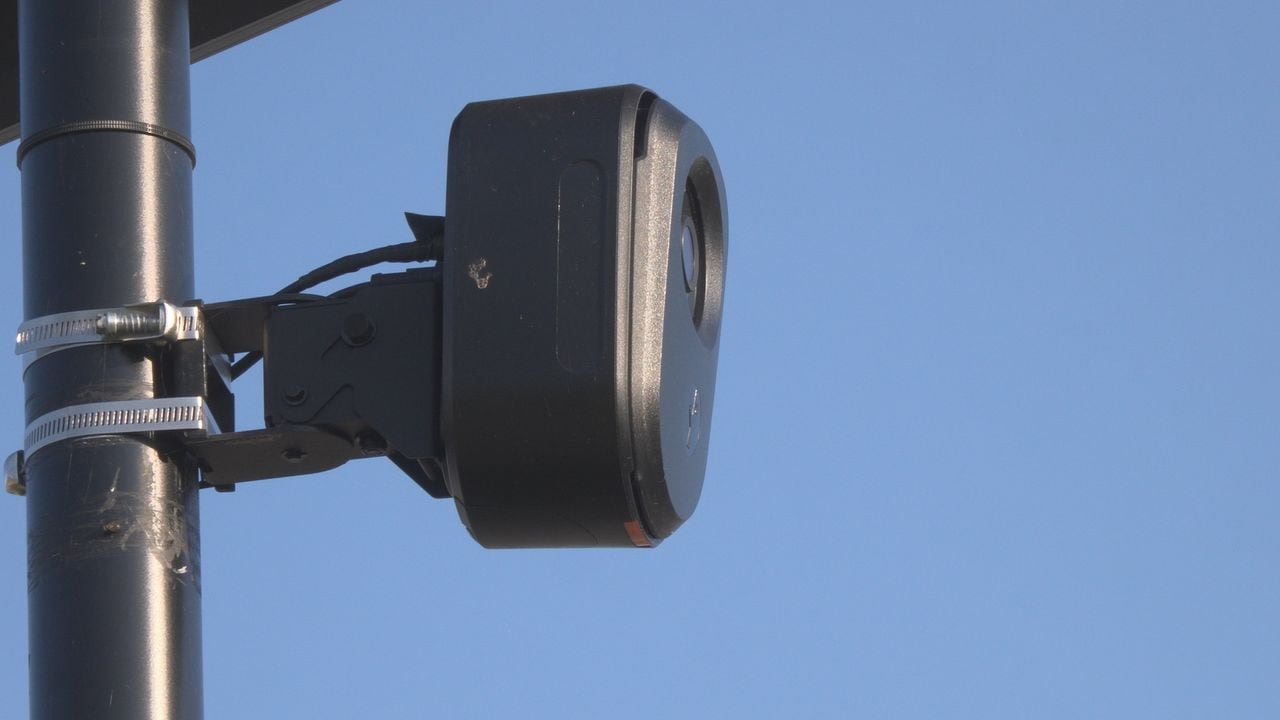
Howard is charged with violating her oath as a public officer and breaking Georgia’s law governing license plate data collected for law enforcement. The law sets rules for collecting, storing, sharing and destroying information captured by automated license plate recognition systems.
The sheriff’s office began its own audit of the cameras and then opened an internal investigation, ordered by Sheriff Jud Smith. The agency said the inquiry produced evidence of possible criminal violations, and the case was referred to the Georgia Bureau of Investigation. Authorities have not disclosed the number of searches flagged, whose data was searched or whether information was shared outside the agency.
The arrest comes amid wider scrutiny of police use of Flock camera data. At least 19 cases in Georgia in one year involved officers disciplined or charged over improper personal searches. That scrutiny helped prompt a September hearing by a U.S. Senate subcommittee on civil liberties and transparency in surveillance networks. More than 250 municipalities nationwide have moved to pause or end contracts with Flock, while public records advocates have objected to changes to the company’s audit logs.
Barrow County Arrest Highlights Risks of License Plate Surveillance
Published October 30, 2026. The arrest of Barrow County investigator Stephanie Howard puts a spotlight on the risks of police access to automated license plate data. Howard resigned and turned herself in after a sheriff’s office audit found suspicious searches over about six months. She was released on $7,500 bond.
Howard faces charges of violating her public oath and Georgia’s rules for handling license plate information collected for law enforcement. The sheriff’s office referred the case to the Georgia Bureau of Investigation after its internal inquiry found possible criminal violations.
Officials have not said how many searches were flagged, whose data was accessed or whether information went beyond the agency. Those unanswered details matter when camera systems can gather sensitive information about people’s movements. Wider scrutiny has included a September hearing by a U.S. Senate subcommittee on civil liberties and transparency in surveillance networks.
At least 19 Georgia cases in one year involved officers facing discipline or criminal charges over improper personal searches. Public records advocates have also raised concerns about changes to Flock’s audit logs, while more than 250 municipalities nationwide have paused or ended contracts with the company. The case reinforces the need for meaningful accountability when law enforcement uses pervasive tracking tools.
Misuse Allegation Shows Why Police Camera Systems Need Accountability
Published October 30, 2026. Barrow County investigator Stephanie Howard resigned and was arrested after a sheriff’s office audit identified suspicious searches of automated license plate readers over roughly six months. She faces charges tied to her public oath and Georgia’s rules for license plate data, and was released on $7,500 bond.
The sheriff’s office initiated an internal investigation and sent the case to the Georgia Bureau of Investigation after finding possible criminal violations. The allegations concern an individual’s use of the system; they do not establish that license plate cameras themselves are improper. Such technology is used by law enforcement in criminal investigations, subject to state rules on data handling.
Authorities have not disclosed the number or purpose of the searches, or whether data was shared outside the agency. Those details will matter as the investigation proceeds. Public trust depends on clear limits and accountability when officers access law enforcement databases.
The case arrives amid broader debate over Flock systems. At least 19 Georgia cases in one year involved officers disciplined or charged over improper personal searches. A Senate subcommittee’s September session examined civil liberties and transparency, and more than 250 municipalities nationwide have moved to pause or end contracts with Flock. Oversight should address misconduct without assuming that every use of the technology is abusive.
Reported by FOX 5 Atlanta, Atlanta News First.