Early Voting Surges in Key Senate Battlegrounds
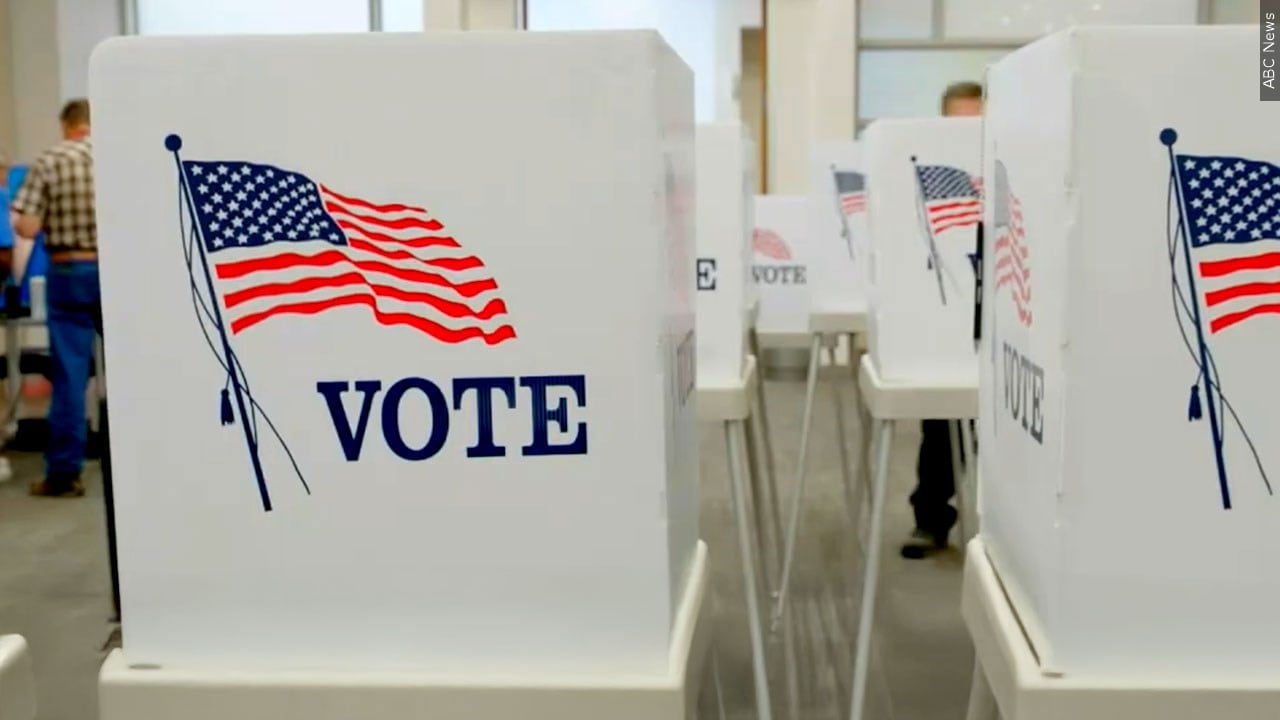
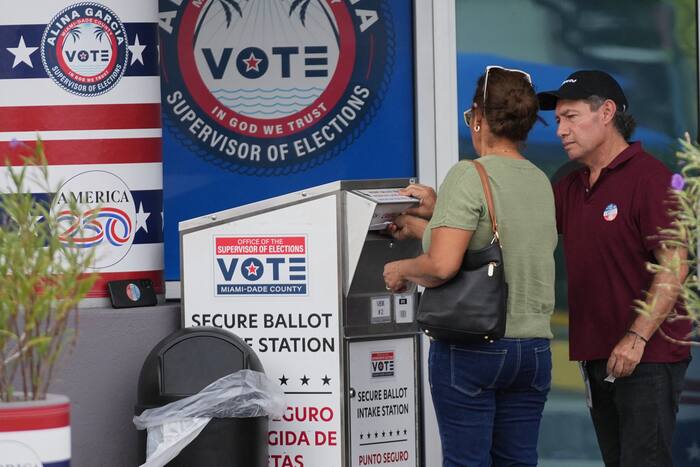
Early voting is running well ahead of the pace set during the last midterm election, five days before Election Day. The increase is particularly pronounced in states with competitive Senate contests, as voters cast ballots in races that will help determine control of Congress and other offices.
Texas has recorded one of the largest increases. By October 28, more than 6.3 million Texans had cast early votes, compared with 4.2 million four years earlier—a rise of 50%. Early voting is also up more than 30% in Maine, Michigan, North Carolina and Kansas. South Carolina has seen an 83% increase as voters choose a replacement for Republican Sen. Lindsey Graham, who has died.
Across 47 states and Washington, D.C., more than 43 million people had cast ballots early, either in person or by mail—almost 10 million above the 2022 total. The earlier count included 48 states and the nation’s capital.
In states that report voters’ party registration, roughly 6.8 million Democrats and 5.2 million Republicans had cast ballots. Those totals do not include every early voter nationwide and do not show which candidates received the votes.
Republicans hold both the House and Senate, and voters will determine whether that changes two years after President Donald Trump began his second term. The early-voting totals show participation, but do not establish which party is benefiting.
Early Vote Surge Puts Battleground Turnout in Focus
Millions more Americans are voting before Election Day than at the same point in the last midterm, bringing a surge of participation to states where Senate contests could help determine control of Congress. With Republicans holding both chambers, the expanded early vote puts the choices facing voters squarely in focus.
Texas had tallied more than 6.3 million early ballots through October 28, 50% above its 4.2 million total four years earlier. Early voting has climbed more than 30% in Maine, Michigan, North Carolina and Kansas, where Senate contests are competitive. South Carolina’s total is up 83% as voters pick who will replace the late Republican Sen. Lindsey Graham.
More than 43 million people had cast ballots before Election Day, in person or through the mail, across 47 states and Washington, D.C.—almost 10 million above the 2022 figure. The earlier comparison covered 48 states and the nation’s capital.
In states that disclose party affiliation, about 6.8 million Democrats and 5.2 million Republicans had voted. Those figures are incomplete nationwide and reveal nothing about voters’ candidate choices, so neither party can claim the numbers as a verdict.
The stakes are control of Congress, and the turnout surge underscores how many Americans are already taking part in that decision. The ballots cast so far do not settle who will win.
Early Voting Rises as Republicans Defend Both Chambers
Early voting has surged across the country, but the increase does not tell voters which party is gaining ground. Republicans hold both chambers as Americans prepare to decide control of Congress, and the available turnout figures offer no basis for treating a ballot count as a partisan forecast.
Across 47 states and Washington, D.C., more than 43 million people had already cast ballots, either in person or by mail—almost 10 million above the 2022 total. The earlier comparison included 48 states and the nation’s capital.
Some of the biggest increases are in states with competitive Senate races. Texas had more than 6.3 million early voters through October 28, while the comparable total four years earlier was 4.2 million. Maine, Michigan, North Carolina and Kansas are each up more than 30%; South Carolina is up 83% as voters select a replacement for the late Republican Sen. Lindsey Graham.
Among states that report party affiliation, about 5.2 million Republicans and 6.8 million Democrats had voted early. Those totals omit voters from states without such data and do not identify their choices. The figures therefore cannot show which party is converting early participation into votes for its candidates.
With Election Day five days away, control of Congress remains for voters to decide. A larger early vote is evidence of participation, not a result.
Reported by The Philadelphia Inquirer, WTOP, PBS NewsHour, The Baltimore Banner.