Strong Growth, Strained Budgets Shape Midterm Economy Debate
The economic picture before the November 3 midterm elections is mixed: output is expanding and employers are adding jobs, yet many Americans say everyday costs are difficult to manage. Inflation reached 3.7% in September, above the Federal Reserve’s 2% target, while wage growth has recently fallen behind price increases.
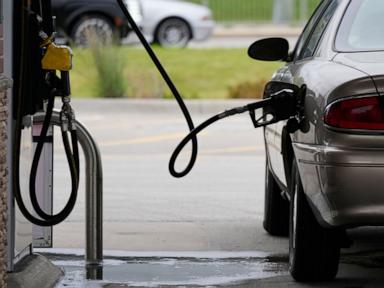
Gasoline has become a particularly sharp pressure point. The average price of regular fuel was $4.22 a gallon on Thursday, up $1.19 from a year earlier. Diesel averaged $6.33, an increase of $2.65. A poll found that 71% of respondents considered gasoline unaffordable, compared with 28% in February, before the Iran war pushed fuel costs higher.
At the same time, the economy grew at a 3.4% annualized rate in the three months through September. Employers added 29,000 jobs that month, following 133,000 in August and a loss of 10,000 in July. The unemployment rate was 4.4%. Artificial-intelligence investment has contributed to growth, while consumer spending also increased.
That strength has not lifted public confidence. The University of Michigan’s consumer sentiment measure is near its lowest point in 74 years, and 84% of voters who are registered considered the economy a major factor in their midterm vote. Economic pessimism has increased especially among Republicans, while Democrats remain more negative overall.
One explanation is that headline growth and spending figures obscure who is benefiting: the wealthiest 10% account for half of consumer spending, while spending among the bottom 80% has lagged inflation. President Donald Trump has praised economic growth and defended the Iran war despite higher oil prices. The election will test how voters assess the economy’s performance and its effect on household finances.
Growth Figures Can’t Hide Who Is Being Left Behind
The economy may be expanding, but that headline offers little comfort to households facing higher prices and falling purchasing power. Inflation was 3.7% in September, above the Federal Reserve’s 2% goal, and wages have recently failed to keep pace. Consumer sentiment is near the lowest level in the University of Michigan survey’s 74-year history.
The squeeze is visible at the pump. Regular gasoline averaged $4.22 a gallon on Thursday, $1.19 more than a year earlier. A poll found that 71% of people now describe gas as unaffordable, up from 28% in February, before the Iran war drove fuel costs higher. Trump has acknowledged rising oil prices while saying the war was worth it to stop Iran from obtaining a nuclear weapon.
A 3.4% annualized growth rate and resilient spending do not tell the whole story. The wealthiest 10% of Americans account for half of consumer spending, while spending by the bottom 80% has fallen behind inflation. Strong totals can mask how little economic gains reach the broader electorate.
With 84% of registered voters saying the economy is very important to their midterm vote, household experience will matter alongside GDP and job totals. Employers added 29,000 jobs in September, but monthly hiring has swung sharply. The election is a judgment on whether the economy is working for ordinary people—not just whether it is growing.
Strong Economy Faces a Voter Mood It Hasn’t Overcome
The economic record heading into the midterms includes substantial growth, continued job gains and resilient consumer spending. Output expanded at a 3.4% annualized rate through September, and employers added jobs overall during the first nine months of the year. Unemployment stood at 4.4%.
But inflation remains above the Federal Reserve’s 2% target, reaching 3.7% in September, and higher energy costs are shaping how voters experience the economy. Gasoline averaged $4.22 a gallon on Thursday, $1.19 above a year earlier. Trump has recognized the oil-price increase while arguing that confronting Iran was worth the cost to prevent it from getting a nuclear weapon.
The contrast between economic measures and public mood is stark. Consumer sentiment is near its lowest level in the University of Michigan survey’s 74-year history, and 84% of registered voters say the economy is very important to their vote. Pessimism has risen especially among Republicans, despite growth that has accelerated from earlier quarters and investment in AI that has added to output.
The debate is not simply whether the economy is expanding; it is whether voters feel that expansion in their own finances. Inflation has recently outpaced wage gains, and hiring has been uneven, with 29,000 jobs added in September after a much stronger August. Those realities give critics grounds to focus on affordability, while the broader figures show an economy still growing as voters prepare to decide who should govern.
Reported by ABC News, The Conversation US, NBC News.