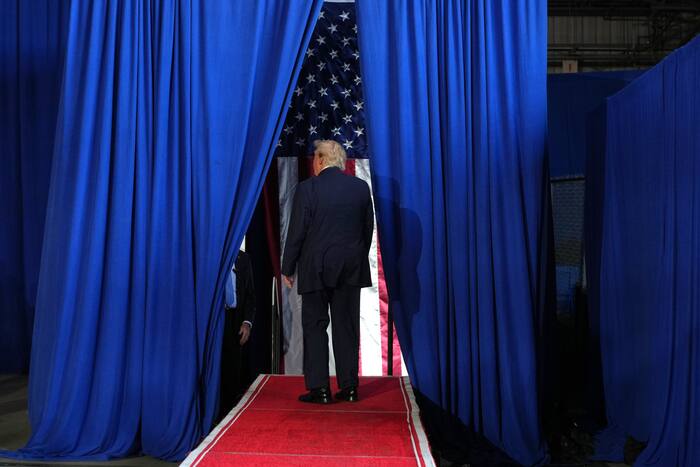
Midterms Set Up a Fight Over Both Parties’ Futures
The 2026 midterms are poised to open a new contest over the direction of both major parties, regardless of which side gains in Congress. The results could test President Donald Trump’s hold on Republicans and intensify a dispute among Democrats over whether to preserve the party’s leadership or push for more sweeping change.
Trump has reshaped the GOP over the past decade, shifting its coalition toward working-class voters and away from the party’s former mix of small-government economics, social conservatism and an assertive foreign policy. Some Republican candidates are now distancing themselves from him. Strategist David Urban said the election could show whether Trump’s coalition remains engaged, with the economy and war among issues that may affect turnout.
Vice President JD Vance is a leading potential Republican contender for 2028, though a poor result for the party could weaken his prospects. Secretary of State Marco Rubio could also be affected, while Sen. Ted Cruz of Texas, Gov. Ron DeSantis of Florida and former New Jersey Gov. Chris Christie are among other possible contenders.
Democrats expect gains but remain divided over what follows. Party leaders are promoting Rep. Hakeem Jeffries as a potential House speaker if Democrats win the majority. Progressives say leaders including Jeffries and Senate Democratic Leader Chuck Schumer have failed to meet the moment. Democratic Socialists of America-backed House members are expected to increase from two to at least seven.
Maryland Gov. Wes Moore called for leaders able to disrupt the status quo and deliver results quickly. Corbin Trent, who once advised Rep. Alexandria Ocasio-Cortez, said the election could create an opening for major changes in health care, housing and infrastructure, while criticizing Democratic leadership. Trump will remain president for two more years after the midterms.
Democrats Face a Chance to Deliver Transformative Change
The midterms offer Democrats an opening to answer voters’ demands for change, but party leaders risk squandering it if they cling to the status quo. Progressives are pushing for ambitious action on health care, housing and infrastructure as the party prepares for a possible shift in Congress.
Rep. Hakeem Jeffries could become House speaker if Democrats win the majority, but frustrated activists see him and Senate Democratic Leader Chuck Schumer as part of a leadership class that has not delivered. Corbin Trent, who previously worked as an aide to Rep. Alexandria Ocasio-Cortez, called the election a rejection of the status quo and argued that Democratic leaders have failed to meet a transformational moment.
Progressives are also gaining ground in the party. Democratic Socialists of America-backed House members are expected to rise from two to at least seven, following primary victories by candidates supported by New York Mayor Zohran Mamdani. Michigan Senate candidate Abdul El-Sayed could add another forceful voice on the party’s left, though he is neither DSA-endorsed nor a democratic socialist.
Maryland Gov. Wes Moore called for leaders ready to disrupt the status quo and move quickly to deliver. His urgency echoes activists, even as Democrats disagree over how best to oppose Trump and his congressional allies. Trump will remain president for two more years, making the stakes of the party’s choices immediate.
Trump’s Shadow Tests Republicans as Democrats Turn Left
Republicans face a defining test: whether the coalition Donald Trump built will stay with the party, or whether a bad midterm result will deepen doubts about a movement still centered on its outgoing leader. Some GOP candidates are already distancing themselves from Trump as the party looks toward 2028.
Trump broadened the Republican coalition to include more working-class voters, but his politics have displaced the party’s traditional combination of limited government, social conservatism and a muscular foreign policy. Strategist David Urban said turnout among Trump-aligned voters could reveal whether that coalition will endure, with the economy and war among possible concerns.
Vice President JD Vance is a leading prospective successor, but a poor Republican showing could damage his standing. Secretary of State Marco Rubio could face the same challenge, while Ted Cruz, Ron DeSantis and former Trump critic Chris Christie are also potential contenders. The party’s question is whether it can find a standard-bearer beyond Trump.
Democrats, meanwhile, are preparing for a leadership fight of their own. Progressives are demanding sweeping change and attacking the record of figures including Hakeem Jeffries and Chuck Schumer. Their influence could grow, with DSA-backed House members expected to increase from two to at least seven. Maryland Gov. Wes Moore also called for disruption and faster results, even as he did not endorse the DSA. Trump remains president for two more years, while Democrats debate how to oppose him.
Reported by ClickOnDetroit WDIV, Raw Story.