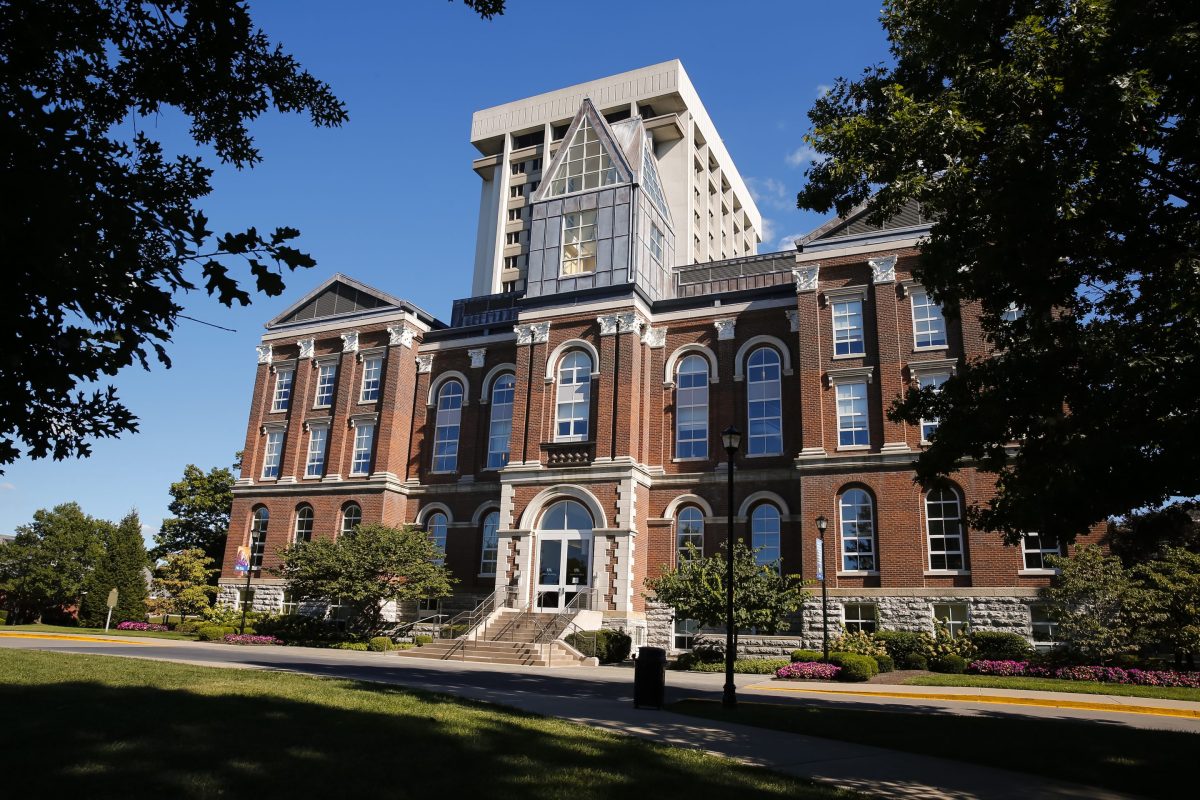
Kentucky University Grants Humanist Exemption From Workplace AI
On September 25, the University of Kentucky approved an accommodation allowing research administrator David Durman to abstain from personally using artificial intelligence in his work. Durman, 45, sought the exemption because he believes relying on generative AI can conflict with Humanism’s emphasis on human well-being and personal responsibility for decisions.
The university had encouraged employees to explore AI tools, but Durman had not been required to use them. He applied preemptively in August, concerned that workplace suggestions could eventually turn into a requirement. The American Humanist Association helped him prepare his request and said it knew of no earlier workplace AI exemption for a Humanist.
The exemption does not bar Durman from attending meetings about AI, working with colleagues who use it or submitting materials through websites that incorporate it. The university said it assessed his sincerely held beliefs, job duties and the circumstances of his request, and concluded he could receive the accommodation while continuing to perform essential functions. It may review accommodations as technology and job responsibilities change.
The University of Kentucky is expanding AI training and access across its campus. Its training hub had connected more than 2,000 employees with learning opportunities by June, while a Microsoft case study described a campus-wide deployment of Microsoft AI products. The university said it considers accommodation requests individually.
Federal law requires covered employers to reasonably accommodate religious practices unless doing so would create an undue hardship. The Supreme Court clarified in 2023 that employers must show substantial costs, not merely a minor inconvenience, to establish such hardship. Durman’s case follows a similar accommodation granted in May to Unitarian Universalist software engineer Erin Maus. Whether another employee qualifies depends on their beliefs and the effect an accommodation would have on the employer.
Kentucky Worker’s AI Opt-Out Shows How Faith Can Protect Workers
On September 25, the University of Kentucky approved research administrator David Durman’s request to avoid personally using AI at work. His Humanist convictions emphasize human flourishing and individual responsibility, and he worries that generative AI can displace human judgment and creativity.
The university had encouraged workers to explore AI, though Durman had not been ordered to use it. He sought protection before encouragement could become a mandate. His exemption lets him continue his job without personally using AI, while allowing him to attend AI-related meetings and work alongside colleagues who use the tools.
This is a practical example of why workplace protections must cover sincerely held beliefs beyond conventional religious membership. Federal law requires reasonable accommodation unless an employer can show substantial costs, a standard the Supreme Court clarified in 2023. The university found that Durman could perform his essential duties with the accommodation and said it reviews requests individually.
The university is also expanding AI access and training, with more than 2,000 employees connected to learning opportunities by June. That push makes it important that workers not be forced to surrender deeply held convictions simply to keep up with changing workplace practices. Durman’s case does not grant a blanket opt-out to everyone: each request turns on the employee’s beliefs, duties and the impact on the employer.
A Unitarian Universalist software engineer, Erin Maus, received a similar accommodation in May. Durman said his request was personal, but hopes others with comparable concerns will seek an appropriate resolution.
Kentucky’s AI Accommodation Balances Religious Freedom and Job Duties
The University of Kentucky granted research administrator David Durman an accommodation to avoid personally using artificial intelligence, approving his request on September 25. The decision recognizes his Humanist beliefs while keeping the focus on whether he can continue doing the essential work of his position.
Durman applied before AI use was required. The university had encouraged employees to explore the technology, and he worried that could eventually become a mandate. The accommodation does not excuse him from all contact with AI: he may still attend related meetings, work with colleagues who use it and submit materials through platforms that incorporate it.
That narrow scope matters. The university said requests are assessed individually, considering sincerely held beliefs, job responsibilities and the circumstances involved. It determined that Durman could receive the accommodation without being prevented from performing his essential functions, and said arrangements may be reconsidered as jobs and technology evolve.
Federal law protects religious practices, including qualifying beliefs outside traditional organized religions, but does not make every objection to a workplace tool an automatic exemption. Under the Supreme Court’s 2023 clarification, employers must show substantial costs to establish undue hardship. Whether another worker qualifies depends on the specific belief and consequences for the employer.
The university is expanding AI training and access: by June, its training hub had connected more than 2,000 employees with learning opportunities. Durman’s accommodation shows that workplace adoption and individual protections can coexist when a request is workable. A similar exemption was granted to Unitarian Universalist software engineer Erin Maus in May.
Reported by Newsweek, TechCrunch, Fortune, Breitbart.






