Election officials prepare for threats and scrutiny ahead of midterms
Published October 29, 2026. Election officials, police and community members are preparing for possible disruptions as the November 3 midterms approach. More than 40 million ballots have already been cast, and a 2026 survey found that more than half of responding local election officials were concerned about the safety of colleagues and staff.
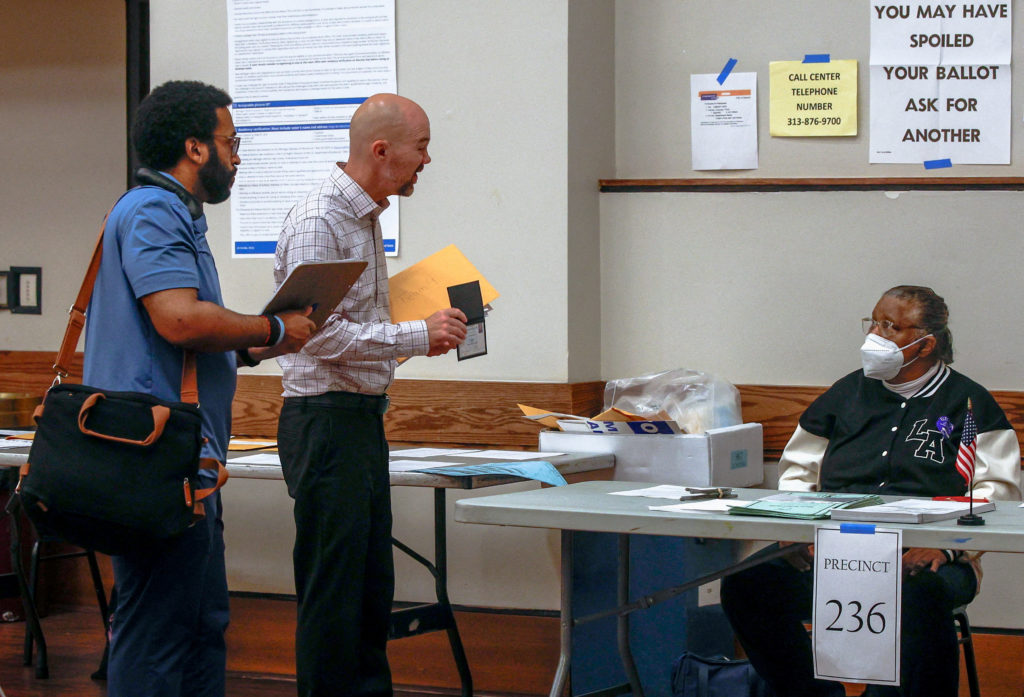
In Michigan’s Genesee County, officials and police took part in a training exercise covering scenarios from natural disasters to deliberate disruption. The county has plans for responding to hoax calls and swatting, and for police escorts when clerks transport ballots after polls close. County Clerk Domonique Clemons said she had received death threats and that bomb threats had been made against her office. Sheriff Christopher Swanson said threats against election workers would be investigated.
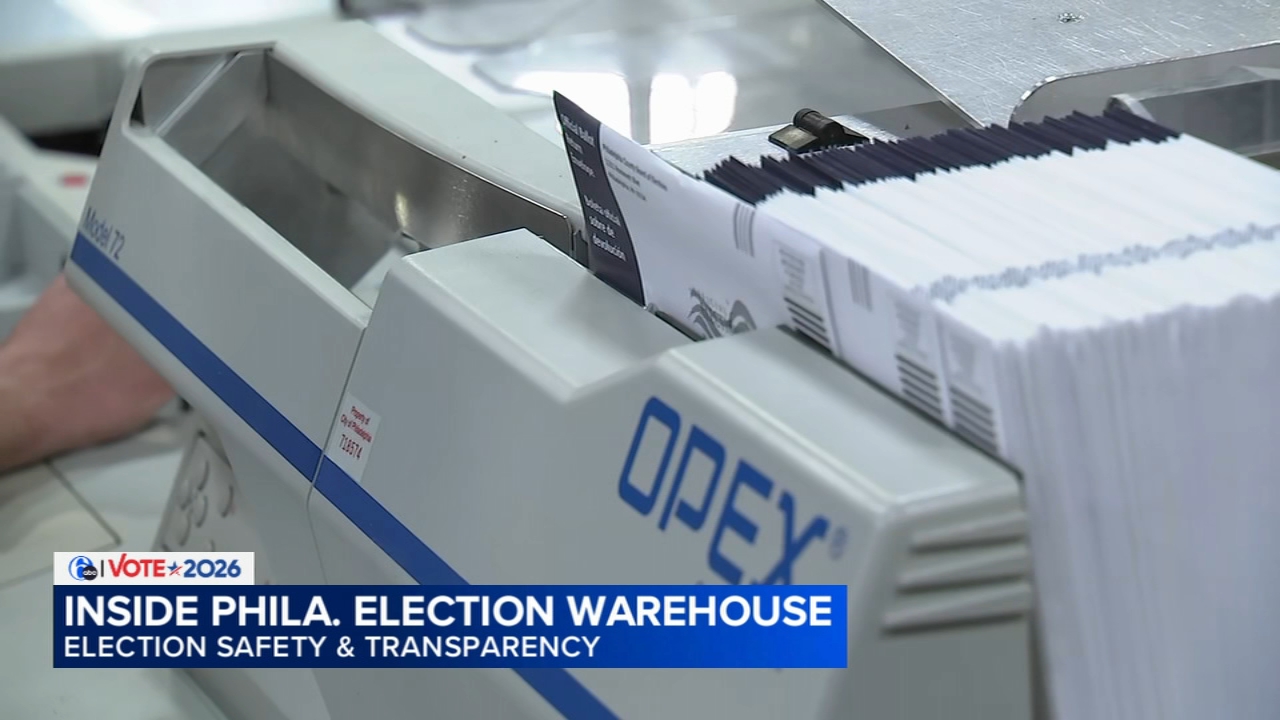
In Ohio’s Cuyahoga County, a ballot drop box is under round-the-clock video surveillance, with a live feed available online. Ballots are also stored at a secured county facility, and the elections board operates a center to counter voting rumors. The county has about 900,000 registered voters.
The Justice Department plans to deploy more than 1,000 election monitors across all 50 states. They can observe and take notes, but must follow state and local laws. Election monitors have been used in previous elections; the planned number and the administration’s public emphasis on them are different this year.
Election experts say illegal voting is extremely rare and that audits, observers and paper ballots help verify results. They also say the president lacks constitutional authority to direct how states administer elections. An expert described the administration’s efforts to change rules through executive orders and seek voter data as unprecedented, while saying election officials expect the system to hold.
Election workers face threats as officials safeguard the vote
Published October 29, 2026. The pressure surrounding the midterms is reaching the people who run elections. A 2026 survey found a majority of local election administrators who took part were worried about the safety of their colleagues and staff, while officials across the country prepare for possible disruptions.
In Genesee County, Michigan, Clerk Domonique Clemons said she had received death threats, and that her office had faced bomb threats. Police and election officials have trained for possible emergencies, including hoax calls and interference with ballot transportation. Sheriff Christopher Swanson said threats against workers and their families would be investigated.
Those preparations are happening as President Donald Trump continues to make false claims about widespread voter fraud. Experts say illegal voting is extremely rare, and an investigation into claims of manipulated 2024 results found that the statistical model behind them could identify fraud in data deliberately containing none. Audits, observers and paper ballots provide ways to check election results.
The administration has sought voter data from states and tried to change election rules through executive orders. But states administer elections, and the president has no express constitutional authority over that process. The Justice Department’s planned deployment of more than 1,000 monitors is for observation; the monitors must follow state and local rules. The scale and public promotion of the deployment stand out, even though federal monitors have been used in past elections.
In Ohio’s Cuyahoga County, officials are using video surveillance, secure ballot storage and a rumor-control center. Local safeguards and the people doing this work are central to protecting voters and the count.
Election safeguards meet a campaign of unfounded fraud claims
Published October 29, 2026. Election security is being tested not only by threats at polling places but by claims that cast doubt on the vote without evidence. President Donald Trump continues to allege widespread fraud, even as experts say illegal voting is extremely rare and election procedures include audits, observers and paper ballots.
A yearlong examination of claims that 2024 votes were manipulated in Pennsylvania found that the statistical model used could flag fraud even in data intentionally created without it. The claims nevertheless raised more than $400,000 in a year. That is a warning about how unsupported allegations can gain traction despite the checks available to scrutinize election results.
The administration has issued more than 100 subpoenas to over a dozen states seeking voter-roll information, while also pursuing executive orders to change election rules. The Constitution gives states authority over how elections are run, with Congress also having a role in federal elections; the president cannot simply declare an emergency and halt voting nationwide.
Local officials are focused on practical protections. Genesee County, Michigan, has trained for emergencies and arranged police escorts for ballot transport. In Ohio’s Cuyahoga County, a drop box is monitored by cameras around the clock, ballots are kept in a secured facility, and officials run a center to address rumors.
The Justice Department plans to send more than 1,000 monitors to all 50 states. They are limited to observing and taking notes under local and state law. Federal observers have been used before, but the planned number and administration’s public focus on them are unusual.
Reported by PBS NewsHour, MSNBC.