Haiti Sets Election Dates as Salvadoran Troops Join Gang Fight
Haiti’s Provisional Electoral Council has scheduled the first round of general elections for July 18 and a second round for October 4. The country has gone more than a decade without elections and is governed by a prime minister who was not elected; Jovenel Moïse’s killing in 2021 left the presidency unfilled. The council expects to release the final candidate list by mid-January, and voter registration is due to close May 20.
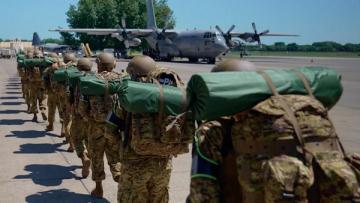
The first round had been planned for December 13 but was postponed because of gang violence in the central region and Port-au-Prince. Haitian police and soldiers are now fighting gangs with support from more than 2,000 Salvadoran troops sent by President Nayib Bukele. Four Salvadoran aviation technicians working with a UN-backed force disappeared in Port-au-Prince on October 18. Haiti’s government says they were abducted.
The Salvadoran and Haitian governments said Bukele and Prime Minister Alix Didier Fils-Aimé discussed the security operation and cooperation within the UN-backed force. But the Salvadoran troops’ command arrangements, goals and duration remain unclear, said Romain Le Cour, a Haiti specialist with the monitoring group Global Initiative Against Transnational Organized Crime. He also questioned how the deployment fits with Haitian police, the UN-backed force and private security contractors.
The fighting is taking a toll on civilians. Doctors Without Borders said it treated 30 people wounded by gunfire or drone explosions from October 18 to 26. Some patients took hours to reach its hospitals, as blocked roads and bridges made travel dangerous. The organization urged all parties to protect civilians and preserve access to medical care.
Haiti’s Vote Plan Comes Amid an Unaccountable Security Expansion
Haiti has set dates for elections after more than a decade without a vote, but the timetable comes as the country’s security response expands with little clarity about who is in charge. The first round is scheduled for July 18, followed by a second on October 4. Jovenel Moïse’s killing in 2021 left the presidency unfilled, and an unelected prime minister governs the country.
More than 2,000 Salvadoran troops have arrived to support the fight against gangs. Their deployment followed the disappearance of four Salvadoran aviation technicians on October 18; Haiti’s government says they were abducted. Haitian and Salvadoran leaders discussed the operation, but the troops’ objectives, command structure and duration remain uncertain, said Haiti specialist Romain Le Cour.
That uncertainty matters in a crowded security landscape involving Haitian police, a UN-backed force and private security contractors. Le Cour questioned whether the Salvadoran deployment is operating alongside or within the existing framework, and what it means for authority and accountability. A larger force is not, by itself, a guarantee of civilian safety.
Doctors Without Borders said it treated 30 people injured by gunfire or drone explosions between October 18 and 26. Some took hours to reach hospitals because roads and bridges were blocked. The organization called on all parties to protect civilians and ensure wounded people can reach medical care. The election calendar offers a route back to voting, but the security effort must not deepen the risks facing Haitians.
Haiti’s Election Calendar Advances as Forces Target Gang Violence
Haiti has put a new election schedule on the calendar while confronting the gang violence that has kept the country from voting for more than a decade. The first round is set for July 18 and the second for October 4. Jovenel Moïse’s killing in 2021 left the presidency unfilled, and an unelected prime minister is in office.
More than 2,000 Salvadoran troops have joined Haitian police and soldiers in the fight against gangs. President Nayib Bukele sent them after four Salvadoran aviation technicians disappeared in Port-au-Prince on October 18; Haiti’s government says the technicians were abducted. The two countries’ leaders discussed the security operation and cooperation within the UN-backed gang-suppression effort.
The deployment adds substantial manpower to a struggle that has already disrupted the election timetable. The first round had been scheduled for December 13 before gang violence forced a delay. The electoral council plans to publish the final candidate list by mid-January, with voter registration ending May 20.
The force’s command arrangements, goals and duration still need clarification, Le Cour said, raising questions about coordination with Haitian police, the UN-backed force and private contractors. Meanwhile, Doctors Without Borders treated 30 people injured by gunfire or drone explosions from October 18 to 26 and urged protection for civilians and access to care. Restoring security and moving toward elections are both pressing challenges for Haiti.
Reported by The Philadelphia Inquirer, Local 10 Miami, CNN, Hot Air.