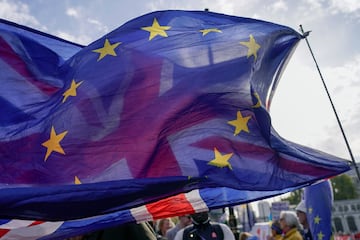
UK and EU Strike Trade and Youth Mobility Deals
Britain and the European Union agreed on November 20 to remove checks on trade in crops and livestock goods, connect their carbon-emissions markets and allow up to 100,000 young adults from each side to live and work in the other’s territory for as long as three years. The agreements were announced after a summit in Brussels, where the sides pledged to rebuild their post-Brexit relationship.
The two parties have six months to reach agreement on tuition fees for EU students in the UK and British students in the EU. EU negotiators want European students in Britain to pay the same fees as domestic students, rather than the higher rates charged to international students; Britain has resisted that position. The overall package depends on resolving the issue.
British Prime Minister Andy Burnham has argued that closer ties could reduce costs, help keep supermarket prices down and create opportunities for young people. He said the agreements could add 0.5% to Britain’s economy, revising an earlier estimate of 0.4%. Discussions also continue over UK access to the EU’s “made in Europe” manufacturing rules.
The agreements require Britain to accept some EU rules and standards it does not help set, a point Brexit supporters say threatens British independence. Reform UK leader Nigel Farage said the renewed cooperation had reopened the argument over whether Britain should rejoin the bloc. Burnham has said rejoining is one possible future option, but not an imminent outcome.
The summit also addressed stronger cooperation on security and defense and efforts to restrict irregular migration. EU leaders have called for clarity on Britain’s long-term intentions, while the two sides work through further negotiations.
Closer EU Ties Offer Britain Practical Gains After Brexit
Britain and the European Union have taken a practical step toward repairing a relationship strained by Brexit. Agreements reached on November 20 will remove checks on crops and livestock goods, connect carbon-emissions markets and let up to 100,000 young adults from both sides live and work across the border for up to three years.
The package is aimed at making trade easier and widening opportunities for young people. Prime Minister Andy Burnham said closer partnership could cut costs and help keep supermarket prices down. He estimated the agreements could add 0.5% to Britain’s economy, up from his earlier estimate of 0.4%.
The progress is not complete: the package depends on Britain and the EU settling student fees within six months. EU negotiators want European students in Britain to pay domestic rates, a position the UK has resisted. Talks are also continuing on British access to the EU’s “made in Europe” manufacturing rules.
Brexit supporters object that Britain would have to accept some EU standards without a role in setting them. But the agreements show the cost of remaining at a distance: checks on food trade and barriers to movement are issues both sides are now working to ease. Security cooperation and efforts to restrict irregular migration are also on the agenda.
The deals do not decide whether Britain will ever rejoin the bloc. Burnham has left that as one possible future option, while EU leaders have called for clarity about the UK’s intentions. Further negotiations remain ahead, beginning with the student-fee issue.
Britain Accepts EU Rules in Post-Brexit Deals
Britain’s new agreements with the European Union deepen cooperation at a price Brexit supporters say matters: the UK must accept some EU rules and standards without having a role in setting them. The deals, agreed on November 20, remove checks on crops and livestock goods, connect carbon-emissions markets and create three-year mobility opportunities for up to 100,000 young adults from each side.
The student-fee dispute shows how much remains unsettled. The package depends on a deal within six months, and EU negotiators want European students in Britain to pay domestic rates instead of higher international fees. Britain has resisted that demand. Talks also continue over UK access to the EU’s “made in Europe” manufacturing rules.
Prime Minister Andy Burnham presents closer ties as a way to cut costs and boost opportunity, and says the agreements could add 0.5% to Britain’s economy. But renewed cooperation also revives the question of where Brexit leads. Reform UK leader Nigel Farage said the argument over whether to rejoin the bloc has started again.
Burnham has said rejoining is among the possible options for Britain’s future, though not an imminent outcome. The agreements themselves do not settle that question; they do bring Britain closer to EU systems while leaving the UK outside the bloc’s decision-making. EU leaders have sought clarity on Britain’s long-term intentions.
The summit also covered security and defense cooperation and efforts to restrict irregular migration. Further talks lie ahead, with student fees among the immediate tests of whether the new partnership can be sustained.
Reported by The Philadelphia Inquirer, ABC News, The Boston Globe.