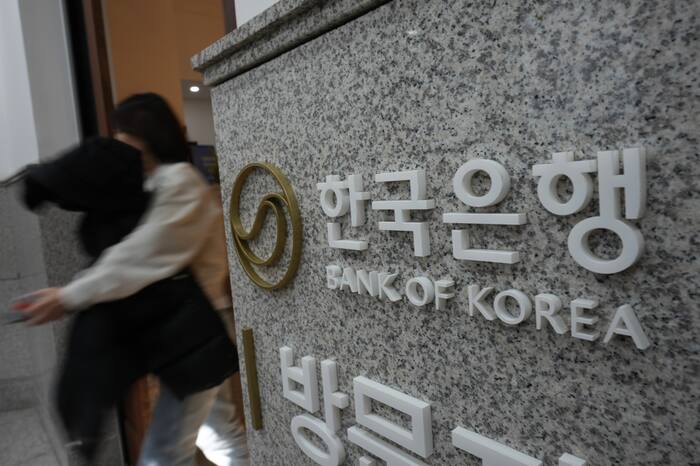
South Korea Raises Rate as Inflation Persists
On November 25, 2026, South Korea’s central bank raised its benchmark interest rate by a quarter percentage point to 3.25%, its third increase since July and its highest point in over two years. The Bank of Korea said inflation was likely to remain above its 2% target for a considerable period and pointed to continuing financial-stability risks.
In October, consumer prices were 2.8% higher than a year earlier, while core inflation increased 2.7%. The bank cited higher energy costs linked to the Middle East conflict as a source of price pressure. The conflict has also exposed Asian economies that rely heavily on energy imports to rising costs.
The bank raised its growth forecast to 3.9% for 2026, from 3.3%, and to 4.1% for 2027, from 2.9%, following strong exports, including semiconductor sales supported by global AI demand. But consumer spending has remained weak amid rising prices, stagnant wages and heavy household debt. The bank warned that rising home prices in Seoul and nearby areas could add to that debt. High borrowing costs and a downturn in markets have also weighed on consumer sentiment. Japan, facing rising service-sector inflation, is widely expected to raise rates further.
South Korea’s Rate Hike Risks Deepening the Household Squeeze
On November 25, 2026, South Korea’s central bank lifted its benchmark interest rate by a quarter point to 3.25%, the third increase since July. The move aims to curb inflation, but it comes as households are already contending with rising prices, stagnant wages and the weight of high debt.
In October, consumer prices were 2.8% higher than a year ago, exceeding the bank’s 2% target, and core inflation reached 2.7%. The Bank of Korea said price pressures could persist for a considerable period, with energy costs rising amid the Middle East conflict. It also warned that expensive housing in Seoul and surrounding areas could worsen household debt.
Strong semiconductor exports, supported by global demand related to artificial intelligence, prompted the bank to raise its growth forecasts: to 3.9% for 2026 and 4.1% for 2027. But export strength has not translated into robust consumer spending. Borrowing costs remain high and a market slump has also hurt consumer sentiment. The rate increase puts the burden of fighting inflation on borrowers at a time when many households are already under strain.
South Korea Acts Against Inflation as Exports Lift Growth Outlook
On November 25, 2026, South Korea’s central bank raised its benchmark interest rate by a quarter percentage point to 3.25%, its third increase since July. The Bank of Korea said inflation would likely remain above its 2% target for a considerable period and cited continuing risks to financial stability.
The move responds to consumer prices being 2.8% higher in October than a year earlier, with core inflation at 2.7%. Higher energy costs tied to the Middle East conflict are adding to pressure across Asian economies that depend heavily on imported energy. The bank’s action underscores the cost of allowing price increases to persist.
At the same time, South Korea’s export performance is strong. Global demand linked to artificial intelligence has bolstered semiconductor exports, prompting the bank to raise its growth forecasts to 3.9% for 2026 and 4.1% for 2027. It warned that rising home prices around Seoul could aggravate household debt, while expensive credit and a market downturn have weakened consumer sentiment. Japan, also facing increased inflation pressure, is widely expected to lift rates further.