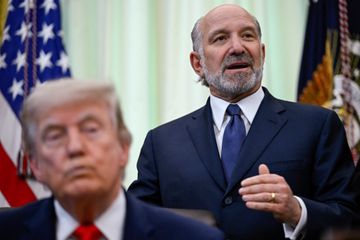
Intel Board Approved Government’s 10% Stake After Trump Pressure
Unsealed records in a shareholder lawsuit describe a two-week push by the Trump administration for Intel to transfer 10% of its shares to the government. The pressure began after Trump called for CEO Lip-Bu Tan to resign over his business ties to China and culminated in the board approving the deal on August 22, 2025.
At an August 20 call with Intel’s finance chief, Commerce Department lawyer David Shapiro said the president expected to announce an agreement within days and warned the company not to treat the proposal as a negotiation. Intel’s notes say Shapiro acknowledged the board could reject it, but that refusal could bring consequences he could not predict.
The board’s minutes described the proposed terms as unattractive. Intel’s lawyers say the board negotiated improved terms and that the agreement released government grants immediately. Trump later said the government had paid nothing for shares he valued at about $11 billion. Intel exchanged the stake for $8.9 billion in grants it had previously been awarded.
A former Commerce Department official described a shift from goals such as job creation toward whether companies would provide money to the government. The administration also secured payments tied to Nvidia’s sales of chips to China. A separate shareholder case concerning Nvidia was filed in April.
U.S. District Judge Richard G. Andrews scheduled a December 10 hearing on dismissal motions submitted by Intel’s board and the Commerce Department. Intel declined to comment; neither the White House nor the Commerce Department replied to requests for comment.
Trump’s Intel Deal Shows Government Pressure Replacing Public Goals
The Intel case raises a stark question about the Trump administration’s use of public power: whether government support for a major chipmaker became leverage to obtain corporate ownership. Unsealed records describe officials pushing Intel to hand over 10% of its shares after Trump demanded that CEO Lip-Bu Tan resign over his connections to China.
On an August 20 call, Commerce Department lawyer David Shapiro told Intel’s finance chief that the president expected an agreement within days and warned against treating the proposal as a negotiation. Intel’s notes say Shapiro acknowledged the board could refuse, while cautioning that rejection might bring consequences he could not predict. Directors endorsed the agreement two days afterward, despite minutes describing the terms as unattractive.
Intel’s lawyers argue that directors negotiated better terms and gained immediate access to grants. But the agreement traded a 10% stake for $8.9 billion in funding the company had already been awarded. Trump later said the shares were worth about $11 billion and that the government had paid nothing for them.
A former Commerce Department official said the administration’s focus had moved away from measures such as job creation toward whether firms would deliver cash to the government. Payments were also attached to Nvidia’s China chip sales. A judge will hear motions to dismiss the Intel case on December 10, 2026.
Intel’s Board Approved a Deal That Freed Up Billions in Grants
The Intel dispute should be judged by what the board secured, not only by the pressure described in a shareholder’s lawsuit. Intel’s lawyers say directors bargained for better terms, and the agreement made $8.9 billion in previously awarded government grants available immediately.
The records also show that administration officials made clear they expected a deal. On August 20, Commerce Department lawyer David Shapiro told Intel’s finance chief the president anticipated announcing an agreement within days. He said rejection was possible, while warning it could have consequences he could not predict. The board approved the 10% stake two days later, after its minutes had described the proposed terms as unattractive.
Trump had focused attention on CEO Lip-Bu Tan’s China ties, and he later said the government had received shares worth about $11 billion without paying for them. The shareholder lawsuit calls the process coercive. Intel’s legal position, however, is that the board negotiated and the deal delivered an immediate financial benefit.
A former Commerce Department official characterized the administration’s approach as seeking cash returns from companies. The administration also obtained payments connected to Nvidia’s chip sales to China, and a separate shareholder case involving Nvidia was filed. U.S. District Judge Richard G. Andrews will hear motions to dismiss the Intel case on December 10, 2026.
Reported by Wired, Raw Story, The Daily Beast.