El-Sayed Looks to Mamdani’s Example in Working With Trump
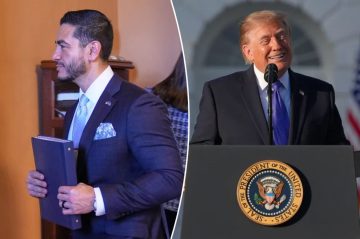
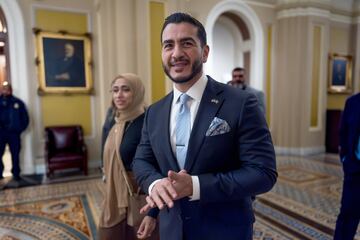
Michigan Sen.-elect Abdul El-Sayed says he wants to work with President Donald Trump on health care, despite their past political clashes. He is looking to New York City Mayor Zohran Mamdani’s example of maintaining a working relationship with Trump while disagreeing with him on major issues.
Trump recently praised El-Sayed as a “smart guy” and said they might find common ground. El-Sayed welcomed the prospect of a conversation, saying he cares about getting people health coverage rather than whose name is attached to a plan. He said coverage should be guaranteed, with no option to opt out.
El-Sayed’s initial health care priorities include restoring expanded Affordable Care Act subsidies, lowering Medicare eligibility from 65 to 55, ending Medicaid work requirements and extending Medicaid coverage to all children. His broader goal is Medicare for All, which Trump has characterized as a maximalist proposal.
The two have traded sharp words before. Trump previously called El-Sayed a “jihadist” and made comments about requiring him to pass through a metal detector. El-Sayed criticized Trump during his campaign, including challenging him to take a lie detector test. Since winning his Senate race, El-Sayed has emphasized a willingness to cooperate with the president.
A political science professor said Democrats could secure policy gains by engaging with Trump, but warned that cooperation could alienate party voters who oppose him. Democrats also face a choice between prioritizing policy work and devoting more time to oversight. El-Sayed has said he will work with anyone to advance his goals, including reducing money’s influence in politics and expanding health coverage.
El-Sayed’s Trump Outreach Could Advance Health Care Gains
A working relationship with President Donald Trump could help Michigan Sen.-elect Abdul El-Sayed pursue health care coverage for more people. El-Sayed says he is willing to meet Trump where possible, following New York City Mayor Zohran Mamdani’s example of engaging the president despite deep policy disagreements.
El-Sayed’s agenda includes restoring expanded Affordable Care Act subsidies, lowering Medicare eligibility to 55, ending Medicaid work requirements and covering all children through Medicaid. His larger aim is Medicare for All. He says the priority is making coverage available to everyone, not attaching a particular politician’s name to the effort.
Trump has recently praised El-Sayed and said they could find a middle ground. That is a striking shift after Trump called him a “jihadist” and made a remark about requiring him to pass through a metal detector. El-Sayed, too, has sharply criticized Trump, but says the president’s position means Democrats must engage if they want to deliver.
The stakes are practical: a political science professor said cordial ties with the White House could yield policy gains, including incremental movement on issues such as immigration. Democrats can pursue oversight as well, but spending their time on confrontation could crowd out legislative priorities. Cooperation carries political risks among voters who detest Trump, yet refusing to engage could leave achievable goals on the table.
El-Sayed Courts Trump to Push Expansive Health Care Agenda
Michigan Sen.-elect Abdul El-Sayed is seeking a working relationship with President Donald Trump to advance an ambitious health care agenda, including Medicare for All. El-Sayed’s willingness to cooperate may open a path to negotiations, but his proposed changes would substantially expand federal health programs.
His initial priorities include restoring enhanced Affordable Care Act subsidies, lowering the Medicare age from 65 to 55, ending Medicaid work requirements and extending Medicaid to all children. Trump has described the Democrats’ health care list as maximalist, while praising El-Sayed and suggesting they might find a middle ground.
El-Sayed says he is less concerned with whose name is on a health care plan than with whether people receive coverage. He has also said he will work with anyone to pursue his goals. That approach echoes New York City Mayor Zohran Mamdani, who has built a cordial relationship with Trump despite serious political differences.
The choice for Democrats is not simply whether to oppose Trump or cooperate: a political science professor said they can conduct oversight while pursuing policy, but that the balance takes time. Working with the White House could produce incremental results, while cooperation may alienate Democratic voters who want Trump opposed. El-Sayed’s strategy puts negotiation first as he seeks support for a sweeping federal role in health care.
Reported by New York Post, Newsweek.