Spain Train Crash Sparks Protests and Election Pressure
Spain began three days of mourning after two high-speed trains collided in Toledo province on October 28, killing at least 69 people and injuring dozens. More than 550 passengers were aboard the trains, and some injured people remained in critical condition as emergency crews searched the wreckage. Several Americans were hurt, the U.S. State Department said, without giving further details.
Transport Minister Óscar Puente said a computer malfunction stopped trains on the line, after which central control allowed a RENFE train to resume without speed restrictions. It struck a stationary IRYO train, he said. Unions called for a full investigation, warning against blaming one worker while overlooking possible problems with staffing, workloads, organization and equipment. Train drivers also held a nationwide strike on Thursday, calling for stronger safety measures.
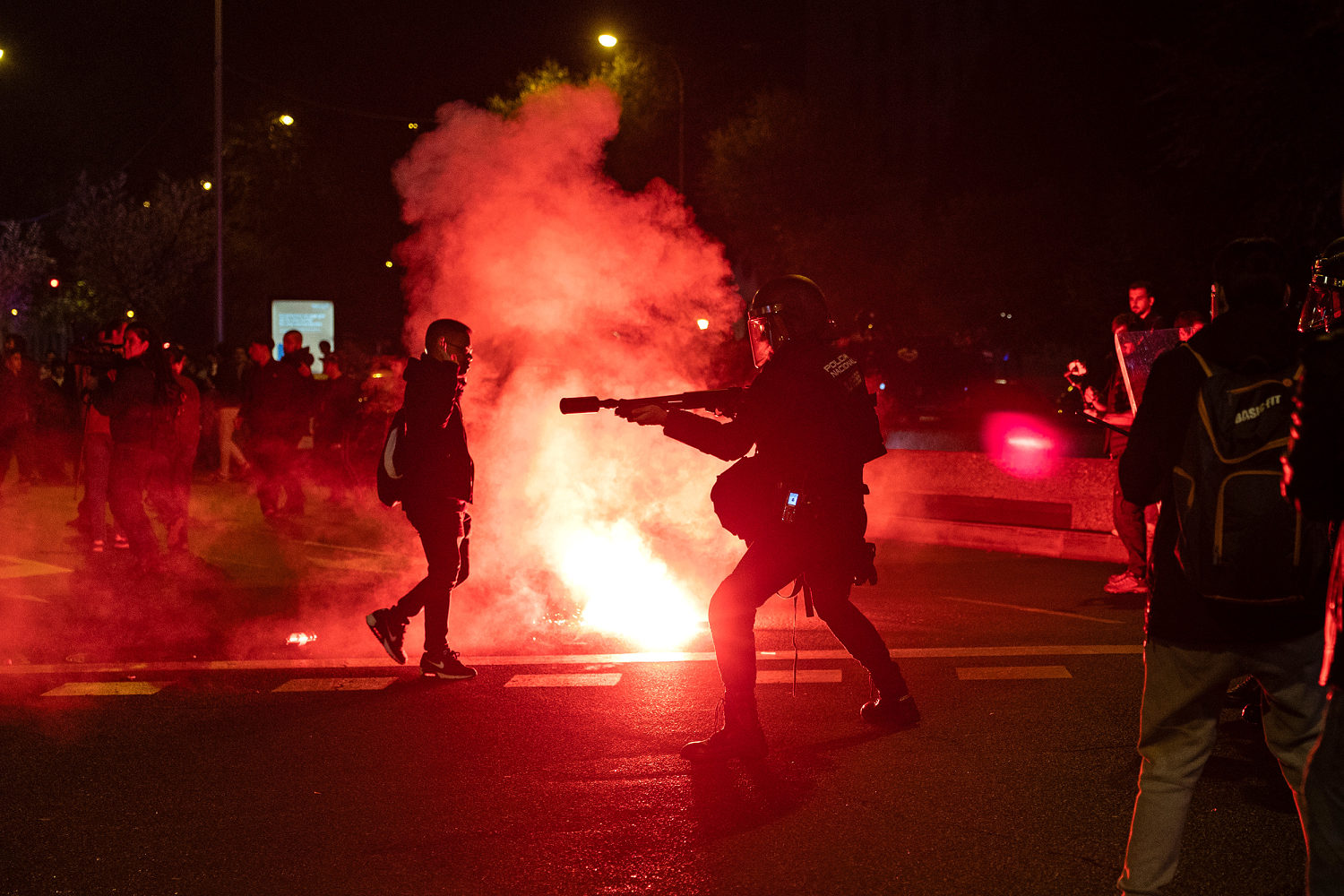
The crash prompted protests outside the transport ministry in Madrid on Wednesday night, with demonstrators demanding Puente’s resignation and some calling for a change in government. Police used tear gas and batons to break up the protest after some demonstrators tried to march toward the building.
The disaster has intensified questions about railway maintenance and investment, and adds pressure on Prime Minister Pedro Sánchez’s government before the November 29 election. Sánchez pledged to investigate the causes and strengthen rail safety. Unions have urged authorities to replace outdated systems and examine staffing concerns. The line’s safety system is being upgraded, but the project has been delayed.
Rail Safety Failures Demand Accountability, Not Scapegoats
At least 69 people are dead after two high-speed trains collided in Toledo province on October 28. The tragedy has exposed the urgent need for a thorough inquiry into the systems and decisions behind the crash—not a rush to pin responsibility on one worker.
Transport Minister Óscar Puente said a computer failure stopped trains on the line before central control allowed a RENFE train to proceed without speed restrictions. Unions have challenged any effort to narrow the inquiry, calling for scrutiny of staffing, workloads, organization and equipment. A civil servants’ union also urged respect for the inquiry and the legal presumption that the ADIF traffic controller is innocent.
Train drivers held a nationwide strike on Thursday to demand stronger safety measures. Unions have warned about outdated equipment and staffing pressures, while the safety-system upgrade on the line has been delayed. Those concerns deserve answers as emergency crews continue to search the wreckage and families mourn.
Protests in Madrid called for Puente’s resignation and a change in government; police used tear gas and batons to disperse demonstrators. Sánchez has pledged an investigation and stronger rail safety. With an election set for November 29, the government must show that its promises address the broader safety concerns raised by rail workers—not simply offer reassurance after another deadly collision.
Deadly Rail Crash Raises Questions About Socialist Government
A deadly collision that killed at least 69 people has put Spain’s railway management under scrutiny just weeks before voters go to the polls. The October 28 crash in Toledo province was another major rail disaster in a year that has already seen a deadly collision in January.
Transport Minister Óscar Puente said a computer malfunction stopped trains on the line, then central control allowed a RENFE train to restart without speed restrictions. The train struck a stationary IRYO train. Unions have called for a full investigation and raised concerns about equipment, staffing and workloads. The safety system on the line is being upgraded, but the project has been delayed.
Protesters gathered outside the transport ministry in Madrid, demanding Puente’s resignation and, in some cases, a change in government. Police used tear gas and batons to end the demonstration. The public deserves clear answers about the decisions and infrastructure behind the crash, not just promises that safety will improve.
Sánchez has pledged an investigation and stronger rail protections. But the collision has added to pressure on his government, which already faces criticism over housing and other issues before the November 29 election. The unions’ concerns about outdated systems and staffing make the inquiry’s scope especially important: responsibility must be examined across the rail system, not reduced to a single explanation.
Reported by NBC News, Breitbart, CNN.





