Wisconsin Measles Outbreak Claims Third Life
On November 24, Wisconsin health officials announced that an adult in Lafayette County had died of measles, the third death connected to the state’s ongoing outbreak. The first two victims were children. Officials said they would release no further details about the adult, citing the family’s privacy.
The state has recorded 918 outbreak cases and 19 hospitalizations across 24 counties since August, including 88 new cases since Friday. Its total for 2026 is 920 cases and 20 hospitalizations. Health officials say 99.2% of people with reported cases were unvaccinated or had an unknown vaccination status.
The outbreak, first concentrated in southwestern Wisconsin, has spread to counties in the central and northern parts of the state. Dr. James Conway, a doctor specializing in infections in children, said new clusters were appearing in counties beyond the Plain community. State officials also said 14 pregnant women had tested positive and one congenital measles case had been reported.
Wisconsin is seeking another round of assistance from the federal public health agency. The state epidemiologist said additional staff will help with case investigations, public communication and data management. The CDC previously sent a team in mid-August.
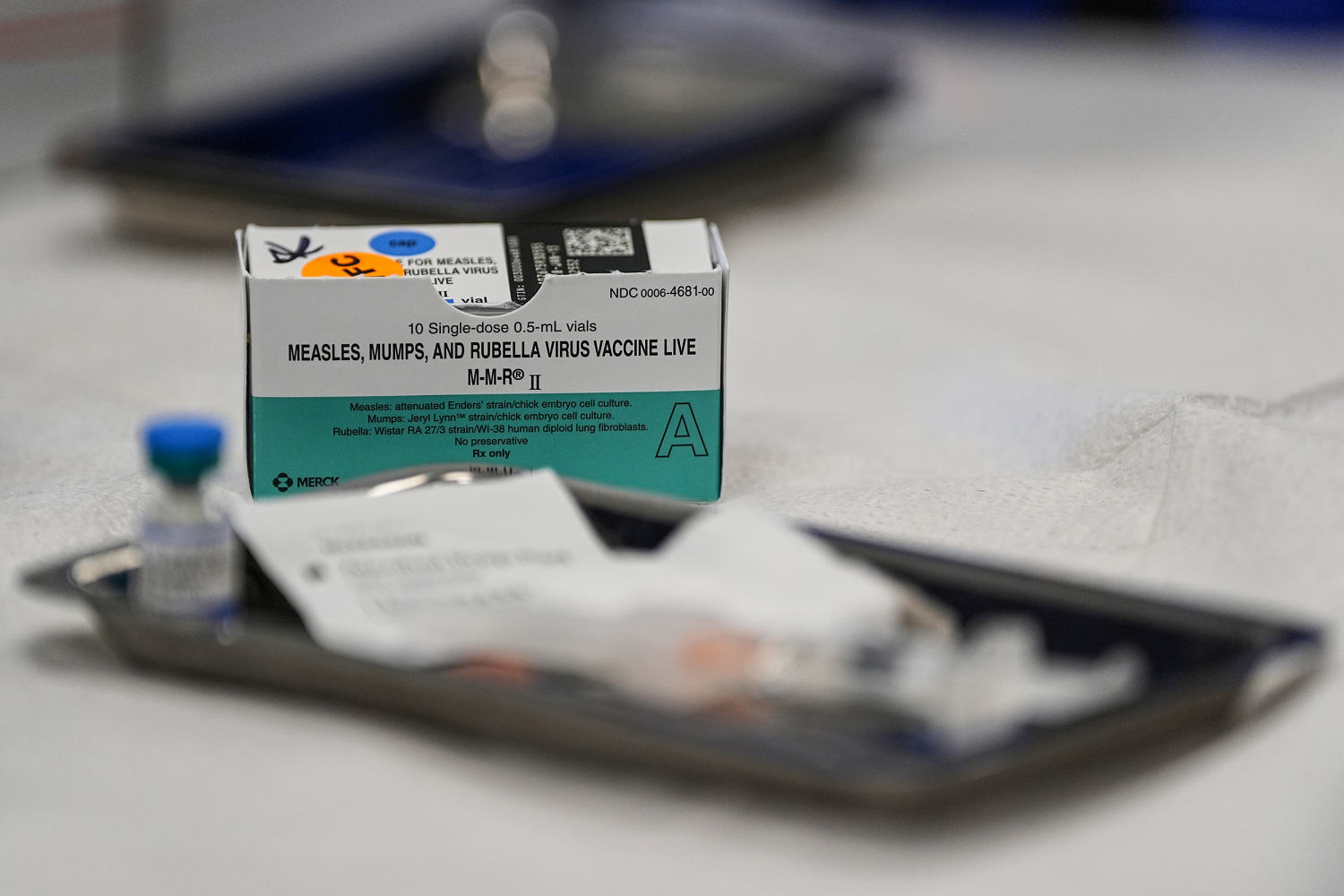
The state has distributed nearly 3,000 vaccine doses to local jurisdictions responding to cases and 13,660 doses to clinics in the federal children’s vaccine program. Since August, Wisconsin residents have received more than 55,000 doses. Officials plan to resume regular case updates on December 1 after a pause on Friday.
Measles Deaths Show the Cost of Wisconsin’s Vaccination Gap
Wisconsin’s measles outbreak has now killed three people, including two children, and is spreading across the state. The latest victim, an adult in Lafayette County, died as officials counted 918 outbreak cases in 24 counties since August. The scale of the outbreak makes the vaccination gap impossible to dismiss: 99.2% of reported cases were among people who were unvaccinated or whose status was unknown.
The outbreak has moved beyond its initial concentration in southwestern Wisconsin, with cases appearing in central and northern counties. Dr. James Conway said clusters were emerging outside the Plain community. Officials also reported 14 infections among pregnant women and one congenital measles case.
The state is asking the CDC for additional staff to investigate cases, communicate with the public and manage data. That support comes months after an earlier CDC deployment, as state officials say the outbreak is growing rather than shrinking. Wisconsin has distributed vaccine doses and more than 55,000 doses have been administered to residents since August, but the toll continues to rise.
A response that waits for a widening outbreak to become undeniable leaves families and communities exposed. With 20 people hospitalized statewide this year and another death announced on November 24, prevention and clear public communication are urgent public-health responsibilities.
Wisconsin’s Measles Response Must Reach Beyond Its Initial Focus
Wisconsin’s measles outbreak has claimed three lives and reached 918 cases since August. The newest death was an adult in Lafayette County; officials have withheld further details to protect the family’s privacy. With cases appearing in central and northern counties, the state’s response must keep pace with an outbreak that has moved beyond its original southwestern focus.
Officials say 99.2% of cases involved individuals who had not received a vaccine or whose immunization status was unknown. That figure matters, but it does not by itself explain why cases are appearing in new places or how best to reach affected communities. Dr. James Conway described clusters outside the Plain community, while the state reported 14 infections among pregnant women and one congenital case.
Wisconsin is requesting another CDC team to assist with investigations, public communication and data management. State officials say they sought help after it became clear the outbreak was expanding rather than receding. The state has also distributed vaccine doses, and more than 55,000 have been administered to residents since August.
The outbreak now includes 20 hospitalizations in Wisconsin this year. Officials must provide timely, practical information as the disease spreads, while respecting families’ privacy and recognizing that a response designed around one community may not be enough for an outbreak reaching 24 counties.
Reported by CBS Chicago, NBC News.