U.S. Loses Measles-Free Status as California Reports 60 Cases
International health officials this month removed the U.S. measles elimination designation, which it had held since 2000. The decision followed more than a year of continuous virus circulation. More than 5,400 cases and 10 deaths have been reported nationwide in 2026; since 2025, outbreaks in several states have affected more than 8,000 people and caused over a dozen deaths, according to figures cited by health officials and experts.
California has recorded 60 cases this year, compared with 25 last year and 15 the year before. Its largest outbreak, across Sacramento and Placer counties, infected 21 people. Health officials said the virus spread in communities where fewer than half of residents were vaccinated, despite vaccination rates above 98% among Placer County prekindergarten children. All identified cases were in unvaccinated people or those whose vaccination status was unknown.
Sacramento County’s health officer, Dr. Phuong Luu, said 450 people there were exposed during the outbreak. Staff from seven divisions were temporarily reassigned to contact and monitor them. California’s Public Health Officer, Dr. Erica Pan, noted that the state’s high vaccination rates helped prevent larger outbreaks, including after a person with measles traveled from Los Angeles to the Bay Area in September without causing additional cases.
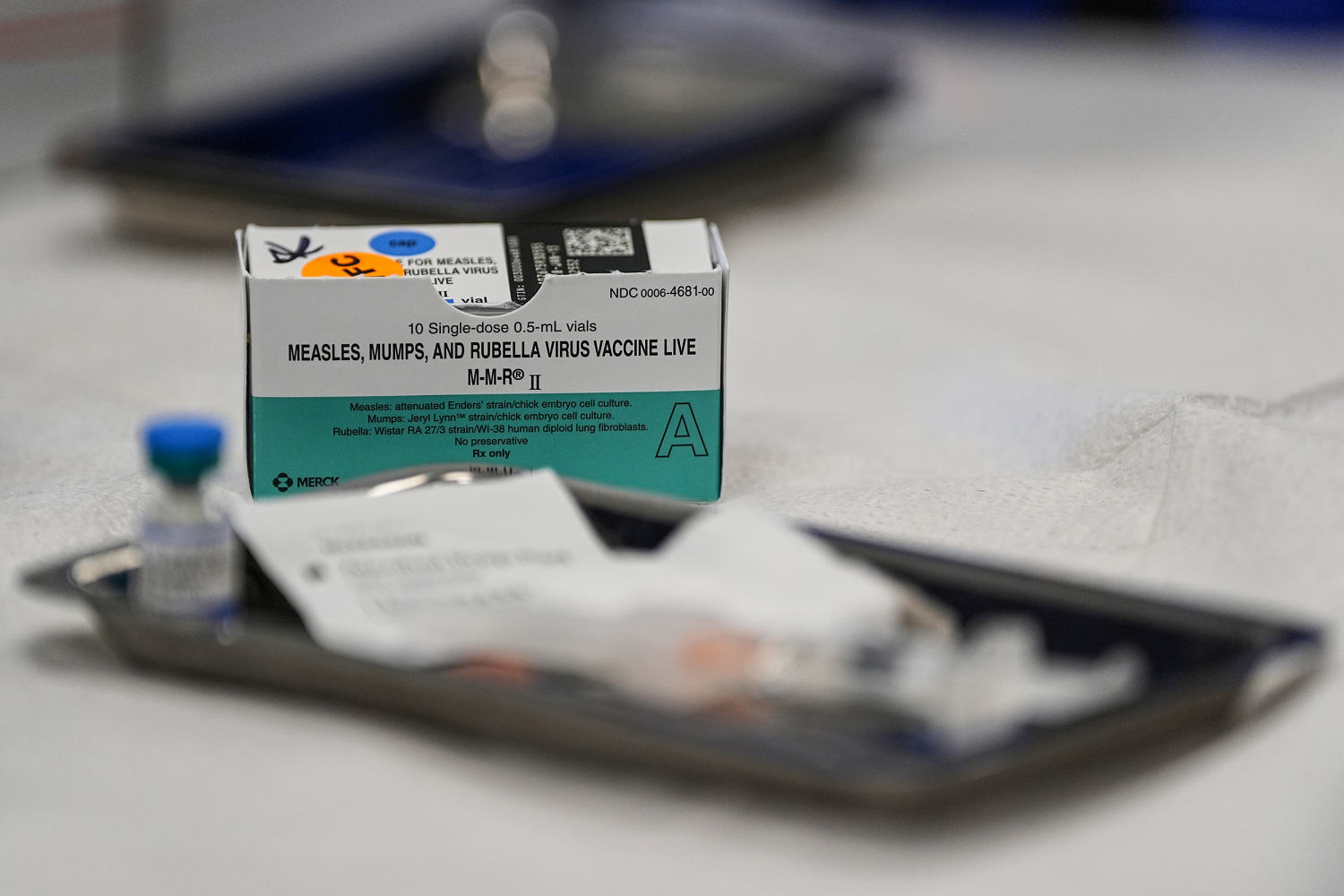
Nearly 96% of California children entering kindergarten received measles, mumps and rubella vaccinations as the 2025-26 school year began, above the 95% level considered necessary to prevent unchecked spread. Doctors recommend two MMR doses; the vaccine is 97% effective against measles. Health officials urge people uncertain about their vaccination status to consult a doctor.
Health experts have linked the national resurgence to declining vaccination rates. Health Secretary Robert F. Kennedy Jr. blamed “Covid-era disruptions” to routine childhood vaccination and said he would work to restore elimination status. Critics have faulted his vaccine positions, while officials warn that cases could continue rising in the coming months.
Vaccine Skepticism Has Cost the U.S. Its Measles-Free Status
The return of measles is a preventable public-health failure. The U.S. lost its elimination status this month after the virus circulated continuously for more than a year, with more than 5,400 cases and 10 deaths reported in 2026. Experts have linked the resurgence to falling vaccination rates, and about 96% of known cases this year involved people who were unvaccinated or whose status was unknown.
California has confirmed 60 cases this year, more than in the previous two years combined. In the state’s largest outbreak, 21 people were infected across Sacramento and Placer counties. Officials estimated that fewer than half of people in the affected communities were vaccinated, even though more than 98% of Placer County prekindergarten children had received their shots. The contrast shows why strong statewide coverage cannot make low-vaccination pockets safe.
Health Secretary Robert F. Kennedy Jr. blamed “Covid-era disruptions” to routine childhood vaccination and pledged to restore the country’s status. But critics say his vaccine positions have helped undermine confidence in immunization. That political defense does not change the stakes: children are getting sick from a disease for which a highly effective vaccine is available.
California officials say high vaccination rates helped prevent larger outbreaks, and nearly 96% of incoming kindergartners were vaccinated against measles, mumps and rubella in 2025-26. Doctors recommend two MMR doses. Public health authorities urge people unsure of their status to check with a doctor, as officials brace for further spread.
California’s High Vaccination Rates Help Contain Measles Outbreaks
California’s experience shows the value of protection that reaches most of the community: California has tallied 60 measles infections so far this year, but public health officials say high vaccination rates helped prevent larger outbreaks. Nearly 96% of incoming kindergartners received the MMR vaccine at the start of the 2025-26 school year, above the 95% target for preventing unchecked spread.
The U.S. nevertheless lost measles elimination status this month after more than a year of continuous transmission. More than 5,400 cases and 10 deaths have been reported nationwide in 2026. In California, the largest outbreak infected 21 people in Sacramento and Placer counties. Officials estimated that fewer than half of people in the affected communities were vaccinated, and every case involved someone unvaccinated or with unknown vaccination status.
The lesson is practical: high overall coverage can limit harm, but it cannot erase the danger in communities where vaccination is low. Sacramento County tracked 450 people exposed during the outbreak, temporarily shifting staff from seven divisions to contact and monitor them. A measles case that traveled from Los Angeles to the Bay Area in September caused no additional infections, which state officials credited to strong vaccination rates.
Health Secretary Robert F. Kennedy Jr. blamed “Covid-era disruptions” to routine childhood vaccination and pledged to restore elimination status. Critics have turned the outbreak into a case against Kennedy, but the immediate challenge is getting people protected. Doctors recommend two MMR doses, and officials urge anyone unsure of their vaccination status to consult a doctor.
Reported by CalMatters, The Week, The Daily Wire, Los Angeles Times, Ars Technica.