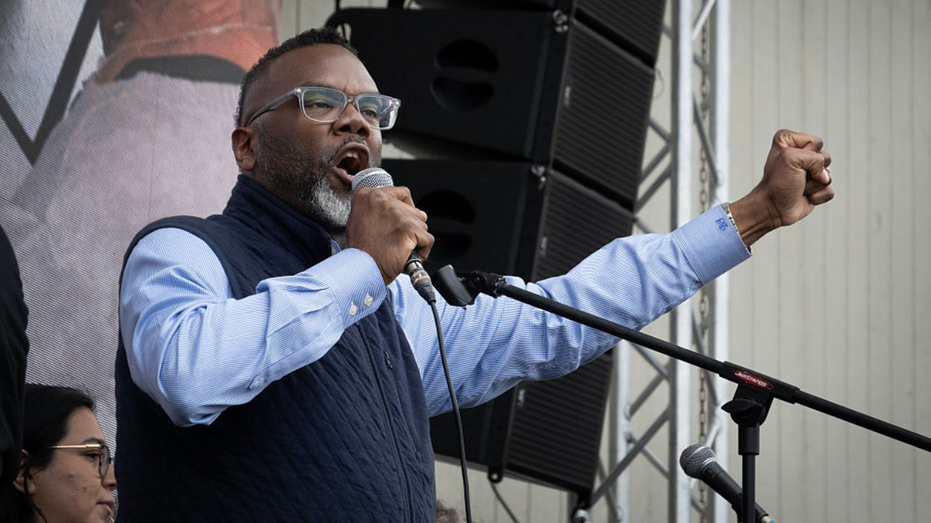
Johnson Adds Vacant-Land Tax to Chicago Budget Proposal
On November 24, Chicago Mayor Brandon Johnson put forward a $1,000 annual tax on privately owned vacant land as part of a revised plan to find $75 million for the city’s 2027 budget. The tax would begin in July, with exemptions for side lots and owners pursuing development; the administration estimates it would bring in $12 million next year.
The mayor’s other proposed revenue measures include transferring $11.5 million from an underused investment fund, modernizing procurement procedures to generate more than $13 million, and strengthening collection of city debts to raise an estimated $12 million. The plan also calls for higher fees to register vacant buildings and storefronts, expected to yield $1.2 million.
Johnson had initially planned to use a $75 million payment connected to the sale of Chicago’s parking-meter ownership for an extra pension contribution. City Council members instead directed that the money go toward a separate pension payment. The revised plan does not remove Johnson’s proposed corporate head tax, a $25 monthly charge on companies with more than 125 employees, or his plan to raise the city’s lease transaction tax. A majority of alderpeople oppose both proposals.
Council members in the Budget Accountability Coalition say the head tax would threaten jobs and that the mayor should reduce recurring costs rather than rely on new taxes. Johnson argues corporations should contribute more to city services and says cuts could harm programs residents rely on. He and the council must negotiate a budget by December 31; Johnson says failing to reach agreement could put city services, libraries and housing programs at risk.
Johnson Seeks Corporate Contributions as Council Resists Budget Plan
On November 24, Chicago Mayor Brandon Johnson added a proposed $1,000 annual tax on privately owned vacant land to his plan for closing a $75 million gap in the 2027 budget. The administration says the measure could raise $12 million next year and encourage unused land to return to active use, with exemptions for side lots and owners pursuing development.
Johnson’s plan also seeks money through stronger collection of debts owed to the city, procurement changes and a transfer from an underused investment fund. He has kept his proposed $25 monthly head tax on companies with more than 125 employees, arguing corporations should contribute more to services residents rely on. The plan also retains a proposed increase to the city’s lease transaction tax.
A majority of alderpeople oppose the head tax and lease-tax increase. Council opponents say businesses and working families should not be made to shoulder the city’s deficit and argue the mayor should reduce recurring government costs. Their resistance leaves the proposals central to the budget fight, even as Johnson offers other ways to raise revenue.
Johnson says the city must reach agreement by December 31 and warns that cuts could threaten services, libraries and housing programs. The council and mayor still have to negotiate a plan that can pass before the deadline; the mayor says no options should be ruled out.
Council Warns Johnson’s Head Tax Could Hurt Chicago Jobs
On November 24, Chicago Mayor Brandon Johnson proposed a $1,000 annual tax on privately owned vacant land to help address a $75 million gap in the city’s 2027 budget. The measure is projected to raise $12 million, but it does not resolve the central dispute: Johnson has kept his proposed corporate head tax despite a majority of alderpeople opposing it.
The charge would be $25 a month for companies with more than 125 employees. Johnson says the charge applies to roughly 2.8% of Chicago firms, with a hiring incentive for employers recruiting from historically disinvested communities. Council opponents argue the levy could reach a much broader share of workers and discourage employers from hiring in the city. One alderman cited a University of Chicago report that raised concerns about effects on mid-sized businesses.
The mayor’s revised plan also includes higher vacant-property fees, stronger collection of unpaid city revenue, procurement changes and a transfer from an underused investment fund. But opponents say those measures do not make the head tax acceptable. They have called on Johnson to reduce recurring government costs and direct a $75 million payment tied to the parking-meter transaction toward pension payments.
Johnson argues corporations should contribute more to city services and says cuts could put libraries, housing programs and other services at risk. The budget must be agreed by December 31, but opponents say the head tax does not have enough votes to pass. The mayor and council face further negotiations over a plan that can both close the gap and win approval.
Reported by Block Club Chicago, Chicago Sun-Times, CBS Chicago.