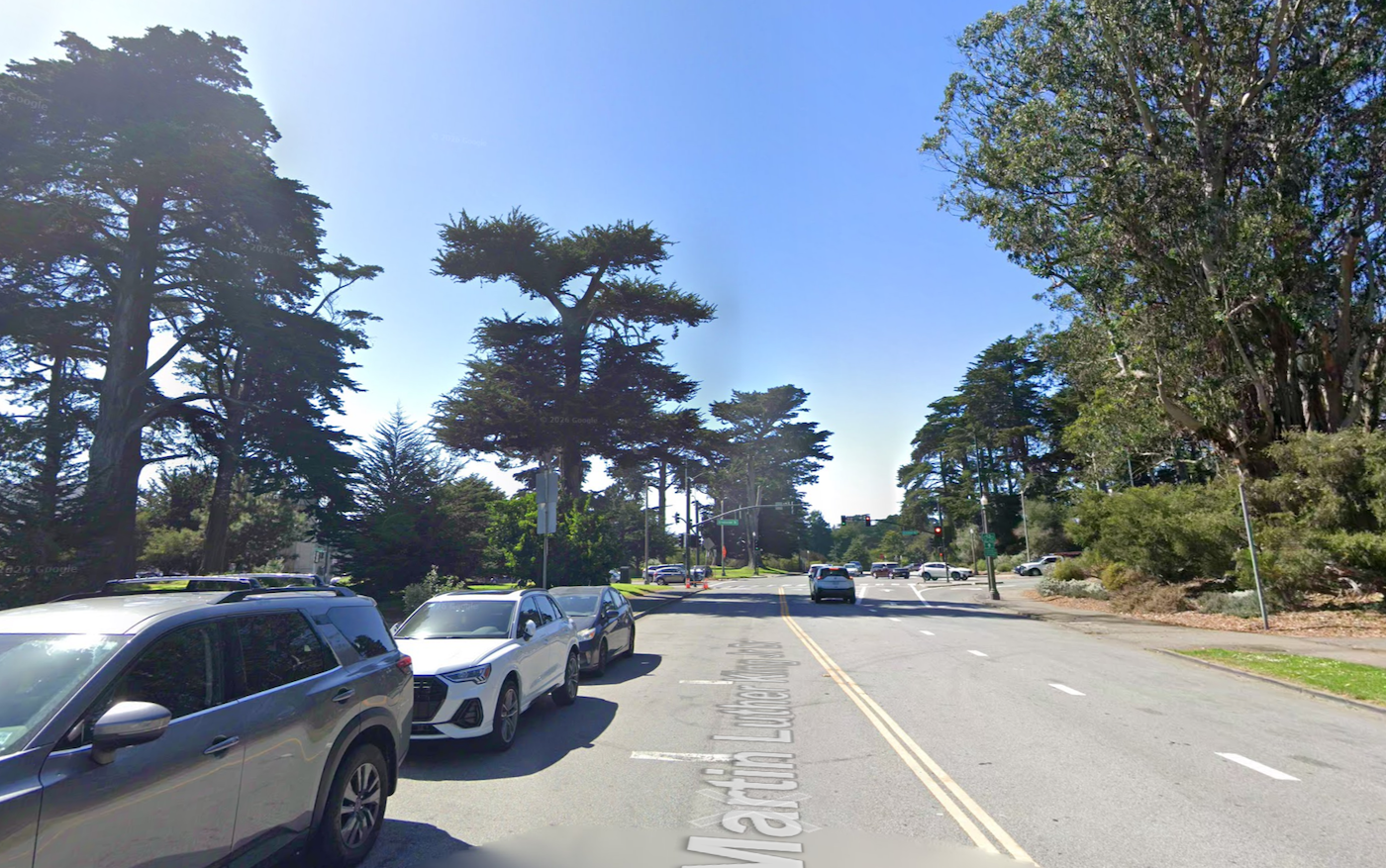
Boston Council Votes to End Parking Minimums for New Housing
Boston’s City Council voted 9-4 on November 18 to scrap the required floor for off-street parking at new residential developments. Supporters said the change could reduce barriers to building housing and help address affordability; opponents warned it could overlook differences among neighborhoods and increase pressure on street parking.
The measure’s lead sponsor, Councilor Sharon Durkan, argued that required parking adds cost, time and risk to construction, even when residents do not need all the spaces. A study cited during the debate put the cost of building an above-ground garage space in Boston at $34,000 to $59,000, and an underground space at $106,000 to $152,000.
The change would take effect later in East Boston, Charlestown and Mattapan, where the phase-in is delayed until the start of 2029. Amendments seeking additional district-specific exceptions did not pass. Councilor Julia Mejia’s motion to postpone the vote for further examination of neighborhood disparities and accountability also failed.
Councilors Erin Murphy and John FitzGerald opposed the measure. Murphy said parking rules should be considered neighborhood by neighborhood, while FitzGerald raised concerns about street parking and neighborhood character. Mayor Michelle Wu has not publicly endorsed a citywide change; her administration said it would evaluate the implications.
The vote sends the measure to Boston’s zoning commission for approval. The final tally included seven councilors voting yes alongside Durkan, with Mejia changing her initial “present” vote to yes; four councilors voted no.
Boston Moves to Remove a Costly Barrier to New Housing
Boston’s City Council has voted to remove a zoning rule that housing advocates say makes new homes more expensive and harder to build. The 9-4 vote on November 18 eliminates minimum off-street parking requirements for new residential developments, sending the measure to the city’s zoning commission.
Lead sponsor Sharon Durkan argued that parking mandates add expense, delay and risk, while sometimes requiring developers to build spaces residents do not need. A study cited in the debate estimated Boston garage construction at $34,000 to $59,000 per above-ground space and $106,000 to $152,000 per underground space. Those costs matter in a region where about half of renters are cost burdened, a housing report cited by Durkan said.
The change is a significant step toward making it easier to build housing in a city facing affordability pressures. It does not ban parking: developers would be able to decide how much to provide based on demand. East Boston, Charlestown and Mattapan would receive a delayed phase-in until the beginning of 2029.
Opponents argued for keeping neighborhood-by-neighborhood parking rules, citing street parking and local character. But additional district carve-outs failed, as did a motion to delay the vote for more review. Mayor Michelle Wu has not publicly backed the citywide change, and her administration said it would assess its implications.
The zoning commission must approve the measure for it to proceed. The council’s vote puts the focus on whether outdated parking mandates should continue adding costs to new housing.
Boston Council Overrides Neighborhood Concerns on Parking Rules
Boston’s City Council has approved a sweeping change to parking rules for new housing, overriding warnings that a single citywide policy may not fit every neighborhood. The 9-4 vote on November 18 eliminates minimum off-street parking requirements, though the measure still needs zoning commission approval.
Councilors Erin Murphy and John FitzGerald opposed the measure. Murphy called for parking requirements to be weighed case by case and said residents should help determine what works in their communities. FitzGerald warned that residents could be pushed farther from their homes to find street parking, raising concerns about neighborhood character and quality of life.
Supporters, led by sponsor Sharon Durkan, argue that required parking adds cost, time and risk to housing construction. The measure does not eliminate parking itself; it gives developers flexibility to decide how much to build. But that flexibility shifts decisions away from a citywide minimum, prompting questions about how local needs will be addressed.
East Boston, Charlestown and Mattapan have a delayed phase-in until the start of 2029. Other amendments seeking district-specific exceptions failed, as did a motion to postpone the vote for further study of neighborhood disparities and accountability. Mayor Michelle Wu has yet to voice public support for the citywide change; her administration said it would evaluate the implications.
The vote now goes to the zoning commission. The commission’s review will determine whether the council’s broad change to Boston’s development rules moves forward.
Reported by Boston.com, CBS Boston.