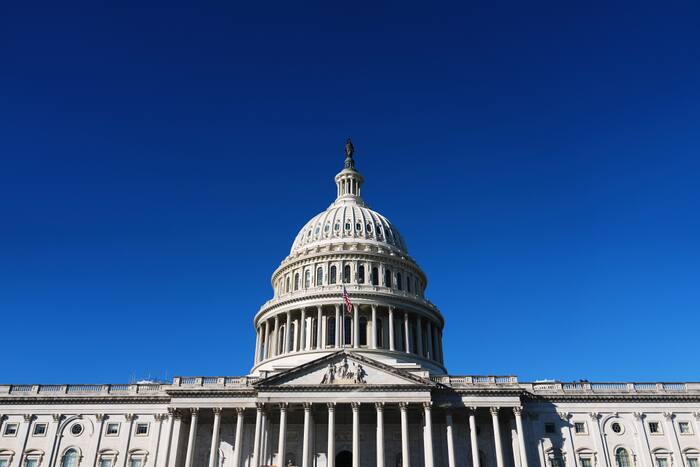
Democrats Secure Their Largest House Majority Since 1990
On November 24, 2026, Democrats secured at least 259 seats in the 435-member House, their strongest election result since 1990. The final seat needed for that milestone came as Victoria Broderick beat GOP Rep. Scott DesJarlais in Tennessee’s 4th District. Three contests remain unsettled: Minnesota’s 1st District is headed to a recount, and two Louisiana districts will go to December runoffs. Republicans have at least 173 seats.
Democrats gained 45 seats from their Election Day starting point, exceeding their 40-seat gain in 2018. Their total surpasses the party’s results in the elections of 1992 and 2008. Democrats will also control the Senate, with 56 seats, while Republican Donald Trump remains president, setting up divided government when the new Congress begins in January.
Party leaders say their opening agenda will include votes on living costs and health care, including efforts to reverse Medicaid cuts and restore expired Affordable Care Act tax credits. They also plan investigations of the administration, including its finances and immigration work. House Democratic leader Hakeem Jeffries has not ruled out another effort to impeach Trump. The White House has warned that some planned inquiries could amount to criminality.
The large majority gives incoming leaders more room to pass legislation despite defections within their caucus. Jeffries is positioned to become speaker if elected by House members on January 3, 2027. Republicans chose Rep. Jim Jordan as their minority leader; he said the party would continue fighting for American families. The Senate Democrats are scheduled to choose their leader on December 1.
Voters Give Democrats a Broad Mandate to Govern and Hold Trump Accountable
On November 24, 2026, Democrats secured at least 259 House seats, the party’s largest election result since 1990. Broderick’s victory over Republican Scott DesJarlais in Tennessee delivered the milestone, while three races remain unresolved. Democrats gained 45 seats and will enter a divided government with control of both chambers of Congress and a Republican president in the White House.
The election result gives Democrats a powerful opportunity—and an obligation—to address the concerns leaders say drove voters to reject Republican rule. Their proposed early agenda includes votes to reverse Medicaid cuts and restore Affordable Care Act tax credits that expired, as well as action on the cost of living. Rep. Tom Suozzi has urged Democrats to devote most of their time to affordability and connect oversight to its effects on people’s pocketbooks.
The majority also equips Congress to scrutinize presidential power. Democrats plan investigations into the administration, including Trump’s financial dealings and immigration work; Jeffries has not ruled out another impeachment effort. The White House has warned that some inquiries could amount to criminality, a response Democrats’ plans place against Congress’s oversight role.
With at least 259 seats, Democrats have room to manage differing views within their caucus and still pursue legislation. Jeffries is positioned to become speaker if elected on January 3, 2027. Republicans, reduced to at least 173 seats, chose Jim Jordan as their minority leader. The remaining House races include a Minnesota recount and two Louisiana runoffs in December.
Democratic Landslide Sets Up Costly Showdowns and Trump Investigations
On November 24, 2026, Democrats reached at least 259 House seats, a sweeping result that gives the party control of Congress alongside a Republican president. Broderick’s narrow win over Rep. Scott DesJarlais in Tennessee helped put Democrats over the threshold. Three House races are still unsettled, and Republicans have at least 173 seats.
Democratic leaders plan to begin with votes to reverse Medicaid cuts and restore expired Affordable Care Act tax credits. They also intend to use committee investigations against the Trump administration, including inquiries into Trump’s finances and immigration work. Jeffries has not ruled out another impeachment effort. The White House has warned that some proposed probes could amount to criminality, as the incoming majority prepares to use congressional oversight powers.
The scale of the Democratic victory gives party leaders considerable room to maneuver, even with disagreements inside their caucus. But the party’s plans put health care and investigations at the center of its opening agenda, while Democrats themselves have said they face pressure to deliver on campaign promises. The Senate will also be under Democratic control, with 56 seats, while Trump remains in the White House.
Jeffries is positioned to become House speaker if elected on January 3, 2027. Republicans chose Jim Jordan to lead their minority and say they will fight for American families. The remaining contests—a Minnesota recount and two Louisiana runoffs—will settle the last House seats, but not the basic balance of power.
Reported by KPRC 2 Click2Houston, Breitbart, The Guardian.